Why Choose 304 Stainless Steel Raw Materials for Your Projects?
When it comes to choosing materials for projects, the right choice can make a significant difference. 304 Stainless Steel Raw Materials are often preferred in various industries. Their unique properties contribute to their widespread use in construction, manufacturing, and food processing.
304 Stainless Steel Raw Materials offer excellent corrosion resistance and strength. These qualities ensure that products last longer and require less maintenance. However, not all stainless steel is created equal. It's essential to understand the specific benefits and limitations of 304. While it performs well under many conditions, it may not be suitable for all environments.
Incorporating 304 Stainless Steel Raw Materials into your project can enhance durability and reliability. Yet, it is crucial to evaluate the specific needs of your application. Reflecting on the material choices can lead to better decision-making. The insights gained from this evaluation will ultimately lead to successful project outcomes.
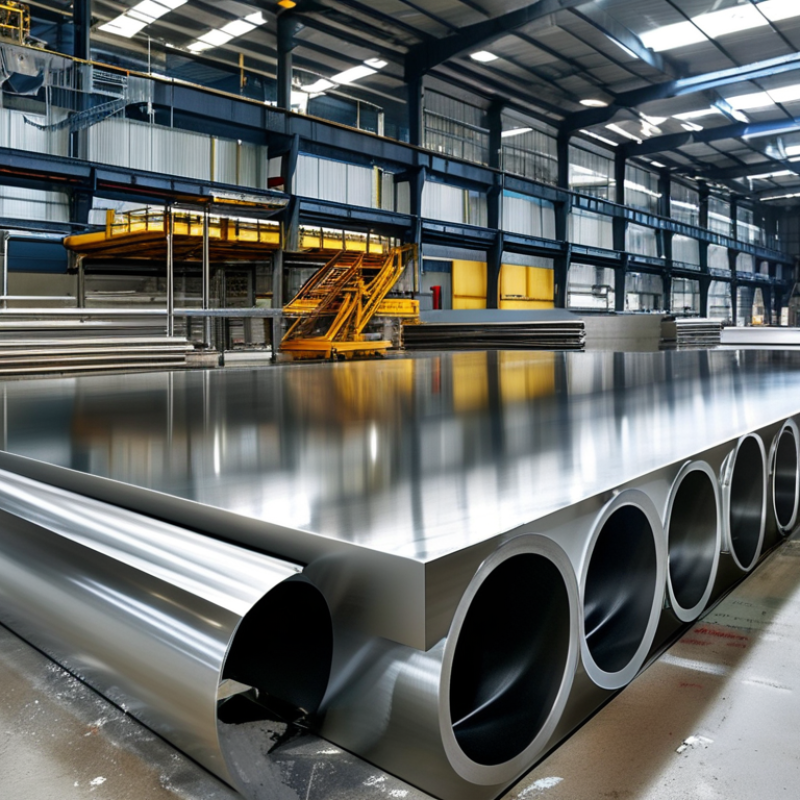
Overview of 304 Stainless Steel Properties and Characteristics
304 stainless steel is widely recognized for its remarkable properties. This type of stainless steel is known for its excellent corrosion resistance. It can withstand various environmental conditions, making it suitable for many applications. The material features a combination of chromium and nickel, contributing to its durability and strength.
One notable characteristic of 304 stainless steel is its formability. This allows for easy shaping and welding during fabrication. Projects requiring intricate designs benefit significantly from this quality. Additionally, 304 stainless steel maintains its integrity across temperature fluctuations. Whether in a hot kitchen or an outdoor setting, this material holds up well.
However, it's essential to consider specific conditions where 304 stainless steel may not excel. For instance, in environments rich in chlorides, such as coastal areas, other steel types may perform better. This limitation should guide decisions on material selection. Understanding the nuances of 304 stainless steel can improve project outcomes, ensuring long-lasting performance and reliability.
Comparison of 304 Stainless Steel with Other Stainless Steel Grades
304 stainless steel is a favored choice in various projects due to its excellent properties. Compared to other grades like 316 or 430, 304 offers a unique balance of strength, corrosion resistance, and formability. According to the Global Stainless Steel Market Report, 304 stainless steel captures about 50% of the global market share, reflecting its high demand.
While 316 stainless steel has superior corrosion resistance, it comes at a higher cost. 430 stainless steel, though less expensive, lacks the same strength and ductility. In applications involving food processing or chemical exposure, 304 demonstrates good resistance to pit corrosion. This makes it ideal for both indoor and outdoor uses.
Consider the type of environment your project will face. Factors like humidity and chemical exposure should influence your choice. If your project will face extreme conditions, don’t overlook 316. However, for most standard applications, 304 yields a blend of quality and affordability unmatched by other grades.
The right material can save time and reduce costs. Choosing the right grade of stainless steel is essential for project longevity. Always weigh durability against budget to make an informed choice.
Comparison of 304 Stainless Steel with Other Stainless Steel Grades
Applications of 304 Stainless Steel in Various Industries
304 stainless steel is a versatile material, widely used in many industries. Its high resistance to corrosion makes it ideal for food processing, where hygiene is crucial. In kitchens and food factories, you'll find 304 steel in equipment like sinks and work surfaces. It ensures safety and durability every day.
In the construction sector, 304 stainless steel is appreciated for its aesthetic appeal and strength. Builders utilize it for railings, staircases, and exterior cladding. Its ability to withstand harsh weather and maintain appearance over time is impressive. However, the cost and weight can be limiting factors in some applications.
The automotive industry also employs 304 stainless steel in various components. From exhaust systems to trim pieces, it ensures longevity and reliability. Still, engineers must consider alternatives, as other materials may offer better performance in specific areas. This reflects the ongoing need for innovation and adaptation in material selection.
Benefits of Using 304 Stainless Steel in Manufacturing Projects
304 stainless steel is a popular choice in manufacturing projects due to its impressive properties. It is highly resistant to corrosion, making it ideal for various environments. This stainless steel can endure high temperatures and is durable, ensuring long-lasting performance. Furthermore, it offers excellent weldability, which is essential for complex designs. Using 304 stainless steel can significantly reduce maintenance costs over time.
When considering materials, weigh the longevity of the product. Opting for 304 stainless steel may initially seem more expensive than alternatives. However, the long-term benefits can outweigh the upfront costs. Its durability often means less frequent replacements or repairs. This can save both time and money in the long run.
Be mindful of the specific requirements of your project. Some applications may benefit more from other materials. Understanding the environmental factors and stressors can lead to a more informed decision. Relying solely on one material isn’t always wise. Adapting to project needs can enhance overall performance and safety.
Considerations for Selecting 304 Stainless Steel for Your Project Needs
When selecting raw materials for your projects, 304 stainless steel stands out for its balance of properties. This grade is renowned for excellent corrosion resistance and is often used for both indoor and outdoor applications. Research indicates that 304 stainless steel contains about 18% chromium and 8% nickel. This combination offers durability, making it suitable for kitchens, food processing, and chemical industries.
A recent industry report noted that projects using 304 stainless steel experience a lower failure rate compared to alternatives. It is essential to consider the environment where the steel will be used. Situations with high humidity or exposure to harsh chemicals may require more specialized grades. However, 304’s versatility can both meet demands and highlight its limitations in specific scenarios.
Another aspect to reflect on is the long-term cost-effectiveness of 304 stainless steel. While its initial price may seem higher, its longevity reduces overall project maintenance costs. Studies show that materials with lower corrosion rates often result in fewer replacements. Balancing performance and cost while acknowledging the material's limits will lead to a more informed choice.