Why Choose Zinc Ingots for Your Manufacturing Needs?
In modern manufacturing, the choice of materials is crucial. Zinc Ingots stand out among various options. They offer numerous advantages. These benefits can greatly impact the production process and overall efficiency.
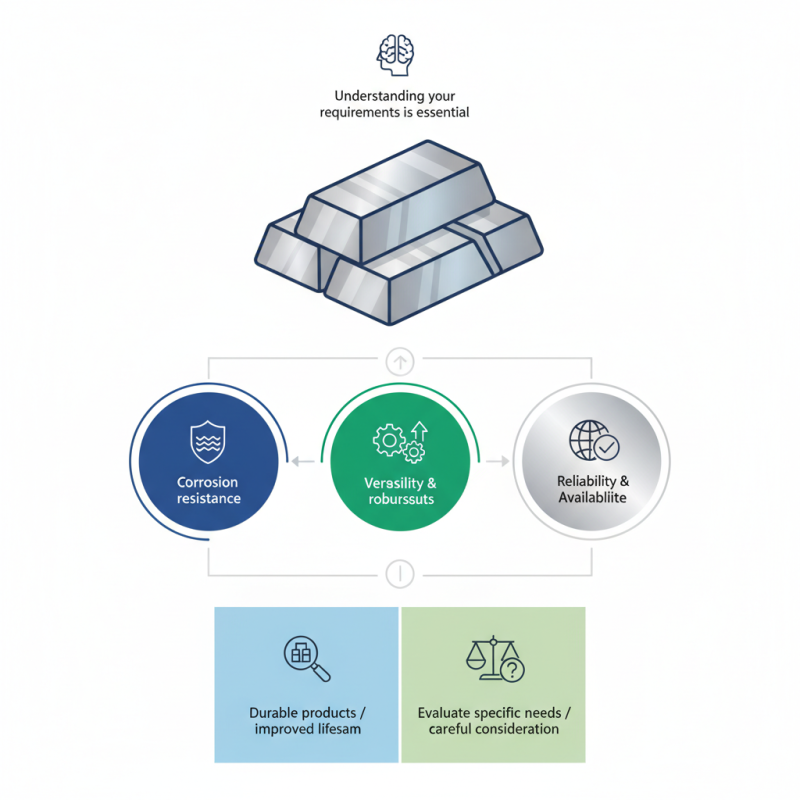
Zinc ingots are versatile and robust. They are known for their excellent corrosion resistance. Many manufacturers use them in creating durable products. The properties of zinc contribute to improved lifespan and lower maintenance costs. However, not all applications may require zinc ingots. Careful consideration is necessary.
Selecting zinc ingots means tapping into a reliable resource. Their availability across the market enhances accessibility. Nonetheless, companies should evaluate their specific needs. In some cases, choosing another metal may be more appropriate. Thus, understanding your requirements is essential for success.
Characteristics and Properties of Zinc Ingots in Manufacturing
Zinc ingots are crucial in various manufacturing processes due to their versatile properties. They have a low melting point of around 420 degrees Celsius. This makes them easy to melt and cast into different shapes. The material’s excellent corrosion resistance is key for outdoor applications. Data from the International Zinc Association shows that zinc has an average service life of over 50 years when used for coatings.
These ingots also possess notable mechanical properties. Zinc is malleable, allowing it to be shaped without breaking. Furthermore, its ductility enhances its usability in forming processes. According to industry reports, alloys created with zinc often exhibit improved hardness and strength. This attribute makes zinc ideal for producing die-cast components in the automotive industry. However, zinc’s thermal conductivity can be a double-edged sword. It can lead to thermal fatigue in certain applications if not managed carefully.
In the realm of sustainability, zinc recycling is a significant advantage. Approximately 80% of zinc from old products can be recovered. This reduces the carbon footprint associated with zinc production. However, concerns linger regarding impurities in recycled zinc. Manufacturers must remain vigilant about quality assurance measures. Making informed choices in sourcing materials can lead to better long-term outcomes.
Benefits of Using Zinc Ingots Over Other Metals
Zinc ingots offer unique advantages for manufacturers. This metal is known for its excellent corrosion resistance. It withstands harsh conditions, making it ideal for outdoor applications. Unlike aluminum or steel, zinc does not rust. Instead, it develops a protective layer, extending the life of products.
Zinc is also more cost-effective compared to other metals. Its abundance in the earth’s crust makes it readily available. This translates to lower prices for manufacturers. Additionally, zinc is easy to work with. It can be cast, rolled, or extruded with relative ease. This flexibility allows for innovative designs in various products.
However, there are considerations to keep in mind. Zinc is less strong than some metals, which can limit its use in heavy-duty applications. Manufacturers must evaluate their specific needs. Balancing cost and material properties is crucial. Despite these drawbacks, the benefits of zinc ingots make them a compelling choice for many applications.
Applications of Zinc Ingots in Various Industries
Zinc ingots are increasingly popular across various industries due to their unique properties. They are known for their corrosion resistance. This makes zinc a favorable choice in the automotive sector. Car manufacturers often use zinc plating to protect parts from rust.
In construction, zinc ingots serve multiple purposes. They are commonly used for roofing materials and gutters. The durability of zinc ensures longevity in outdoor applications. Furthermore, in electronics, zinc is utilized in batteries. Zinc batteries have a lower environmental impact compared to alternatives.
Despite these advantages, challenges exist. Sourcing quality zinc can sometimes be inconsistent. It is essential to ensure that the ingots meet industry standards. Variations in purity levels can affect the performance of finished products. Users should remain vigilant about their suppliers. Only through careful selection can manufacturers harness the full potential of zinc ingots.
Environmental Considerations in Zinc Ingot Manufacturing
Zinc ingots play a significant role in environmentally conscious manufacturing practices. The process of obtaining zinc involves mining, refining, and other steps that can impact the environment. However, when properly managed, the production of zinc ingots can be more sustainable. Recycling zinc minimizes waste and lowers the need for new raw materials. Using recycled zinc can contribute to a circular economy in manufacturing.
Tips: Always seek suppliers who prioritize eco-friendly methods. Check their recycling rates and environmental policies. Sustainable suppliers are often more reliable long-term partners.
Zinc manufacturing generates waste, including dust and by-products. Effective waste management is crucial. Some manufacturers may not adequately treat these wastes, leading to environmental harm. Engaging with responsible producers assures compliance with environmental standards. This due diligence can mitigate risks in your supply chain.
Tips: Consider regular audits of your suppliers. Ensure they adhere to certifications like ISO 14001. Regular checks keep your operations aligned with green practices.
Economic Efficiency of Zinc Ingots in Production Processes
Zinc ingots have gained popularity in various manufacturing processes due to their economic efficiency. These ingots are incredibly versatile, suitable for a range of applications. From automotive parts to construction materials, zinc plays a vital role in enhancing product durability. Manufacturers benefit from using zinc ingots because they are cost-effective and enhance the longevity of end products.
One notable aspect of zinc ingots is their relatively low production cost. Even with fluctuations in raw material prices, zinc remains affordable compared to alternatives. For factories aiming to reduce expenses, this cost-effectiveness is crucial. By using zinc, manufacturers not only save money but also minimize waste in the manufacturing process. This efficient use of resources can improve overall productivity.
However, it’s essential to reflect on the long-term effects of relying heavily on zinc. While the initial savings are appealing, over-reliance can lead to environmental concerns. Manufacturers should balance economic benefits with sustainability. Sustainable practices should not be undervalued while focusing on immediate economic gains. Maintaining this balance is key.