top of page

How to Choose a Jail Downlight in 2026

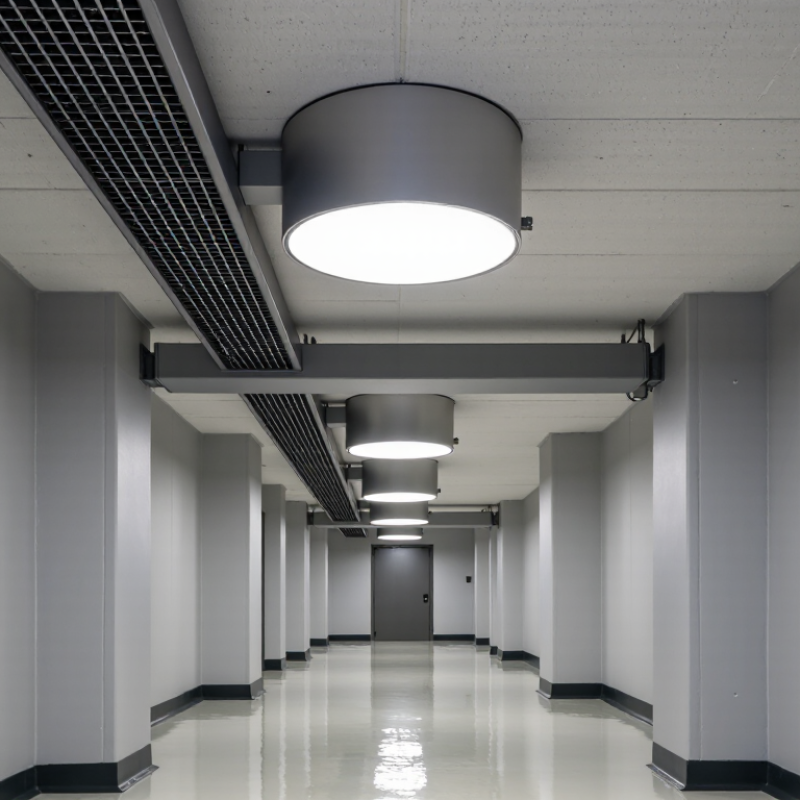
Choosing a Jail Downlight in 2026 means balancing reliable illumination with durability, comfort, and straightforward maintenance. A fixture may look suitable on a product sheet, yet perform poorly behind a protective cover or beneath a low ceiling. Details matter. Light distribution, glare control, material finish, and access for servicing all shape the result.

Lighting pioneer Richard Kelly is often associated with this principle: “Light is the first element of design; without it, there is no color, form, or texture.” His observation is relevant here. A well-chosen Jail Downlight should provide clear, even light without harsh bright spots or deep shadows. Buyers should compare beam patterns, output, color temperature, efficiency, and dimming compatibility. They should also check whether the housing and lens suit the site’s cleaning routines and expected wear.

The right choice depends on the room, ceiling, controls, and maintenance plan. Ask suppliers for photometric data, installation details, warranty terms, and evidence supporting stated performance. Confirm compatibility with the existing electrical system and applicable project requirements through qualified professionals. Small gaps count. A specification can still miss a practical issue, such as difficult access above a tightly fitted grille. That is worth reviewing before purchase. This guide explores the key checks for selecting a Jail Downlight in 2026, while recognizing that product claims need careful verification—not just confident wording.
How to Choose a Jail Downlight in 2026

Define the Lighting Requirements for a Jail Downlight

Defining lighting requirements for a jail downlight starts with the room, not the fixture. Record ceiling height, room dimensions, mounting type, and the surfaces that need clear visibility. A cell, corridor, interview room, and shower area do not share the same task. Note where staff need to read faces, inspect corners, or identify labels without glare. Small details matter.

Set measurable targets before comparing products: maintained light level, uniformity, color rendering, color temperature, and acceptable glare. Confirm how the fitting handles impact, tampering, moisture, cleaning chemicals, and long operating hours. Check emergency-lighting needs and control behavior with the project engineer. A photometric plan or sample-room trial can reveal dark patches that a lumen figure alone misses. I would not treat one site’s layout as a template; reflections and wall colors can change the result.

Tips: Walk the room during normal operations. Measure light at the work plane and check glare from staff positions. Ask facilities staff about cleaning routines and maintenance access. Document assumptions, especially ceiling conditions; they are easy to get wrong. Keep records.

How to Choose a Jail Downlight in 2026: Define the Lighting Requirements

Calculated Beam Footprint at a 2.7 m Mounting Height

The footprint estimates use the geometric relation diameter = 2 × mounting height × tan(beam angle ÷ 2). They assume a level surface and a circular, symmetrical beam; actual coverage depends on the fixture’s photometric data and installation conditions. Use the required illuminance, uniformity, glare control, fixture robustness, and applicable local codes to define the final jail-downlight specification.

Check Security, Safety, and Regulatory Requirements

How to Choose a Jail Downlight in 2026

In a secure facility, a downlight must withstand routine cleaning, impacts, and constant use. Check that its housing sits flush and has no easy-to-grip edges or exposed components. Small details matter. Ask for documented impact, ingress, and electrical ratings that match the room’s conditions, rather than relying on a general “secure” description.

Safety and compliance need equal attention. Confirm the fixture’s materials tolerate the cleaning products used on site, and check that its operating temperature suits the ceiling space. For showers or other wet areas, verify the required moisture protection with the project’s electrical professional. Review emergency-lighting needs, too; normal illumination may not meet the facility’s backup requirements. Local building, fire, and electrical rules vary, so have the authority responsible for the project confirm applicable standards before purchase.

Request installation instructions, test records, and maintenance details. Check how staff can inspect the lens and electrical connections without creating a security or service hazard. A checklist helps, but it can miss practical issues; a sample fitting in the actual ceiling may reveal glare, shadows, or awkward cleaning access. That extra review takes time. It can prevent a poor fit.

Compare Light Output, Color, and Fixture Specifications

Choosing a jail downlight starts with the space, not the largest lumen figure on a product sheet. Measure the room and note ceiling height, wall color, and the tasks performed below. A bright beam can still leave corners dim. Compare delivered lumens and beam distribution, then check whether the manufacturer’s layout data suits the room. Measure at the work surface when possible. Small details matter.

Color affects both visibility and comfort. Compare correlated color temperature (CCT) and color rendering index (CRI), rather than relying on “cool” or “warm” labels alone. A neutral white tone may support clear everyday viewing, while a high CRI can help staff distinguish colors more accurately. There is no universal setting for every facility. Test a sample if the choice is uncertain; I would not assume a higher CCT always means better visibility.

Check the fixture specifications against the actual installation conditions. Review the lens material, impact rating, ingress rating, recessed depth, voltage, and driver requirements. A sealed, impact-resistant construction may be appropriate in demanding spaces, but ratings must match the site’s documented needs. Confirm dimming compatibility and how maintenance access works before ordering. This part is easy to overlook. A fixture that fits the ceiling but complicates safe servicing is not a good fit.

Assess Installation, Durability, and Maintenance Needs

For a jail downlight, installation fit matters as much as the light output. Check the ceiling cutout, plenum depth, and wiring access before selecting a housing. A fixture that fits on paper may still clash with a duct or leave too little room for servicing. Measure twice. Have a qualified facilities electrician confirm the circuit, mounting method, and any location-specific environmental requirements. Clear installation notes can prevent improvised fixes later.

Durability depends on the room, not just the fixture description. A damp washroom, for example, needs protection suited to moisture; a busy corridor may need a lens and trim that resist impact and tampering. Review the product’s documented ratings and the manufacturer’s cleaning guidance rather than relying on phrases like “heavy duty.” Trade-offs remain. The most robust assembly is not always the easiest to maintain, especially when a sealed design makes component access difficult.

Plan maintenance before the first unit goes in. Check whether staff can reach the driver and connections without damaging the ceiling, and whether replacement parts can be stored on site. Set inspection intervals based on operating conditions. Look for flicker, discoloration, loose trim, or cracked lenses, and record recurring faults. There is no perfect fixture. A brief mock-up can reveal awkward access or uneven light that drawings miss, though it adds time before installation.

Select a Downlight That Fits the Facility and Budget

How to Choose a Jail Downlight in 2026

A suitable jail downlight must fit the room, facility requirements, and available budget. Start with the ceiling type, mounting depth, and required light level. A shower area, corridor, and interview room may need different fixture ratings and light distribution. Check that the lens, trim, and fasteners match the facility’s tamper-resistant requirements. Confirm specifications with facility staff and a qualified electrical professional before ordering.

Tips: Compare total cost, not just unit price. Include installation, energy use, cleaning, and replacement parts. Ask for a sample or lighting layout; a small test can reveal glare on polished floors or dim corners.

A cheaper fixture may cost more if its components are difficult to replace. But a premium option is not automatically the best fit. Review lumen output, color quality, dimming compatibility, and expected service access. Favor common specifications when they make maintenance simpler, while avoiding compromises on required safety ratings. Keep spare parts practical and documented. One detail is easy to miss: confirm that the chosen downlight works with existing controls and ceiling conditions, rather than assuming it will.

How to Choose a Jail Downlight in 2026 — Select a Downlight That Fits the Facility and Budget
Selection Factor Practical Specification to Consider Why It Matters in a Correctional Facility Budget Effect What to Verify Before Purchase
Fixture construction Choose a recessed fixture with a secure trim and an appropriate protective lens or guard for the room’s risk level. Exposed or easily removable parts may be vulnerable to tampering. Requirements differ between cells, corridors, and staff areas. Medium to high for specialized secure construction. Review the facility’s security assessment, installation details, access method, and maintenance procedure.
Impact resistance Consider a documented IK rating where impact resistance is required; IK10 is the highest rating in the IEC 62262 scale. A tested impact rating helps compare resistance to mechanical impact, but does not by itself establish that a fixture is suitable for every secure location. Typically higher than a basic commercial fixture. Request the test documentation and confirm that the complete installed assembly—not just a separate lens—matches the project requirement.
Ingress protection Select an IP rating suited to cleaning methods and exposure. For example, IP65 indicates dust-tight protection and protection against water jets under the rating test. Moisture and cleaning chemicals can affect fixture life. IP ratings do not certify chemical resistance or impact resistance. Low to medium, depending on sealing and construction. Confirm the required IP rating, cleaning-agent compatibility, and whether the rating applies to the fixture as installed.
Light output and efficacy Compare delivered lumens and lumens per watt for the complete fixture. Many general-purpose LED downlights are in the approximate 80–120 lm/W range; secure models vary. Delivered light output helps determine how many fixtures are needed. A higher efficacy can reduce energy use, but should not replace a lighting design. Efficient models may cost more initially and reduce operating costs. Check the photometric file, input watts, lumen output, beam distribution, and calculated illumination for the actual ceiling and room layout.
Color temperature and color quality Common choices include 3000 K, 3500 K, and 4000 K. A CRI of 80 or higher is a useful baseline for many indoor applications. Consistent color supports visibility and a coherent environment. The preferred setting depends on facility policy and the task being performed. Usually low; special color or tunable options can add cost. Confirm the specified CCT, CRI, color consistency, and whether the fixture’s output is suitable for the facility’s visual tasks.
Glare and beam distribution Choose optics and shielding based on mounting height, room dimensions, and the positions of occupants and staff. Excessive glare or uneven light can reduce visual comfort and leave areas inadequately illuminated. Low to medium; specialized optics may add cost. Review a lighting calculation or mock-up, including vertical illumination where observation and identification are important.
Emergency lighting Where required, specify a compatible emergency driver or an approved emergency-lighting arrangement. A 90-minute duration is common in some codes, but is not universal. Emergency operation supports egress and essential visibility during a power failure, subject to local code and facility requirements. Medium; emergency components and testing add cost. Confirm applicable code, required duration and illumination, battery or central-system compatibility, testing access, and maintenance responsibilities.
Controls and dimming Use only control methods compatible with the fixture and approved for the facility, such as specified dimming or occupancy controls. Controls may reduce energy use, but must not conflict with safety, supervision, or operating procedures. Low to high, depending on control system complexity. Verify control compatibility, fail-safe behavior, system integration, and whether controls are permitted in each space.
Service life and maintenance Compare rated life claims alongside the declared maintenance criteria, such as L70 or L80, and the expected operating conditions. Longer service life and accessible maintenance can reduce replacement work, but ratings are not a guarantee of actual service life. Higher-quality components may raise purchase cost while lowering lifecycle cost. Review the warranty, driver replaceability, access requirements, thermal conditions, and availability of replacement parts.
Total cost of ownership Compare fixture price, installation, energy use, maintenance, emergency components, and replacement costs over the project’s evaluation period. The lowest purchase price may not be the least expensive option over time, especially where access or replacement is difficult. Evaluate whole-life cost rather than purchase price alone. Use the project’s electricity rate, operating hours, maintenance plan, and actual quotations to calculate a like-for-like comparison.
Note: This table provides general selection guidance, not a code-compliance determination. Security, lighting, electrical, emergency, and accessibility requirements vary by jurisdiction and facility area. Confirm project-specific requirements with the facility team, lighting designer, and authority having jurisdiction.

Concrete Products Unlimited

Mon-Fri 8AM - 5PM

Concrete products, wholesale Arizona river rock for landscaping, decorative rock, sand and gravel. Rock quarry located in Arizona and delivers throughout the USA.

©2003 by Concrete Products Unlimited

bottom of page