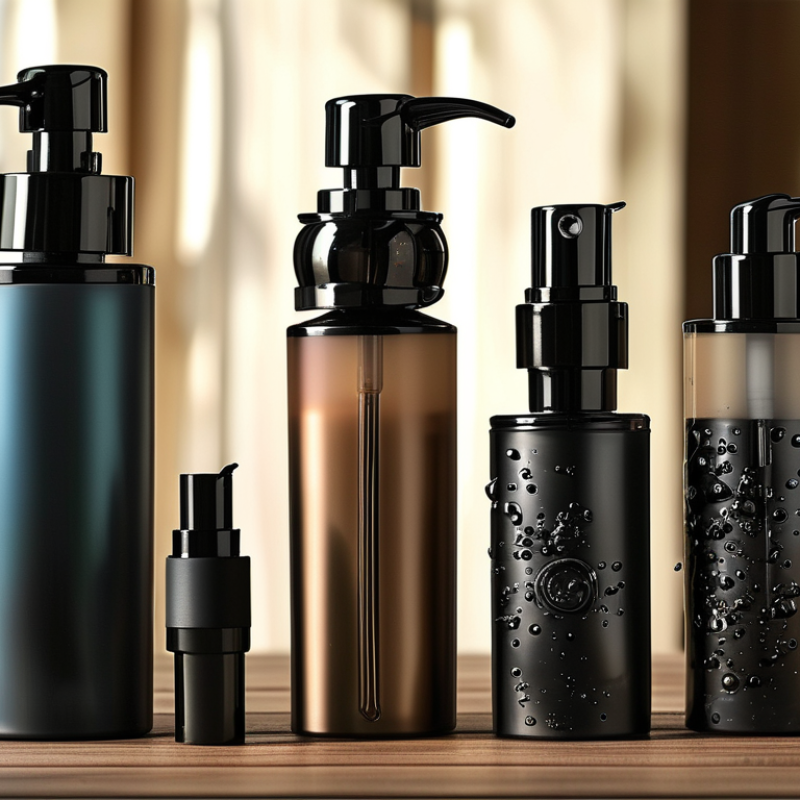
How to Choose the Best Cosmetic Airless Pumps for Your Needs?
Choosing the right Cosmetic Airless Pumps can significantly impact your product's effectiveness. These pumps protect formulas from air exposure, which can degrade ingredients. Therefore, understanding what to look for is crucial.
Different designs and features of cosmetic airless pumps may confuse potential buyers. Each brand offers unique qualities, tailored to specific needs. Not all pumps are created equal. Some may fail, leading to waste and dissatisfaction. Consider factors like material, capacity, and compatibility with your formula.
It's essential to consider your target audience. Users value convenience and quality. A well-chosen airless pump enhances user experience. At the same time, be aware that what works for one product may not work for another. Finding the best Cosmetic Airless Pumps requires research and careful consideration. Each decision impacts your brand's reputation and customer satisfaction.
Understanding Cosmetic Airless Pumps and Their Benefits
Cosmetic airless pumps are innovative packaging solutions designed to protect sensitive formulations. Their key benefit is minimizing exposure to air and contaminants. This is crucial for products that contain active ingredients. By preventing oxygen from degrading these ingredients, airless pumps enhance the product's shelf life and effectiveness.
Choosing the right airless pump requires understanding how they work. Most designs use a vacuum mechanism. This uses suction to dispense the product without allowing air inside. Users often appreciate that it allows for precise dispensing. However, some may find it challenging to get the last drops out.
Consider the material of the pump. High-quality plastic or glass can add an aesthetically pleasing touch. An opaque design protects light-sensitive ingredients. It's important to assess user needs, like travel convenience and ease of use. A well-chosen airless pump truly reflects attention to detail in cosmetics packaging.
How to Choose the Best Cosmetic Airless Pumps for Your Needs?
| Dimension | Description | Benefits |
| Capacity | Volume of the pump, typically ranges from 15ml to 100ml. | Allows for the right amount of product to be dispensed for different applications. |
| Material | Common materials include PET, glass, and aluminum. | Durability and protection of the product from light and air exposure. |
| Design | Available in various shapes and sizes, including cylindrical and rectangular. | Aesthetic appeal that enhances the brand image and user experience. |
| Pump Mechanism | Types include one-way or two-way systems. | Ensures that product stays uncontaminated and eliminates waste. |
| Compatibility | Should match the viscosity of the cosmetic product. | Ensures efficient dispensing without clogging. |
Key Features to Look for in Airless Pump Packaging
When considering airless pump packaging, several key features must be evaluated to meet specific cosmetic needs. Airless pumps prevent oxidation and contamination, ensuring product integrity. According to a recent industry report, 85% of consumers prefer products in airless packaging. This preference highlights the effectiveness and reliability of airless technology in preserving active ingredients.
Material choice is critical in airless pump development. Durable and lightweight plastics, such as PET and PP, are popular, offering good barrier properties. A study indicated that products packaged in high-quality materials showed a 30% longer shelf life compared to traditional options. Additionally, ease of use is vital; pumps should dispense the right amount of product without excessive force.
Consider the size and design as well. Aesthetic appeal can influence purchasing decisions. However, it’s essential to balance looks with functionality. Complex designs can lead to user frustration. Some consumers may find them less intuitive, which affects overall satisfaction. Therefore, while design is crucial, it should not compromise user experience. Evaluating these features ensures you choose the best airless pump for your cosmetic needs.
Different Types of Cosmetic Airless Pumps and Their Uses
Choosing the right cosmetic airless pump can be challenging. Understanding different types is essential. Airless pumps are designed to prevent product contamination and oxidation. This extends the shelf life of creams, lotions, and serums. Research indicates that airless packaging can increase product efficacy by up to 25%.
One popular type is the piston pump. It utilizes a plunger mechanism, providing a smooth dispensing experience. This design minimizes waste, ensuring nearly every drop is used. Another option is the diaphragm pump, which functions through flexible materials. It's ideal for thicker formulations like creams. A detailed report from the Cosmetic Packaging Association highlights that over 40% of brands are now using airless systems to enhance consumer trust in product quality.
Despite these advantages, challenges exist. Some consumers may find the mechanism difficult to use. Additionally, initial costs for airless pumps can be higher. A survey shows that around 30% of users express concern over the refillability of these systems. This reflects a growing demand for sustainability in cosmetic packaging. As the industry evolves, staying informed about airless pump designs is crucial for success.
Assessing Compatibility with Your Cosmetic Formulations
Choosing the right cosmetic airless pumps is crucial. Compatibility with your formulations can impact product performance. Different formulations may require different pump types. Understanding the ingredients in your product can help make the right choice.
Some cosmetic formulations include emulsions, oils, and serums. Each has unique viscosity and density. Selecting a pump designed for specific textures ensures proper dispensing. If your product is too thick, it may not dispense effectively. Pump mechanics play a significant role here.
Consider the material of the pump. Some ingredients can react with certain plastics. This can affect product integrity. Testing the compatibility of your formulation with the pump over time can reveal issues. It’s wise to reflect on initial findings. Adjustments may be needed to achieve the best results.
Choosing the Right Size and Design for Your Products
When selecting airless pumps for cosmetic products, size and design are crucial factors. A report by market analysts indicates that 70% of consumers prefer airless packaging for its ability to maintain product integrity. Choosing the right size ensures that the pump can dispense the required amount of product without waste. Overly large pumps may lead to excess product, while too small pumps can frustrate users.
Design also plays a significant role in user experience. Aesthetic appeal can influence buyer decisions. However, it’s not just about looks. The ergonomic design can enhance usability, making it easier to dispense products consistently. A survey found that 40% of consumers consider ease of use a top priority. Reflecting on this, companies should balance beauty and functionality in their designs.
Understanding these aspects can be complex. Brands may realize, after launch, that their chosen sizes do not meet consumer needs or that the design isn’t user-friendly. Continuous market research and user feedback can guide improvements and adjustments. Tracking trends can help businesses avoid potential pitfalls associated with poor design choices or inadequate sizing.