How to Choose the Best Decorative Gravel for Your Project?
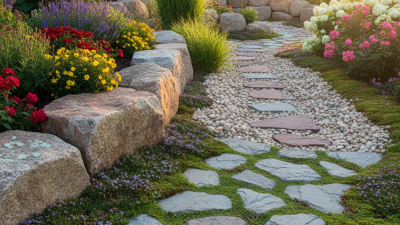
Choosing the best decorative gravel for your project can be overwhelming. Expert John Smith, a landscaping designer with over 15 years of experience, emphasizes the importance of this choice. He states, “The right decorative gravel can transform any space.”
Decorative gravel offers not just function but also aesthetic appeal. It comes in various colors, sizes, and textures. Each type serves distinct purposes—some more suited for pathways, while others enhance garden beds. The right gravel can create a welcoming atmosphere and elevate the overall design.
Consider your project’s specific needs. Evaluate factors like drainage, color, and durability. Unfortunately, many overlook the importance of these details. Underestimating the impact of decorative gravel can lead to costly mistakes. Take time to research, and think about how each option interacts with the surrounding elements. Making an informed choice can significantly enhance your landscape.
Factors to Consider When Selecting Decorative Gravel
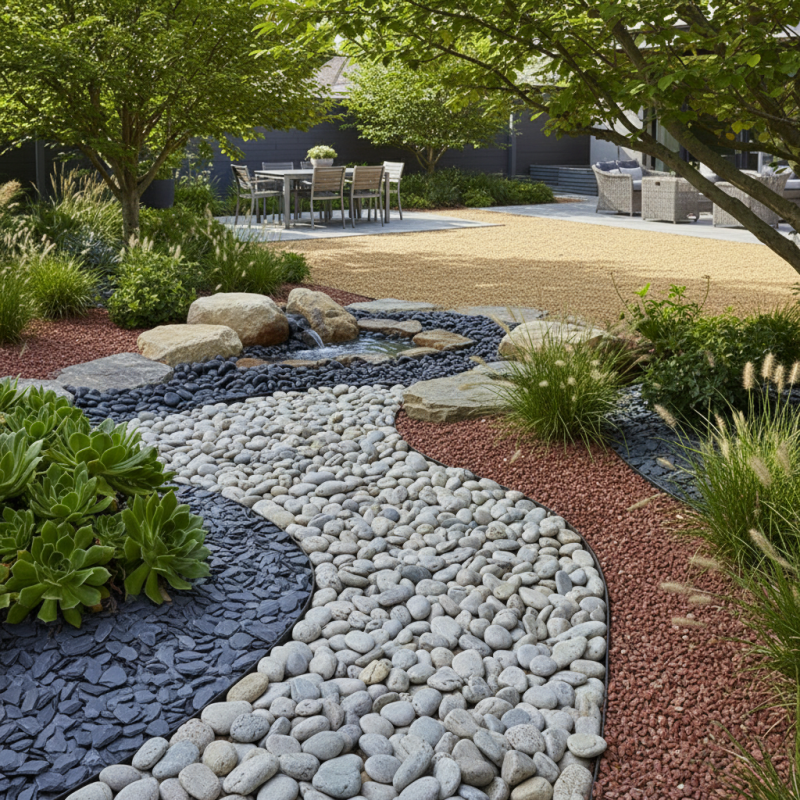
When selecting decorative gravel, several factors come into play. The purpose of your project is essential. Consider whether you need gravel for a pathway, garden, or drainage solution. Each application might require different types of gravel. Aesthetics also matter; the color and texture can significantly affect the overall look of your landscape.
In addition, size is crucial. Smaller pebbles may work better in tighter spots. Larger stones can create bold features in your outdoor space. Be aware of how the gravel will settle over time. Some types can shift or compact more than others, leading to uneven surfaces.
Tip: Always test a small area before committing. It helps ensure that the gravel complements your design.
Another tip is to consider the local climate. Different materials react differently to heat and moisture. You want something that withstands your environment while still looking attractive.
Types of Decorative Gravel and Their Uses
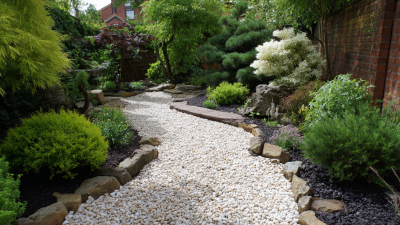
Decorative gravel comes in various types, each with unique features and uses. One popular option is river gravel. Its smooth, rounded stones create a natural look, making it ideal for pathways or decorative accents around gardens. It blends seamlessly into landscaping, offering both aesthetics and functionality.
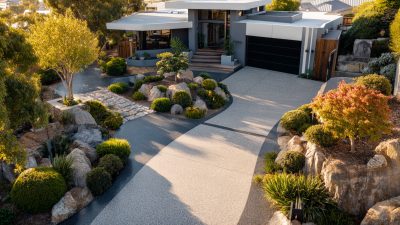
Another common choice is crushed stone. This type usually consists of larger, angular particles that interlock well. It is perfect for driveways or as a base material for other projects. The rough texture can give a rustic charm to outdoor spaces. However, it might not be as comfortable to walk on bare feet compared to smoother alternatives.
For those looking for vibrant colors, colored gravel is an option worth considering. This gravel can brighten up any outdoor area. It’s often used in planter beds or as a ground cover to enhance visual appeal. However, the color may fade over time, requiring occasional replacement. Choosing the right gravel involves not only aesthetics but also functionality and maintenance considerations.
Understanding Color and Texture Options in Gravel
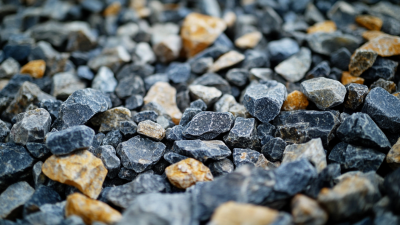
Choosing decorative gravel can be a delightful challenge. You’ll find a variety of colors and textures, each influencing the overall aesthetic. Bright whites and deep blacks create stark contrasts, while earthy tones offer a natural feel. The choice of color sets the mood and blends your project into the surroundings. For instance, light-colored gravel can brighten darker areas, while darker tones add elegance.
Texture is equally essential. Smooth pebbles provide a polished look, perfect for pathways. Crushed gravel, on the other hand, offers a rustic feel. Think about what you want to achieve. Is it a garden bed, a driveway, or an accent for a water feature? Each choice impacts not just the appearance but also the functionality.
Reflecting on your decisions is critical. Sometimes, a choice might not blend as expected. For example, a vibrant hue may clash with existing structures. It’s wise to gather samples and visualize them in your space. Testing small sections can help you avoid costly mistakes. Prioritizing your project's goals helps ensure you select the best gravel for your needs.
How to Choose the Best Decorative Gravel for Your Project? - Understanding Color and Texture Options in Gravel
| Color |
Texture |
Ideal Use Cases |
Maintenance Level |
| Gray |
Fine |
Pathways, Driveways |
Low |
| Red |
Coarse |
Garden Beds, Accent Areas |
Medium |
| White |
Smooth |
Modern Landscapes, Decorative Features |
High |
| Black |
Angular |
Driveways, Contemporary Designs |
Medium |
| Brown |
Pebbly |
Natural Landscapes, Paths |
Low |
Assessing the Size and Shape of Gravel for Your Project
When selecting decorative gravel, size and shape play crucial roles in your project's success. Different sizes, ranging from fine grains to larger stones, can dramatically change the visual impact. A recent industry report indicates that 30% of consumers prefer gravel in the 1/4 to 1/2 inch range for pathways, as it provides stability while maintaining an attractive appearance. This size caters well to foot traffic without compromising drainage.
The shape of the gravel is equally important. Angular stones tend to lock together better, creating a solid surface for walkways or driveways. In contrast, rounded gravel can add a softer look to garden beds or decorative features. According to landscaping experts, using a mix of shapes may enhance aesthetic appeal while also improving functionality. Although many projects benefit from uniform sizing, blending shapes can create unique textures. This approach might not suit every design, requiring careful consideration of each project's specific needs.
It's essential to reflect on how gravel interacts with other materials. For example, if you plan to incorporate plants, consider choosing a gravel type that supports soil health. An uninformed choice can lead to drainage issues or plant health problems down the line. Ultimately, understanding the nuances of size and shape can help you make an informed decision for your decorative gravel needs.
How to Choose the Best Decorative Gravel for Your Project?
This chart represents the popularity of different gravel sizes based on user preferences for various decorative projects. Fine gravel is preferred for pathways, while larger sizes are often used for driveways and landscaping features.
Budget Considerations for Purchasing Decorative Gravel
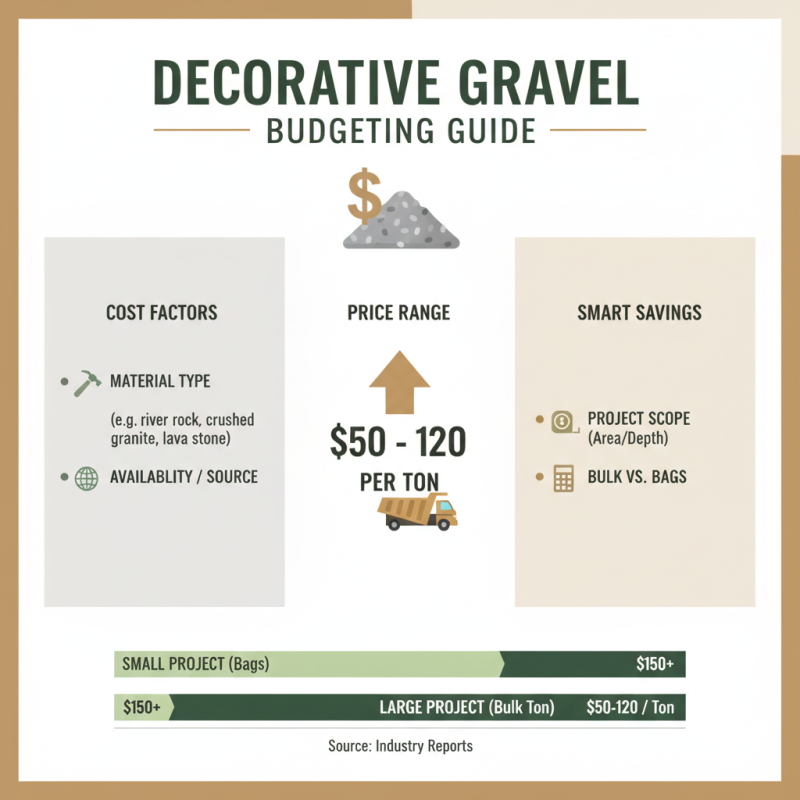
When selecting decorative gravel, budget becomes a crucial factor. The cost of decorative gravel can vary significantly based on material type and availability. According to industry reports, high-quality decorative gravel can range from $50 to $120 per ton. This extensive price range allows for flexibility, but it also poses a challenge for budgeting. Understanding your project scope can lead to better financial decisions.
Transportation costs are another budget consideration. Gravel is heavy, and delivery fees can inflate your total expenditure. On average, delivery charges can add an extra $50 to $150 to your overall purchase. Additionally, local markets may offer better rates. Researching local suppliers could yield savings, but it may limit material variety. It is essential to weigh the trade-offs between cost and options.
Unforeseen expenses can emerge during your project. Issues with installation or base preparation might require additional gravel. Your initial estimate may not encompass all needs. Being adaptable in budget planning can prevent frustrations. Ultimately, a thoughtful approach to budgeting will enhance your project's success and satisfaction.