
top of page

How to Choose the Best Magnetic Shelf Dividers

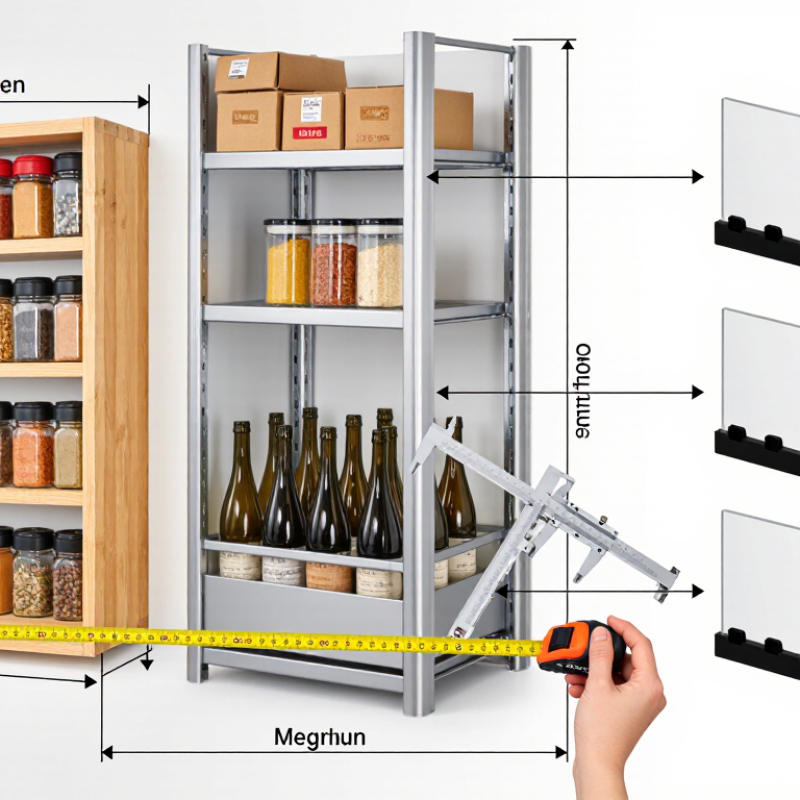
Choosing the right Magnetic Shelf Dividers starts with the shelf itself, not the product photo. Magnets need a compatible metal surface, and many shelves are made from wood, aluminum, or nonmagnetic stainless steel. Check the shelf material before comparing divider styles. Then measure its depth, thickness, and usable width. A divider that looks sturdy online may not fit a narrow shelf.

Think about what the shelf holds. Lightweight spice jars need less support than tall bottles or boxed supplies that shift during daily use. Look for a stable magnetic base, smooth edges, and a height that keeps items upright without hiding labels. If possible, check the maker’s stated dimensions and load guidance. Magnetic strength can vary with shelf coatings, surface flatness, and the weight being stored. Small details matter.

Adjustability is useful when your storage changes, but it is not always essential. Fixed dividers may suit a consistent row of books or containers. For frequently rearranged shelves, movable designs can save time. Still, a divider cannot fix an overcrowded shelf or an uneven surface. That is easy to overlook. Before buying several, test one divider in the intended spot and move it gently. Notice whether it slides, tilts, or leaves marks. The best choice is the one that fits your shelf, supports your items, and remains easy to reposition. A little measuring now can prevent a frustrating return later.
How to Choose the Best Magnetic Shelf Dividers

Understanding How Magnetic Shelf Dividers Work

How to Choose the Best Magnetic Shelf Dividers

Understanding How Magnetic Shelf Dividers Work

A magnetic shelf divider uses a magnetized base to attach to a compatible metal shelf. Its upright panel creates a boundary between product rows, helping boxes, books, or folded items stay aligned. The divider can usually slide to a new position without screws or tools. Simple, but the shelf surface matters.

Magnets need close contact with a surface that attracts them, often steel. They will not reliably grip ordinary wood, glass, or aluminum. Paint, dust, shelf liners, and uneven surfaces can also reduce contact. A divider may feel secure when empty, then shift when a customer pulls out a tightly packed item. That detail is easy to miss.

Check the shelf material and the divider’s stated holding capacity before choosing one. Then place it on a clean, flat area and test it with the kind of stock you intend to store. A gentle sideways push can reveal movement. Do not assume a larger magnet solves every problem; panel height, load, and shelf vibration also affect stability. One limitation: magnetic dividers work best when the shelf itself is suitable. If it is not, another mounting style may be more practical.

Measuring Shelves and Checking Surface Compatibility

Measuring Shelves and Checking Surface Compatibility

Start with the shelf’s usable interior width and depth, not its outside dimensions. Measure near the front, middle, and back; shelves can taper slightly or have uneven edges. Note any raised lips, rails, or brackets that might stop a divider from sitting flat. A few millimeters matter.

Check the divider’s footprint and height against the shelf and the items you plan to separate. Leave room for containers to slide in and out. Too tall, and a divider may catch on stored goods; too short, and items can lean over it. That part is easy to overlook. I’ve found that measuring only the empty shelf can miss the clearance needed for everyday use.

Test the surface with a small household magnet before buying. A firm pull usually suggests a magnetic steel surface; wood, glass, and most aluminum shelves will not hold magnetic dividers. Still, the test is not perfect. Thick paint, liners, or coatings can weaken the grip, even when the shelf itself attracts a magnet. Wipe the contact area clean and dry, then check that the divider stays put with a gentle nudge. If it shifts, reconsider the surface or choose another divider style.

Comparing Divider Height, Length, and Material

How to Choose the Best Magnetic Shelf Dividers

Divider height should match the items, not just the shelf. For upright books, folders, or boxed goods, a taller panel helps prevent leaning. Low-sided bins may need only a modest edge to keep items from sliding. Check the shelf clearance, too; an overly tall divider can catch on cabinets or nearby shelves. Small detail. Measure the tallest item while it is in place.

Length affects stability and usable space. A divider that spans most of the shelf offers better support, but it can make short sections awkward to reach. Measure the shelf’s usable depth, including any lip or recessed back panel. Leave enough room for the divider’s magnetic base to sit flat. Measure twice. Magnetic strength can vary with shelf thickness, coating, and material, so test the fit before loading heavy items.

Material influences durability and handling. Metal dividers are often rigid and easy to wipe clean, while plastic versions may feel lighter and resist dents. Look for smooth edges if hands will reach between stored items. A coated finish can help protect surfaces, but it may still scratch under repeated movement. There is no perfect choice; a divider that works for paper files may not suit bulky containers. Check the shelf and load together.

Evaluating Magnetic Strength and Stability

A magnetic shelf divider should stay upright when books or pantry items press against it, not merely cling to the shelf when empty. Magnetic strength depends on the surface: a smooth steel shelf usually offers better contact than a painted, textured, or slightly curved one. Check the surface first. Look for a broad, flat magnetic base, since a narrow strip may hold firmly at the center but allow the divider to twist at its ends.

Test stability before loading the shelf. Place the divider where it will be used, then push it gently from both sides with one hand. It should resist sliding and rocking without needing a hard shove. Small test, big difference. Add a few typical items, such as paperback books or jars, and watch whether the base shifts as weight builds. Keep the load within the maker’s stated limit; magnetic pull alone does not reveal how much sideways pressure the divider can handle. Dust, crumbs, and small gaps can also weaken contact, so clean and dry the shelf before testing. One easy-to-miss detail: a divider may seem stable until items repeatedly bump it, so check again after normal use.

How to Choose the Best Magnetic Shelf Dividers - Evaluating Magnetic Strength and Stability

Divider Design Magnetic Contact Best Shelf Surface Stability Considerations Best For Limitations to Check
Single-magnet base One magnetic contact area; holding force depends on the magnet, contact area, and surface condition. Flat, clean ferromagnetic steel Moderate for light-to-medium items; a small contact area may allow the divider to pivot when bumped. Light packages, books, and general shelf organization Confirm that the shelf is magnetic steel. A painted coating, uneven surface, or debris can reduce contact.
Multi-magnet base Several contact points distribute magnetic attachment along the base. Flat steel shelves with enough usable surface for the full base Often more resistant to rocking when magnets are spaced apart and all make full contact. Frequently accessed shelves and heavier product groups More magnets do not guarantee a higher load capacity; check the stated holding force and test under the intended conditions.
Wide-footprint magnetic base Broad base increases the area available for contact with the shelf. Wide, flat steel shelving A wider footprint can improve resistance to tipping, especially when the divider is tall. Tall dividers or shelves where items may push sideways Ensure the base fits the shelf depth and does not obstruct shelf edges or stored items.
Low-profile magnetic divider Magnetic base with a shorter dividing panel Flat steel shelves Generally less exposed to sideways leverage than a taller divider with a similar base. Low-profile products, stationery, and shallow storage Panel height must be sufficient to keep the stored items separated.
Tall magnetic divider Magnetic base; attachment quality depends on the magnet and the shelf surface. Flat steel shelves; a wider or multi-point base is helpful Greater panel height can create more leverage when items press against it, so base stability matters. Upright books, folders, and taller packaged goods Check panel height, base width, and the manufacturer’s load guidance; avoid relying on it as a safety restraint.
Magnetic divider with protective pads Magnetic contact through or alongside protective pads, depending on the design. Compatible steel surfaces where scratch protection is useful Pads can help protect finishes, but added spacing or a soft layer may reduce magnetic grip. Finished or frequently cleaned steel shelving Verify that the pads do not prevent the magnets from sitting securely against the shelf.
Non-magnetic attachment alternative No magnetic attachment; may use a clamp, adhesive, or mechanical fastener. Wood, aluminum, glass, or other non-ferromagnetic surfaces, depending on attachment type Varies by attachment method and shelf construction. Shelves where magnets will not attach Check shelf thickness, finish compatibility, and whether the attachment can be removed without damage.

Selection tip: Magnetic dividers attach to ferromagnetic materials such as many steel shelves, but not typically to aluminum, wood, or glass. For a practical stability check, place the divider on the intended shelf, confirm full base contact, and gently test for sliding and rocking before loading it. Holding force varies with magnet design, air gaps, coatings, surface condition, and the direction of applied force; use manufacturer specifications where available.

Selecting Dividers for Specific Storage Needs

Selecting a magnetic shelf divider starts with the items you need to contain. Measure the shelf depth and the tallest objects, then choose a divider that leaves room for easy access. A divider that is too low may not stop boxes from tipping. One that is too high can make everyday items awkward to reach.

Check the shelf surface before choosing a magnetic base. Magnets usually need a compatible metal surface; they will not hold securely on wood, glass, or many aluminum shelves. Fit matters. For heavy jars or bins, test the divider with the actual load and give it a gentle push.

I might be tempted to judge stability by magnet strength alone, but shelf coating, dust, and uneven contact can change the result. For small supplies, closer spacing can keep screws or packets from sliding into neighboring sections. For folded towels, wider gaps may work better and make items easier to remove.

Test it first.

A little adjustment after loading is normal, and the best layout may not be the one that looked neat when the shelf was empty.

Concrete Products Unlimited

Mon-Fri 8AM - 5PM

Concrete products, wholesale Arizona river rock for landscaping, decorative rock, sand and gravel. Rock quarry located in Arizona and delivers throughout the USA.

©2003 by Concrete Products Unlimited

bottom of page