top of page

How to Choose the Best Rock Products for Global Sourcing?

Choosing the best Rock Products for global sourcing requires more than comparing prices on a supplier spreadsheet. Quality, geology, freight distance, production capacity, documentation, and delivery consistency all affect the true landed cost. A cheaper quarry can become expensive when moisture, breakage, port delays, or inconsistent grading disrupts a project.

The U.S. Geological Survey reported approximately 1.5 billion metric tons of crushed stone production in 2023. Its Mineral Commodity Summaries also recorded nearly 960 million tons of construction sand and gravel. These figures show the market’s scale, but they do not guarantee reliable international supply. Local testing remains essential. Particle size, abrasion resistance, absorption, mineral composition, and contamination risks should be checked before purchase.

Small details matter.

The World Bank’s Logistics Performance Index 2023 highlights major differences in customs efficiency, infrastructure, shipment tracking, and delivery reliability between countries. These differences can reshape sourcing decisions, especially for heavy, low-value materials. Transportation emissions also deserve attention. The International Energy Agency identifies freight efficiency and fuel use as important factors in reducing supply-chain emissions.

Michael W. Johnson, former president and CEO of the National Stone, Sand & Gravel Association, described aggregates as “the foundation of our economy and infrastructure.” That statement reflects practical experience: Rock Products support roads, concrete, railways, drainage systems, and industrial facilities.

Still, one assumption deserves challenge. The largest supplier is not always the safest choice. A stronger decision combines verified samples, independent laboratory results, shipment records, ethical sourcing checks, and a realistic landed-cost model. This guide explains how global buyers can compare suppliers clearly, while recognizing that every quarry and destination creates different risks.
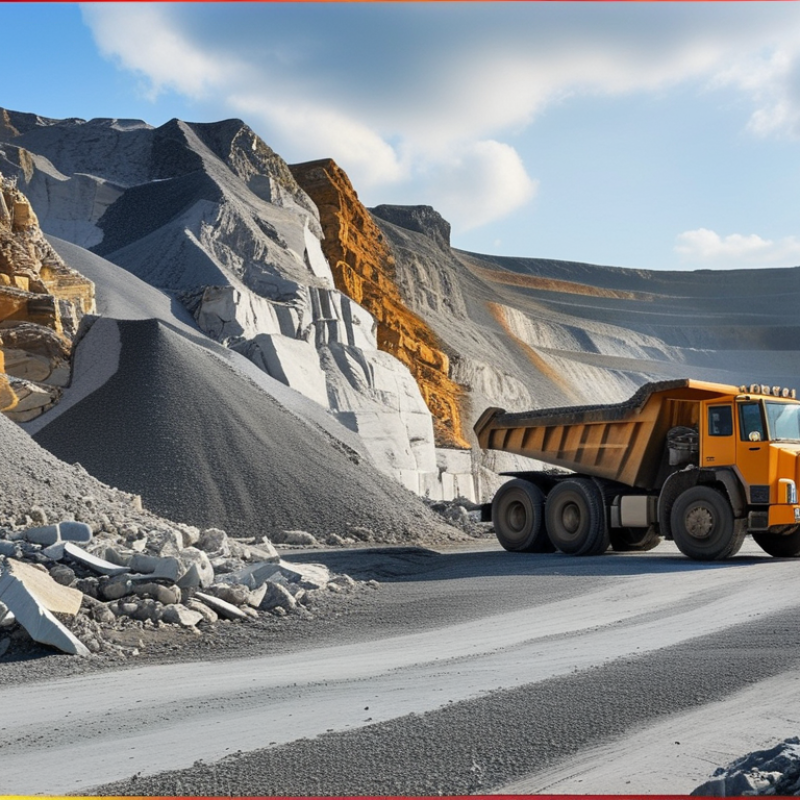
How to Choose the Best Rock Products for Global Sourcing?

Define Your Project Requirements and Rock Product Specifications

How to Choose the Best Rock Products for Global Sourcing?
Define Your Project Requirements and Rock Product Specifications

A reliable purchase begins with the project, not the catalog. Record the intended use, location, load conditions, and installation method. A garden path needs different performance than a retaining wall or commercial floor. Note the required dimensions, thickness, surface finish, color range, and acceptable variation. Small differences matter. A two-millimeter tolerance can affect installation speed and material waste.

Technical performance should be documented before price discussions. Request test data for compressive strength, water absorption, abrasion resistance, and freeze-thaw durability when relevant. For exterior applications, ask how the material performs after repeated wet and dry cycles. Specify edge treatment and packing requirements too. Cracked corners often begin with weak protection during transport, not poor stone quality.

Use physical samples whenever possible. Digital images can hide shade changes, veining, and surface texture. Compare samples under daylight and indoor lighting. A small sample cannot show every natural variation. That limitation deserves attention. I would also request recent inspection records, production tolerances, and photographs of packed cargo. Suppliers should explain quarry origin, processing capacity, lead time, and replacement procedures clearly. Vague answers create avoidable risk.

Prepare a written specification sheet and let an independent inspector verify critical orders. Include sample approval, carton markings, pallet dimensions, and moisture protection. The specification may need revision after testing. That is not failure. It is better than discovering unsuitable material after arrival.

Compare Rock Types, Grades, Origins, and Available Applications

Choosing rock products for global sourcing requires more than comparing color and price. Granite suits polished slabs, stairs, and heavy-use façades because it offers strong abrasion resistance. Basalt performs well in paving, rail ballast, and road aggregates. Limestone is easier to process and supports cement, concrete, and architectural work. Sandstone adds texture, but its water absorption can vary sharply.

Grade must match the application. Check compressive strength, water absorption, density, abrasion loss, grain size, and freeze-thaw performance. ASTM C33 provides useful aggregate criteria, while EN 12620 supports European aggregate evaluation. The USGS Mineral Commodity Summaries 2024 reported about 1.5 billion metric tons of crushed stone production in the United States during 2023. That volume shows market scale, not automatic quality. A nearby quarry may offer lower freight emissions, yet inconsistent grading can increase project waste. My own sourcing reviews often find that “premium” is poorly defined. That needs challenging.

Tips: Request recent laboratory reports, quarry origin, production capacity, and shipment photos. Test samples from different batches. A single attractive sample proves very little.

Origin affects mineral composition, color stability, lead times, and transport risk. Coastal granite may face salt exposure before installation. Mountainous basalt can provide dense material but create difficult trucking routes. Compare delivered cost, not quarry price. Use supplier declarations alongside independent testing, and verify the results against project specifications. The International Energy Agency notes that transport remains a significant source of industrial emissions, so distance deserves technical attention, not just financial attention. Some assumptions will fail. Build a small trial order into the procurement plan.

How to Choose the Best Rock Products for Global Sourcing?

Compare rock types, typical grades, geological origins, and common applications using hardness and density as key sourcing indicators.

Rock Type Typical Geological Origin Common Commercial Grades Available Applications
Granite Brazil, India, China, Scandinavia Blocks, slabs, tiles, crushed aggregate Countertops, façades, flooring, roads
Marble Italy, Türkiye, Greece, Spain Blocks, polished slabs, honed tiles Interior flooring, walls, stairs, monuments
Limestone China, Vietnam, Egypt, France Cut stone, tiles, aggregate, calcium carbonate Cladding, paving, cement, soil treatment
Basalt India, Vietnam, Indonesia, Iceland Crushed stone, cobbles, pavers, fiber Road base, railway ballast, paving, insulation
Quartzite Brazil, India, Norway, South Africa Slabs, tiles, riprap, high-strength aggregate High-wear flooring, façades, countertops, roads

Values show representative midpoints of commonly reported ranges. Actual hardness and density vary with mineral composition, porosity, weathering, and quarry location. Confirm product specifications, test standards, and available dimensions before sourcing.

Evaluate Suppliers, Certifications, Production Capacity, and Reliability

How to Choose the Best Rock Products for Global Sourcing?

Selecting rock products for global sourcing requires more than comparing prices. I begin by checking the supplier’s operating history, quarry ownership, export experience, and inspection records. A polished website proves very little. Ask for recent production photos, sample batches, and customer references from similar projects.

Certifications should match the product and destination market. Request current documents for quality management, environmental controls, worker safety, and material testing. Then verify the certificate numbers through the issuing organization. Test reports should identify the quarry, sample date, dimensions, water absorption, density, and strength. Vague paperwork creates expensive surprises. It is also wise to inspect color consistency, edge finishing, packaging, and pallet stability before shipment.

Production capacity needs practical evidence. Ask for monthly output, available cutting equipment, quarry reserves, and backup plans during weather disruptions. A supplier may promise 10,000 square meters, yet deliver only half that amount. I once trusted a confident forecast without checking machine schedules. The delay damaged the installation timetable. Now I compare promised capacity with recent invoices, loading records, and a small trial order.

Reliability appears in communication as well. Suppliers should answer technical questions clearly and report problems early. Confirm lead times, inspection points, payment terms, replacement procedures, and shipping responsibilities in writing. Visit the facility when possible, or hire an independent inspector. No checklist is perfect. Still, repeated verification reduces risk and supports a more dependable sourcing decision.

How to Choose the Best Rock Products for Global Sourcing? - Evaluate Suppliers, Certifications, Production Capacity, and Reliability

Rock Product Category Key Quality Specifications Recommended Certifications & Documents Typical Production Capacity Typical Export Lead Time Supplier Reliability Indicators Recommended Verification Method
Crushed Aggregate Consistent particle size, low clay content, controlled moisture, suitable abrasion resistance, and compliance with the project grading curve. ISO 9001 quality system; aggregate grading report; petrographic description; chemical analysis; project-specific test certificates. Approximately 20,000–150,000 metric tons per month, depending on quarry reserves and crushing lines. 20–45 days, including production, inland transport, port handling, and vessel scheduling. Documented quarry reserves, multiple crushing stages, calibrated screening equipment, and stable shipment records. Request recent third-party test results, inspect stockpiles, review loading records, and conduct pre-shipment sampling.
Construction Sand Controlled grading, low organic impurities, acceptable silt and clay content, and moisture levels suitable for batching or mortar production. ISO 9001; sieve analysis; silt and clay test; chloride and sulfate test; safety data and origin documentation where required. Approximately 10,000–80,000 metric tons per month for a medium-to-large processing operation. 18–40 days, subject to washing, drying, packaging, and bulk or container availability. Operating washing and classification equipment, covered storage, moisture-control procedures, and documented batch traceability. Approve a reference sample, compare batch results, check moisture before loading, and verify container or vessel weights.
Decorative Pebbles Uniform color range, rounded or specified shape, clean surface, limited cracking, and consistent size distribution. ISO 9001; product specification sheet; color and size inspection record; origin statement; packaging and fumigation documents when applicable. Approximately 2,000–20,000 metric tons per month, depending on manual sorting and finishing requirements. 25–55 days, especially when hand sorting, washing, or custom bagging is required. Clearly defined color tolerances, adequate covered storage, trained sorting staff, and repeatable packaging procedures. Set a signed golden sample, define acceptable color variation, inspect random bags, and conduct loading supervision.
Stone Slabs and Tiles Thickness tolerance, flatness, water absorption, flexural strength, surface finish, edge quality, and acceptable natural variation. ISO 9001; dimensional inspection; water absorption and flexural strength reports; radiation or chemical declarations where required by destination regulations. Approximately 5,000–50,000 square meters per month, depending on block supply and finishing lines. 30–75 days, including block selection, cutting, polishing, quality inspection, and packing. Reliable block inventory, automated cutting and polishing capability, low breakage rates, and documented complaint-resolution records. Approve physical samples, inspect slabs under consistent lighting, measure thickness and flatness, and perform pre-shipment inspection.
Dimension Stone Blocks Block dimensions, soundness, absence of major fractures, recoverable yield, color consistency, and quarry face stability. Quarry extraction permit; environmental documentation; petrographic report; physical property tests; chain-of-custody and origin records. Approximately 1,000–15,000 cubic meters per month, highly dependent on geology and extraction conditions. 35–90 days, influenced by quarry production, block selection, and heavy-cargo shipping schedules. Proven quarry reserves, professional geological planning, suitable lifting equipment, and contingency plans for seasonal disruption. Review quarry records, inspect the extraction site, examine recent block inventories, and verify dimensions before shipment.
Gabion and Riprap Rock Specified size range, angular shape, resistance to weathering, low fragmentation, and suitable density for erosion-control applications. ISO 9001; grading report; density and durability testing; abrasion and soundness results; environmental and origin documentation. Approximately 15,000–100,000 metric tons per month, depending on blasting and screening capacity. 20–50 days, with bulk vessel logistics generally more efficient for large-volume orders. Consistent blasting practices, adequate oversize handling, durable rock formation, and the ability to reserve production slots. Confirm grading through independent sampling, inspect loading operations, review quarry test history, and verify delivered weight.
Industrial Limestone Calcium carbonate content, magnesium level, moisture, particle size, whiteness where relevant, and controlled levels of silica or other impurities. ISO 9001; chemical composition certificate; particle-size distribution; safety data sheet; responsible-extraction and environmental permits. Approximately 10,000–200,000 metric tons per month, depending on mining scale and milling equipment. 20–60 days, depending on milling, drying, bagging, and bulk transport requirements. Stable geological composition, laboratory quality control, enclosed milling systems, and documented production-batch traceability. Compare independent chemical analyses with the purchase specification and test samples from multiple production batches.
Volcanic Rock and Lightweight Aggregate Bulk density, porosity, compressive strength, water absorption, particle grading, and resistance to thermal or weathering conditions. ISO 9001; density and absorption tests; compressive strength report; grading certificate; environmental and origin documents. Approximately 3,000–40,000 metric tons per month, depending on screening and sizing requirements. 25–60 days, with additional time for custom sizes, drying, or specialized packaging. Stable source geology, controlled crushing ratios, covered storage, and consistent bulk-density management. Test bulk density and absorption independently, review batch variation, and verify that packaging prevents excessive breakage.

Note: Capacity and lead-time figures are practical industry benchmark ranges rather than supplier-specific guarantees. Final approval should be based on current test reports, site audits, contract terms, shipment history, and destination-country requirements.

Assess Global Logistics, Import Rules, Packaging, and Delivery Risks

How to Choose the Best Rock Products for Global Sourcing?

Global sourcing begins with logistics, not price. Confirm the product’s weight, volume, loading method, and final delivery location. Rock products can overload containers quickly. A supplier should provide accurate dimensions, moisture content, and estimated packed weight. Request recent loading photos. They often reveal weak pallets or unused space. Compare full-container and partial-load options carefully. Port congestion, transshipment delays, and seasonal weather can affect delivery dates. Build practical time buffers into your purchasing plan.

Import rules require detailed checking before payment. Product classification, origin documents, inspection requirements, and quarantine controls may differ between countries. Natural materials can attract extra attention when soil, plant matter, or untreated wood packaging is present. Ask the importer or customs broker to verify current requirements in writing. Do not rely on an old shipping example. Regulations change, and informal advice can be incomplete. This step may feel slow, but it prevents expensive holds at the port.

Packaging should match the rock’s shape, finish, and fragility. Use lined cartons, strong pallets, corner protection, and moisture-resistant wrapping when appropriate. Smaller stones need internal separation to prevent surface damage. Heavy pieces need secure strapping and clear lifting points. Add delivery-risk terms that define damage reporting, inspection timing, and replacement responsibilities. Photograph the cargo before sealing the container. No checklist is perfect. A minor packaging shortcut may become a major claim after a long ocean journey. (222 words)

Calculate Total Sourcing Costs and Select the Best Supplier Value

How to Choose the Best Rock Products for Global Sourcing?

Calculate Total Sourcing Costs and Select the Best Supplier Value

Choosing rock products globally begins with usable specifications, not attractive photographs. Define mineral type, size range, color tolerance, moisture limit, edge finish, and packaging method. Ask for recent samples and independent test results where performance matters. A quarry quote may look low. It rarely shows the full cost. In one purchasing review, cheaper stone required extra sorting because sizes varied. That difference changed the installation schedule.

Build a landed-cost sheet for every supplier. Include product price, cutting or grading, export packing, inland transport, port fees, freight, insurance, duties, inspection, and local delivery. Add payment charges, currency movement, breakage, and expected waste.

Use the same quantity and delivery term in each comparison. A 20-ton shipment with reinforced crates may cost more upfront, yet reduce damage and replacement delays. Ask suppliers to state what happens when moisture, color, or dimensions fall outside the agreed range. Written tolerances protect decisions better than friendly promises.

Supplier value also depends on evidence. Review quarry capacity, quality-control records, production lead times, traceable invoices, and references for similar orders. Request loading photos with visible measurements, not polished marketing images. Confirm that extraction, labor, customs, and environmental practices meet applicable local requirements.

Do not rate reliability from one successful sample. Check response speed during a complaint. A supplier who explains a defect clearly may be safer than one offering the lowest price. I still leave a contingency line in the model. Markets change, and my estimates can be wrong. That uncertainty deserves a number, not optimism.

Concrete Products Unlimited

Mon-Fri 8AM - 5PM

Concrete products, wholesale Arizona river rock for landscaping, decorative rock, sand and gravel. Rock quarry located in Arizona and delivers throughout the USA.

©2003 by Concrete Products Unlimited

bottom of page