What is a Custom Expansion Joint Flange and How to Buy?
Custom Expansion Joint Flanges play a vital role in various industrial applications. These components manage thermal expansion and contraction in piping systems. According to a market analysis by MarketsandMarkets, the global expansion joint market is expected to reach $2.5 billion by 2026. This signifies a growing demand for high-quality, tailored solutions in sensitive environments.
When considering purchasing Custom Expansion Joint Flanges, it is essential to understand the various materials and designs available. Flanges should be tailored specifically to the installation requirements. Not all suppliers can deliver the precision needed. The wrong choice can lead to system failures or costly downtime. While many manufacturers claim expertise, not all provide the same level of quality assurance.
Data shows that improper installation or inadequate materials can result in significant operational risks. Therefore, investing in reliable suppliers is crucial. It is essential to evaluate your options carefully. This ensures that the selected custom solutions meet industry standards and performance expectations.
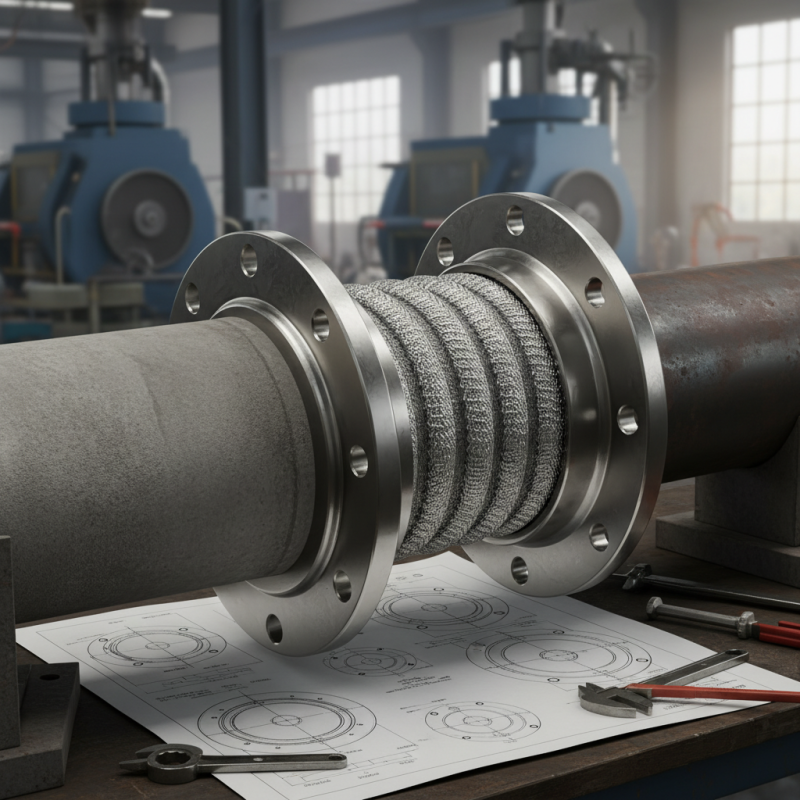
What is a Custom Expansion Joint Flange?
A custom expansion joint flange is designed to accommodate thermal expansion and movement in piping systems. It allows for flexibility and prevents stress on the pipes. These flanges are essential in various industries, including oil and gas, chemical processing, and water treatment.
Choosing the right material is crucial. Stainless steel is common due to its strength and corrosion resistance. Other materials like rubber or PTFE may be used for specific applications. The design of the flange also matters. Different shapes and sizes cater to unique system requirements. Measurements should be precise to ensure a proper fit.
When planning to buy a custom flange, consult experts. They can guide you on specifications and best practices. Many manufacturers offer customization options. However, not all suppliers are created equal. Research their reputation and quality standards diligently. Make informed choices to avoid costly mistakes.
Key Benefits of Using Custom Expansion Joint Flanges
Custom expansion joint flanges play a crucial role in various industries, providing flexibility and resilience in piping systems. The key benefit of using these flanges is their ability to accommodate thermal expansion and contraction. This is important in preventing stress on pipelines, which can lead to leaks or costly repairs. By absorbing movement, custom flanges enhance the longevity of the entire system.
Another significant advantage is the tailored design options available. Custom flanges can be engineered to specific dimensions and materials, ensuring compatibility with different systems. This precise fit minimizes installation problems and enhances overall efficiency. However, sourcing the right custom joint can be challenging. It's vital to work closely with manufacturers who understand the unique requirements of your application. Reliability in the supply chain is paramount to avoid potential delays.
Despite the benefits, improper installation or inadequate material selection can undermine the advantages of custom expansion joint flanges. It’s essential to assess the materials used and consider environmental factors. Sometimes, companies overlook issues like corrosion or thermal shock, which could affect performance. Engaging with experienced professionals during the selection process can help mitigate these risks and ensure optimal functionality.
Benefits of Using Custom Expansion Joint Flanges
This chart represents the key benefits of using Custom Expansion Joint Flanges. Each benefit is scored on a scale of 1 to 10, indicating the importance and impact it can have on system performance and cost-effectiveness.
Factors to Consider When Purchasing Custom Flanges
When purchasing custom flanges, several factors need careful consideration. The material of the flange is critical. Options often include stainless steel, carbon steel, or specialized alloys. Each material has specific applications and properties. Knowing the intended environment will help in selecting the right material. For instance, corrosive environments dictate the need for more robust materials.
Another key aspect is the flange design. Custom flanges can come in various sizes and shapes. It's essential to match these specifications with the existing piping systems. Misalignment can lead to leaks and failures. Collaboration with a skilled manufacturer can ensure that the design meets your standards.
Don’t overlook the testing and certification requirements. Flanges should comply with industry standards to ensure reliability. Custom solutions might not always meet standard certifications, which is a risk factor. Take the time to review all documentation thoroughly. The investment in quality is often worth the effort when ensuring system integrity and safety.
What is a Custom Expansion Joint Flange and How to Buy? - Factors to Consider When Purchasing Custom Flanges
| Dimension | Material | Pressure Rating (psi) | Temperature Range (°F) | Application |
| 6" x 1/2" | Stainless Steel 316 | 150 | -50 to 300 | Chemical Processing |
| 8" x 3/4" | Carbon Steel | 300 | -20 to 250 | Water Supply |
| 4" x 1/4" | Alloy 20 | 150 | -10 to 200 | Pharmaceuticals |
| 10" x 1" | Ductile Iron | 250 | -40 to 260 | HVAC Systems |
| 12" x 1" | Nickel Alloy | 600 | -10 to 500 | Oil and Gas |
How to Choose the Right Supplier for Custom Flanges
When selecting a supplier for custom expansion joint flanges, expertise is essential. Look for a supplier with extensive experience in manufacturing flanges tailored to your specifications. Check their portfolio to see past projects. This confirms their capacity to meet your unique needs.
Reputation matters. Research customer reviews and testimonials. Engage with past clients if possible. A reliable supplier will have a track record of delivering quality products on time. Don’t ignore red flags, such as consistent complaints about delays or poor customer service.
Tips: Request samples before making a bulk order. This helps you assess the quality firsthand. Always clarify your requirements in detail. Ensure the supplier understands the specific materials and sizes you need. Communication is key throughout the process.
Finally, evaluate the supplier's customer service. Fast responses can reflect their commitment to clients. A good supplier will address your queries without delay. This responsiveness can make all the difference in ensuring a smooth procurement process.
Installation and Maintenance Tips for Expansion Joint Flanges
Installation of expansion joint flanges requires careful consideration. Proper alignment is crucial to avoid stress on piping systems. Ensure the flange faces are clean and free of debris. Misalignment may lead to leaks or premature failure. Use suitable gaskets that fit the size and type of your flange. These details can significantly impact performance.
Maintenance is equally important. Regular inspections help identify wear and tear early. Look for signs of corrosion or deterioration. This could indicate that replacements are necessary. Tightening bolts periodically can also prevent leaks. Always consult guidelines for torque specifications to avoid damage caused by overtightening. Addressing these areas proactively enhances reliability.
Understanding these installation and maintenance tips can prevent larger issues down the line. Mistakes can happen, especially in complex systems. A careful approach ensures longevity and efficiency. Keep the focus on detail, and your expansion joint flanges will perform effectively for years.