Essential Concrete Tools Tips for Every DIY Enthusiast
In the realm of DIY projects, mastering the use of concrete tools can significantly enhance the quality and durability of your work. According to a recent industry report by the Concrete Tools Association, the global market for concrete tools is anticipated to grow by 6.5% annually through 2025, reflecting the increasing enthusiasm among homeowners and DIY enthusiasts to undertake concrete-related projects. This growth demonstrates the vital role that concrete tools play in various construction and renovation tasks, from basic repairs to elaborate outdoor features.
Expert contractor James Patterson emphasizes the importance of utilizing the right concrete tools for any project, stating, "The quality of your tools directly impacts the quality of your work. Invest time in understanding how to use them effectively." This insight is particularly relevant for those new to working with concrete, as the correct tools and techniques can make a marked difference in the final outcome. By equipping yourself with knowledge about essential concrete tools and tips, you can elevate your DIY skills and ensure long-lasting results in your concrete projects.

Essential Concrete Tools for DIY Projects
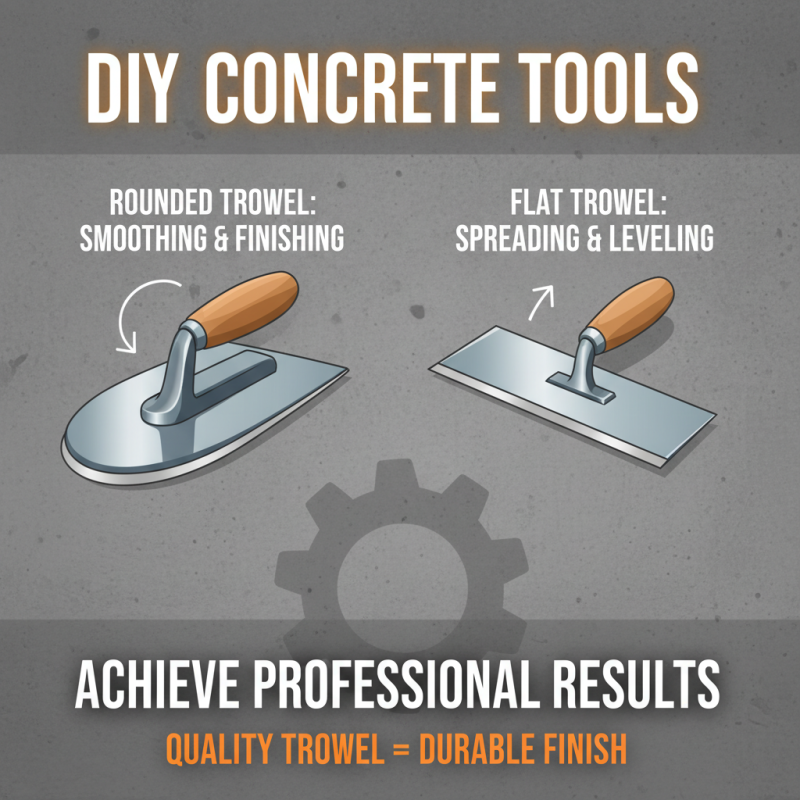
When embarking on DIY concrete projects, having the right tools is crucial to achieving professional results. One of the essential tools for any concrete enthusiast is a sturdy trowel. This tool is pivotal for smoothing out surfaces and creating a flawless finish. Trowels come in various shapes and sizes; a rounded trowel is ideal for finishing while a flat trowel works well for spreading and leveling. Investing in a quality trowel can significantly enhance the look and durability of your concrete work.
Another critical piece of equipment is a concrete mixer. While small projects can sometimes be completed with a mixing bucket and a shovel, a concrete mixer saves time and effort, providing a consistent mix. A portable mixer allows DIYers the flexibility to tackle larger projects with ease. Furthermore, having proper safety gear, such as gloves, goggles, and a dust mask, is essential to protect yourself while working with concrete. These tools not only enhance safety but also enable you to focus on achieving the best possible results for your DIY endeavors.
Understanding the Basic Functions of Each Tool
When embarking on a DIY concrete project, it's essential to understand the basic functions of each tool involved. A well-equipped toolkit not only boosts efficiency but also enhances the quality of the finished work. The foundational tools necessary for any concrete enthusiast include a trowel, a float, a screed, and a mixer. Each tool serves a unique purpose: the trowel is used for shaping and smoothing surfaces, the float helps achieve a finer finish, and the screed is essential for leveling the concrete. According to industry reports, utilizing the right tool can significantly reduce project time by as much as 20%, allowing DIY enthusiasts to complete their tasks more efficiently.
Moreover, the importance of proper tool maintenance cannot be overstated. Regularly cleaning and inspecting tools can prolong their lifespan, ensuring that they operate effectively when needed. Research indicates that a well-maintained tool can last up to 50% longer than one that is neglected, ultimately saving costs in the long run. This highlights the necessity of understanding not just how to use these tools, but also how to care for them. By mastering these practical aspects, DIY enthusiasts can elevate their concrete projects, resulting in professional-grade outcomes that stand the test of time and visibility in the community.
Essential Concrete Tools and Their Functions
This chart illustrates the various essential concrete tools used by DIY enthusiasts, along with their basic functions. Each tool is represented by its frequency of usage in DIY projects, indicating the importance of having these tools on hand.
Tips for Selecting Quality Concrete Tools
When selecting quality concrete tools, the first step is to consider the specific needs of your project. Different tasks may require different tools; for example, mixing concrete may need a durable mixer, while finishing may require trowels and floats. Always choose tools that are designed for their specific purpose, as this will ensure better performance and longevity. Look for tools that are made from high-quality materials, as they tend to withstand the rigorous demands of concrete work better than cheaper alternatives.
Next, assess the ergonomics and weight of the tools. Heavy or poorly balanced tools can lead to fatigue and discomfort during extended use, which can hinder your efficiency and consistency. Opt for tools that offer a comfortable grip and are balanced well, making them easier to handle.
Additionally, check reviews and feedback from other DIY enthusiasts to gain insights into the durability and performance of the tools you’re considering. This research will help you make informed decisions and invest in tools that will serve you well for many projects to come.
Best Practices for Using Concrete Tools Safely
When working with concrete tools, safety should always be the top priority for any DIY enthusiast. One of the most essential practices is to wear appropriate personal protective equipment (PPE). This includes safety goggles to protect your eyes from dust and debris, gloves to safeguard your hands from rough materials and potential chemical irritants, and sturdy footwear to prevent injuries from heavy objects. Additionally, consider using a dust mask when cutting or grinding concrete to avoid inhalation of harmful particles.
Another critical aspect of safe concrete work is ensuring that your tools are well-maintained and correctly used. Before starting any project, inspect your tools for any damage or wear and tear, replacing anything that could compromise safety. Familiarize yourself with the operating guidelines of each tool, paying close attention to features like proper handling techniques and speed settings. Keeping your workspace organized is equally important; a clutter-free area reduces the risk of accidents and allows for better mobility as you work. Always remember to follow recommended safety protocols and keep first aid supplies within easy reach should any minor injuries occur.
Essential Concrete Tools Tips for Every DIY Enthusiast
| Tool |
Best Practice |
Safety Tips |
Maintenance |
| Concrete Mixer |
Mix in small batches for better consistency. |
Always wear a dust mask when pouring dry materials. |
Clean thoroughly after each use to prevent clogs. |
| Trowel |
Use the right size trowel for your project scale. |
Keep your hands dry to maintain grip. |
Sharpen regularly for clean edges. |
| Concrete Vibrator |
Use to eliminate air bubbles for a smooth finish. |
Avoid contact with wet cement. |
Inspect cords and connections before use. |
| Level |
Ensure even pour by checking frequently. |
Handle with care to avoid inaccurate readings. |
Store in a protective case when not in use. |
| Concrete Saw |
Use a wet saw to reduce dust. |
Wear protective goggles and gloves. |
Check blade condition before each session. |
Maintenance and Care for Your Concrete Tools
Maintaining your concrete tools is crucial for ensuring their longevity and optimal performance. Regular cleaning is the first step in proper maintenance. After using tools like trowels, floats, or mixers, it's essential to wash off any concrete residue and debris. This helps prevent rusting and ensures that your tools remain in good working order. Additionally, for tools that come into contact with wet concrete, consider using a protective spray or oil to create a barrier that makes cleaning easier in the future.
Storage also plays a significant role in maintaining your concrete tools. Keep them in a dry, cool place to avoid exposure to moisture, which can lead to corrosion. Hanging tools on a wall or using a dedicated toolbox can help keep them organized and prevent damage. For tools with wooden handles, periodically check for splinters and treat them with linseed oil to maintain smoothness and prevent cracking. By following these maintenance tips, DIY enthusiasts can extend the life of their concrete tools and improve their overall effectiveness in various projects.