
top of page

How to Choose a Discharge Hose Coupler in 2026?

Selecting a Discharge Hose Coupler is a small decision with practical consequences. A poor match can leak, loosen under vibration, or slow work at the pump. The right choice depends on the fluid, operating pressure, temperature, hose construction, and connection standard—not appearance alone. Fit is not enough.

Start with recognized technical guidance. ISO 8331:2014 provides guidance for rubber and plastics hoses and hose assemblies, while NAHAD’s Hose Safety Institute materials address hose assembly selection, inspection, and safe use. These sources help frame the questions buyers should ask; they do not replace the coupler manufacturer’s current technical data sheet. Check the stated working pressure, temperature range, materials, and assembly method for the exact product. A coupling that looks compatible may still have an unsuitable seal or retention system.

Then consider the job site. Will the hose carry water, slurry, fuel, or a cleaning solution? Will workers connect it repeatedly with gloves on, or leave it exposed to grit and weather? Record the hose’s measured inside diameter and identify its fitting type before comparing options. One detail is easy to overlook: the hose and coupler must be assessed as an assembly, not as separate catalog items. Published product data can narrow the choices, but field conditions still matter. That part deserves a second look. This guide explains how to compare connection style, material, pressure rating, and maintenance needs when choosing a Discharge Hose Coupler in 2026.
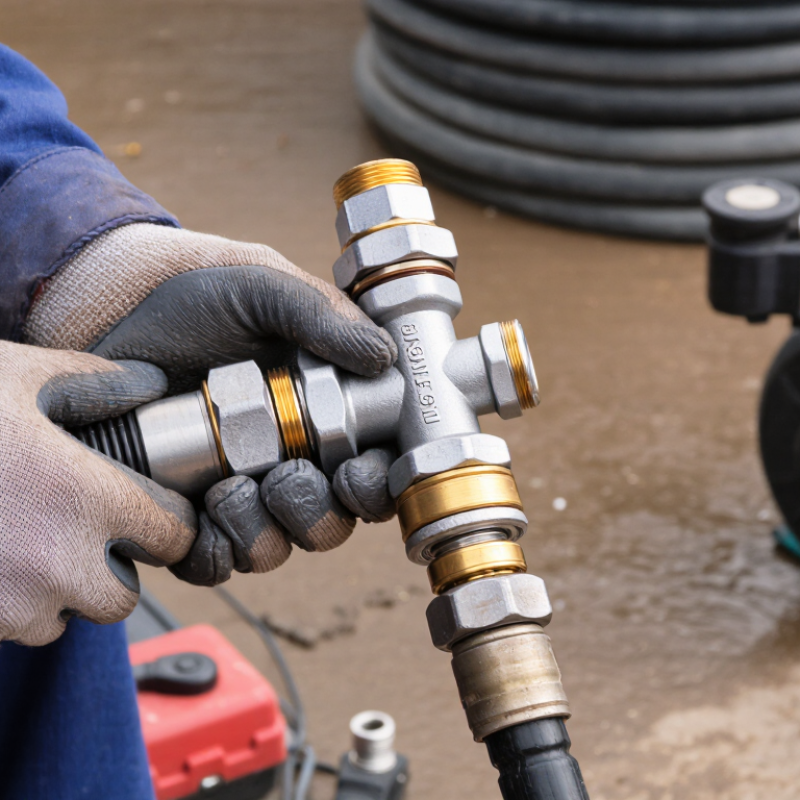
How to Choose a Discharge Hose Coupler in 2026?

Identify the Discharge Hose’s Application and Operating Conditions

How to Choose a Discharge Hose Coupler in 2026?

Start with the medium and the job. Record whether the hose carries clean water, wastewater, chemicals, or abrasive slurry. Note solids, temperature, and any cleaning agents; these details affect seal and coupler material compatibility. Water is not always just water. Check the hose’s inner diameter and required flow, then confirm the coupler connection fits the hose end without creating a sharp restriction.

Operating conditions matter just as much. Confirm normal and maximum working pressure, including pump-start surges, and compare them with the ratings of the hose, coupler, and seals. The lowest-rated component sets the safe working limit. The U.S. Department of Energy’s Improving Pumping System Performance: A Sourcebook for Industry estimates that pumping systems use nearly 20% of global electricity and 25–50% of energy in some industrial facilities. That context makes a well-matched flow path worth checking, though the report is not a coupler-selection guide. Field readings can be imperfect, so verify pressure and temperature at the actual connection point when possible.

Tips: Photograph the hose end, measure its inside diameter, and log fluid, temperature, and pressure before ordering. Recheck the fit after installation; a quick visual check can miss a mismatched seal.

Match Coupler Size, Hose Diameter, and Connection Type

Choosing a discharge hose coupler starts with measurements, not appearance. Check the hose’s inside diameter and compare it with the coupler’s stated size. A close fit matters. A loose connection may leak or pull free under pressure, while a forced fit can damage the hose. Small differences count. Confirm whether the size refers to the hose bore or the fitting itself. Then identify the connection type: threaded, cam-and-groove, or another quick-connect style. Check thread size, gender, and sealing method. A matching diameter with the wrong connection still will not work.

Consider the job conditions before selecting materials. Water, slurry, and other fluids can affect seal and coupler compatibility. Check the rated working pressure and temperature against the pump and hose specifications, including startup surges. A reducer may solve a mismatch, but it can restrict flow; avoid adding one without a clear need. On site, lay the hose straight and inspect how the coupler seats. Does the gasket sit evenly? Is the clamp secure without crushing the hose? These checks take little time. I would still recheck after the first pressurized run, because a connection that looks right when dry may shift once the hose moves.

How to Choose a Discharge Hose Coupler in 2026

Match the coupler’s nominal size to the hose’s nominal inside diameter, then confirm the connection type.

How to read this chart: The millimeter values are inch-to-millimeter conversions of the nominal hose sizes. Choose a coupler with the same nominal size, but check the hose’s actual inside diameter and the coupler’s specifications before ordering. The connection type—such as cam-and-groove, threaded, or another fitting—must also match.

Choose Coupler Materials for the Fluid and Environment

Start with the fluid, not the catalog. Water, slurry, fuel, and cleaning solutions can affect coupler materials differently, even when they look similar. For clean water, aluminum may offer a lighter option; stainless steel is often considered where corrosion resistance matters. Still, check the exact fluid, concentration, and temperature against current compatibility data. Looks can mislead.

Then consider the job site. Salt spray, fertilizer residue, frequent washdowns, and grit can change how a coupler ages. Brass may suit some applications, while certain polymers can reduce weight or resist specific chemicals; neither is universal. An abrasive slurry may wear surfaces quickly, and cold conditions can make some materials less forgiving. Small details matter.

Match the material to the hose, gasket, and connection method, not just the liquid. Confirm working pressure and temperature ratings for the complete assembly, since the coupler rarely works alone. If the fluid is unusual or exposure varies, request written compatibility guidance and test a sample under realistic conditions. I would not treat a quick visual check as proof; that shortcut is tempting, but imperfect.

How to Choose a Discharge Hose Coupler in 2026? — Choose Coupler Materials for the Fluid and Environment
Fluid or Service Material to Consider Why It May Fit Environmental Factors Important Checks
Water transfer and general-purpose service Aluminum Lightweight and commonly used for water-discharge hose connections. Convenient where reducing handling weight matters; may corrode in some wet or salty environments. Check the water chemistry, exposure to salt, pressure rating, and compatibility with the mating connection.
Fuel, oils, and general non-corrosive liquids Brass Often used for fluid connections and offers good corrosion resistance in many ordinary service conditions. Suitable for many indoor and outdoor applications, but not for every chemical or atmosphere. Confirm compatibility with the exact fluid and any additives. Avoid assuming brass is suitable for ammonia or strong acids.
Corrosive liquids or demanding washdown service 316 stainless steel Provides broad corrosion resistance and is commonly selected for more demanding environments. Useful in many humid or chemical-exposure settings; chloride-rich conditions can still cause pitting or crevice corrosion. Verify chemical concentration, temperature, chloride exposure, and the coupler’s pressure rating.
Less corrosive industrial or utility service 304 stainless steel Offers corrosion resistance for many general applications and is typically considered where 316 is not required. May be unsuitable for prolonged exposure to high-chloride or highly corrosive environments. Compare the expected exposure with the manufacturer’s material-compatibility data.
Many acids, alkalis, and other compatible chemicals Polypropylene Can resist a range of chemicals and does not rust. May be a practical choice in corrosive settings, but can be more vulnerable to impact, heat, and mechanical stress than metal. Check chemical compatibility at the actual concentration and temperature, plus pressure, UV exposure, and connection design.
Heavy-duty water, slurry, or industrial discharge Ductile iron Provides a strong, robust option for applications where mechanical durability is important. Heavier than aluminum or plastics; exposed or damaged surfaces may corrode, especially in wet environments. Check lining or coating suitability, abrasion conditions, operating pressure, and the weight supported by the hose assembly.
Non-corrosive service where strength and cost are key factors Carbon steel Can provide a durable metal connection for suitable industrial applications. Unprotected steel can rust when exposed to moisture or corrosive atmospheres. Confirm coating or lining compatibility with the fluid, and inspect for corrosion or coating damage during service.

Selection note: Material compatibility depends on the fluid’s composition, concentration, temperature, and exposure time. Also confirm the coupler style, hose attachment method, seal material, pressure and temperature limits, and applicable safety requirements before use.

Check Pressure Ratings, Sealing, and Safety Requirements

A discharge hose coupler must match the hose’s working pressure, not just its diameter. Check the rating at the expected fluid temperature, then account for surges from pump starts, valve closures, or a kinked line. ISO 7751:2016 sets proof- and burst-pressure ratios by hose category; it does not provide one universal multiplier for every assembly. Verify the hose and coupler specifications together. The weakest component sets the practical limit.

Sealing matters just as much. Confirm that the gasket material suits the fluid and temperature, and inspect the sealing face for grit, cuts, or dents. A coupler that feels tight can still leak under pressure. Small leaks matter. Check locking pins and latches for full engagement, especially where a hose may move or vibrate. I have seen fit and pressure ratings get attention while worn seals are overlooked; it is an easy mistake to repeat.

Tips: Compare the hose, coupler, and gasket ratings before use. Follow the manufacturer’s inspection and test instructions, and replace damaged parts rather than improvising a seal. Never stand over a pressurized connection during testing.

Compare Installation, Maintenance, and Replacement Needs

A discharge hose coupler should match the hose diameter, fluid, operating pressure, and temperature range. A mismatch can cause leaks or strain at the connection. Cam-and-groove couplers can speed up frequent connections, while threaded styles may suit fixed setups. Check the manufacturer’s pressure rating for the complete assembly, not just the coupler. Small details matter.

Installation needs differ. Quick connections still require clean sealing faces and the correct gasket. Threaded fittings need careful alignment; forcing a cross-threaded connection can damage it. Before installation, isolate pressure and inspect the hose end for cuts or deformation. Tighten according to the fitting guidance, rather than relying on extra force. That part is easy to rush.

Maintenance depends on use and exposure. In dusty or abrasive settings, inspect couplers and gaskets more often for grit, cracks, flattening, or corrosion. A slow leak may point to a worn seal, but damaged threads or a distorted body usually call for replacing the coupler. Replace the gasket when it no longer seals reliably. Keep a record of inspection dates and recurring faults; it may reveal a pattern, though records alone cannot explain every failure. Check compatibility again when changing hose material or service conditions.

Article Source:

Concrete Products Unlimited

Mon-Fri 8AM - 5PM

Concrete products, wholesale Arizona river rock for landscaping, decorative rock, sand and gravel. Rock quarry located in Arizona and delivers throughout the USA.

©2003 by Concrete Products Unlimited

bottom of page