2026 How to Choose the Right 100 Ton Hydraulic Cylinder?
Choosing the right 100 Ton Hydraulic Cylinder is critical for various heavy-duty applications in industries like construction and manufacturing. According to a recent market analysis by Research and Markets, the hydraulic cylinder market is projected to reach $15 billion by 2026. This growth underscores the importance of selecting a cylinder that meets specific operational needs.
Expert Joe Thompson, a hydraulic engineering consultant, emphasizes, “The efficiency of your hydraulic system largely depends on the cylinder’s proper selection.” When choosing a 100 Ton Hydraulic Cylinder, factors such as load capacity, stroke length, and environmental conditions should be assessed. Many overlook these details, leading to inefficiencies or even equipment failures.
Understanding the specifications and requirements is essential. A mismatch in selection can result in increased downtime and repair costs. The constant evolution in technology also means that relying on outdated information can be detrimental. A cylinder that might have worked in the past may not meet today's demands. Thus, careful consideration and expert insight are crucial for optimal performance.
Understanding the Specifications of 100 Ton Hydraulic Cylinders
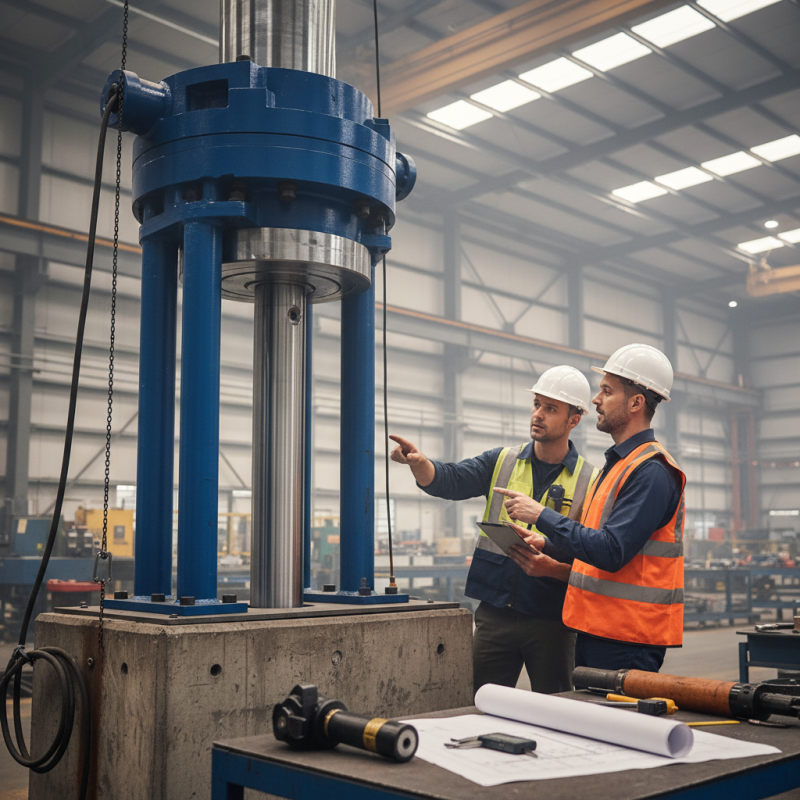
When choosing a 100-ton hydraulic cylinder, understanding its specifications is essential. Key specifications to consider include stroke length, bore size, and pressure rating. The stroke length dictates how far the cylinder can extend. A longer stroke offers greater versatility but may require more space. Assess your project needs to ensure compatibility with the hydraulic system.
Bore size is another critical factor. It impacts the cylinder's overall force generation. A larger bore can accommodate higher pressures but may weigh more. Balance is key. Knowing your machine's limits is crucial for safety and precision.
Finally, consider the quality of the materials used in the cylinder's construction. Reliable materials lead to greater durability and less frequent maintenance. Some manufacturers may cut corners, leading to performance issues. Always inspect the cylinder for any signs of defects. Remember, your choice significantly affects efficiency and safety. Reflect on these factors before making a decision.
Key Factors in Selecting the Right 100 Ton Hydraulic Cylinder Type
Selecting the right 100-ton hydraulic cylinder requires careful consideration of several key factors. Firstly, the application type greatly influences the decision. For instance, lifting heavy machinery demands different specifications compared to pressing tasks. According to industry reports, 30% of operational failures stem from mismatched cylinder capabilities, underscoring the importance of aligning cylinder specifications with operational needs.
Material selection also plays a crucial role in cylinder durability. Steel cylinders may offer higher strength but come at a weight cost. Aluminum alternatives are lighter and corrosion-resistant but could compromise load capacity. A study by the Hydraulic Institute revealed that 40% of users reported challenges related to material fatigue. This suggests a need for continuous evaluation of material choices, especially under heavy loads.
Lastly, consider the cylinder’s configuration. Single-acting cylinders might be sufficient for simple lifts, but double-acting cylinders provide better control in dynamic applications. Research indicates that 25% of hydraulic cylinder failures occur due to inadequate support in variable load situations. Reflecting on these factors can help improve reliability and efficiency in hydraulic systems.
2026 How to Choose the Right 100 Ton Hydraulic Cylinder?
Industry Applications and Load Requirements for 100 Ton Hydraulic Cylinders
When selecting a 100-ton hydraulic cylinder, understanding industry applications is crucial. Various sectors rely on these powerful devices, including construction, manufacturing, and shipping. For instance, in construction, equipment such as excavators and cranes often use hydraulic cylinders for lifting and moving heavy materials. According to a report by Global Industry Analysts, the hydraulic cylinders market is projected to grow at a CAGR of 5.2% through 2027, emphasizing their rising demand across various applications.
Load requirements must be meticulously analyzed when choosing a hydraulic cylinder. Different operations impose varying stress levels on components. For example, heavy manufacturing may require cylinders that can withstand irregular loads due to shifting machinery. A study by the International Journal of Advanced Manufacturing Technology highlights the importance of load fluctuation management to prevent cylinder failure. Factors such as operating pressure, stroke length, and mounting style must align precisely with operational needs to ensure reliability and efficiency.
Moreover, evaluating the working environment is vital. Hydraulic cylinders face exposure to harsh conditions, including temperature extremes and moisture. This environment can affect performance and lifespan. A failure in a critical system can lead to costly downtime and safety hazards. Decision-makers must ensure that the selected equipment is compatible with the specific conditions in which it will operate.
2026 How to Choose the Right 100 Ton Hydraulic Cylinder? - Industry Applications and Load Requirements
| Application | Load Requirement (Ton) | Stroke Length (mm) | Operating Pressure (bar) | Cylinder Type |
| Construction Equipment | 100 | 800 | 250 | Double-Acting |
| Manufacturing | 100 | 600 | 220 | Single-Acting |
| Mining Operations | 100 | 1000 | 300 | Telescopic |
| Shipping Industry | 100 | 750 | 240 | Multi-Stage |
| Agriculture | 100 | 500 | 210 | Double-Acting |
Hydraulic Cylinder Maintenance: Ensuring Longevity and Efficiency
Hydraulic cylinders play a crucial role in various industries, providing power and efficiency in lifting and moving heavy loads. To ensure their longevity, regular maintenance is essential. A well-maintained hydraulic cylinder can withstand high pressure and extended usage. Start with routine inspections. Look for signs of wear, leaks, or unusual noises. Addressing these issues promptly can prevent more significant problems later.
Next, focus on lubrication. Properly lubricating cylinder rods and seals prevents friction and wear. Use the right type of hydraulic fluid, as it affects performance and seal integrity. Remember, not all fluids are created equal. Monitor fluid levels and replace the fluid as needed. Contaminated fluid can lead to failures, so filtration systems are important.
Finally, don’t overlook storage practices. Improper storage can lead to corrosion and damage over time. Store cylinders in a dry, controlled environment. Regularly clean them to remove dirt and debris that can cause wear. Reflect on your maintenance habits. Are they proactive or reactive? Evaluating your practices can lead to improved reliability and efficiency in your operations. Making small changes today can yield significant benefits tomorrow.
Comparative Analysis of Leading Brands and Their 100 Ton Models
When selecting a 100-ton hydraulic cylinder, various leading brands offer different models, each with unique features. It's crucial to consider the lifting capacity, stroke length, and overall design. Look for cylinders that demonstrate reliable performance and robust construction. Some brands excel in durability, while others shine in precision engineering.
Tips for choosing the right hydraulic cylinder: Focus on the specifications that align with your application. A longer stroke may suit some tasks better than a heavier capacity. Assess how each model performs under pressure. Read user reviews and conduct in-depth research on brand reputations.
Don't ignore potential red flags. Some models may advertise higher tonnages but deliver inconsistent performance. Look for cylinders that have passed rigorous testing. Verify if there are any regulatory certifications. Your choice should reflect both performance and safety. This ensures not only efficiency but also protects your investment in the long term.