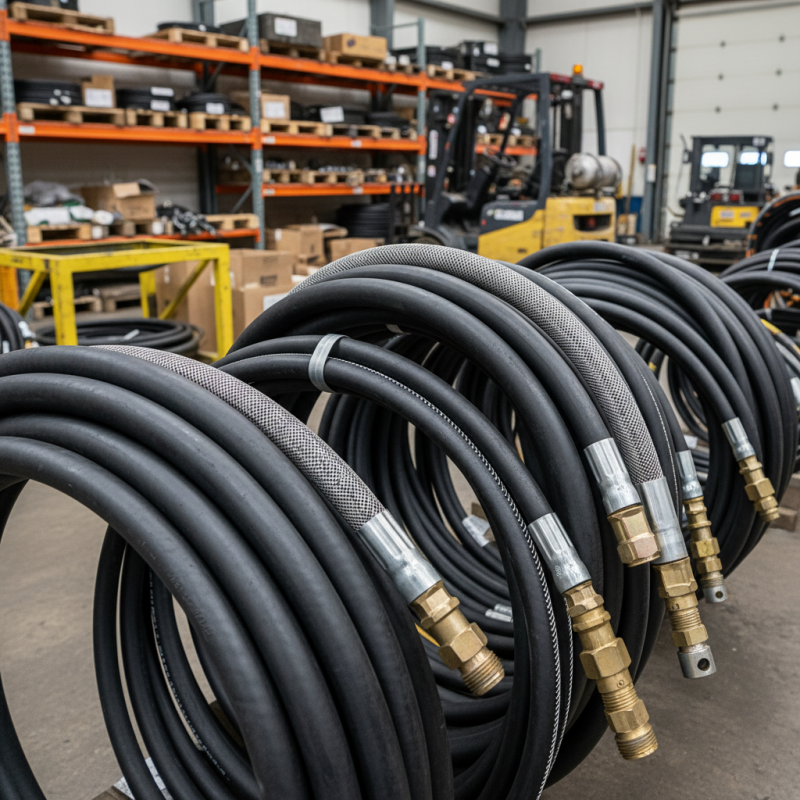
What is a Hydraulic Hose for Sale and How to Choose One?
When looking for a hydraulic hose for sale, understanding your needs is crucial. Hydraulic hoses transport fluids under high pressure for various applications. They are essential in construction, manufacturing, and agricultural machinery. Choosing the right hose can prevent costly failures.
Consider the specifications of the hydraulic system. The right diameter, pressure rating, and temperature range are vital. You might feel overwhelmed by options available on the market. This confusion leads to mistakes that can be avoided with proper knowledge.
Remember, price isn’t everything. Quality matters more than the lowest cost. Sometimes cheaper hoses can cause leaks or breakage. This can result in significant downtime and repairs. Reflect on your application and the demands it places on the hose. Investing in a suitable hydraulic hose pays off in the long run.
What is a Hydraulic Hose and Its Functions?
A hydraulic hose is a crucial component in machinery and systems that require fluid power. It is designed to transport various fluids under pressure. The strength of the hose material allows it to withstand high pressure while remaining flexible. Typically made from rubber or synthetic materials, a hydraulic hose can handle various temperatures and harsh conditions. This versatility makes it essential in automotive, industrial, and construction sectors.
Understanding the functions of a hydraulic hose is vital. It connects different parts of machinery, facilitating the transfer of hydraulic fluids. These hoses help in controlling speed and force in mechanical operations. However, not all hoses are created equal. Choosing the wrong type can lead to leaks or failures. Inspecting the hose for wear and tear is critical. Many overlook this simple step. Regular maintenance can save significant costs in the long run. Consider the size, pressure rating, and compatibility with fluids. Don't rush this decision; it affects overall efficiency.
Types of Hydraulic Hoses Available for Sale
When selecting a hydraulic hose, it's essential to understand the types available. Common types include rubber hoses, thermoplastic hoses, and stainless steel hoses. Rubber hoses are flexible and suitable for general purposes. They can handle high pressures, but they may wear out faster. Thermoplastic hoses offer lightweight construction. They are resistant to abrasion and offer long service life. Stainless steel hoses excel in high-temperature and high-pressure applications. They provide durability but are heavier and less flexible.
**Tips:** Consider the environment where the hose will be used. Factors like temperature and pressure should influence your choice. Check the compatibility with fluids as well. This can prevent failures.
Another factor is the size. Ensure that the hose diameter matches your system requirements. A hose too small can restrict flow. Conversely, a hose too large may not fit the connections properly. Pay attention to the fittings as well. Selecting the right type is crucial for a secure connection.
**Tips:** Always inspect hoses for wear or damage. Regular maintenance can extend the lifespan. If in doubt, consult a professional for guidance. Understanding your needs will lead to better choices.
Types of Hydraulic Hoses Available for Sale
Key Factors to Consider When Choosing a Hydraulic Hose
Choosing the right hydraulic hose involves considering several essential factors. First, assess the hose's size and diameter. The dimensions must match your hydraulic system's specifications precisely. Overly large or small hoses can lead to inefficiencies. Check the length too; excess hose leads to pressure loss. It's a detail you don't want to overlook.
Next, think about the pressure rating. Hydraulic systems operate under high pressure. Select a hose that can withstand your system's maximum pressure without bursting. Ensure it has a safety margin. The material is vital. Rubber hoses are flexible but may not last as long as synthetic alternatives. Factor in the operating temperature, as materials respond differently under heat.
Lastly, consider environmental conditions. Will the hose be exposed to chemicals, oils, or extreme weather? Some materials resist these better than others. These nuances can greatly impact performance. Reflect on these aspects carefully. It’s easy to overlook small details, but they can make a difference in efficiency and safety.
Common Applications of Hydraulic Hoses in Various Industries
Hydraulic hoses play a critical role across various industries. They transfer fluid to power machinery, lift equipment, and operate tools. In construction, hydraulic hoses are used in excavators and cranes. They endure high pressures and must be reliable. Without proper hoses, machines can fail, leading to costly downtime.
In the agricultural sector, these hoses connect to tractors and irrigation systems. They help in planting, watering, and harvesting crops. Farmers must choose hoses that withstand weather conditions and rough use. Similarly, in the manufacturing industry, hydraulic hoses power assembly lines and conveyor belts. Most require durable materials that resist wear and tear.
Choosing the right hydraulic hose can feel overwhelming. The options are vast, and not all hoses are suitable for every task. It's essential to consider factors like pressure ratings and temperature ranges. Inadequate hoses can lead to leaks or bursts. This can be dangerous and economically damaging. Testing hoses in real-life situations might be beneficial. Understanding specific needs could prevent mistakes. Facing challenges is part of the journey in selecting the right hydraulic hose.
Maintenance Tips for Ensuring Hydraulic Hose Longevity
Hydraulic hoses are essential in many industries. Proper maintenance can ensure their longevity and efficiency. Regular inspections are key. Check for signs of wear or damage. Look for abrasions, cracks, or bulges. These small issues can lead to bigger problems over time.
Keeping hoses clean is also crucial. Dirt and debris can cause blockages and wear. Use a soft cloth for cleaning. Avoid harsh chemicals that might degrade the material. It’s vital to handle hoses carefully during installation. Kinking or bending can compromise the hose’s structural integrity.
Don’t forget about fluid compatibility. Ensure the hydraulic fluid used is suitable for the hose material. Incompatible fluids can lead to swelling or cracking. Lastly, store hoses properly when not in use. Exposing them to sunlight or extreme temperatures can reduce their lifespan. Keeping these practices in mind can help maintain your hydraulic hoses effectively.