top of page

China Top Carton Box Metal Detector Manufacturers?

Choosing among China’s top carton box metal detector manufacturers requires more than comparing prices. It requires practical knowledge of packaging lines, product sensitivity, and long-term service support. In this article, we examine how experienced suppliers design inspection systems for carton-packed food, medicine, and consumer products. The correct equipment should detect unwanted metal contamination without slowing production or damaging sealed cartons.

The term “Cartoon box metal detector” is often used online, although “carton box metal detector” is more accurate. Strong manufacturers usually provide stainless steel frames, stable conveyor systems, adjustable sensitivity, and automatic product rejection. They should also explain how the detector performs with wet products, foil packaging, vibration, and changing carton sizes. These details matter on a busy factory floor, where dust, noise, and uneven product spacing can affect inspection results.

Reliable suppliers support their claims with test records, calibration procedures, factory experience, and responsive technical service. Buyers should request sample testing before choosing a model. A carton passing through the aperture may look simple, but signal stability can vary between products. That is easy to underestimate. Some manufacturers also offer installation guidance, operator training, maintenance plans, and integration with existing production lines. However, no supplier should be judged by marketing language alone. Specifications, performance evidence, and after-sales communication deserve equal attention. This guide introduces practical evaluation points for identifying capable Chinese manufacturers and selecting equipment that fits real production conditions.

China Top Carton Box Metal Detector Manufacturers?

What Is a Carton Box Metal Detector?

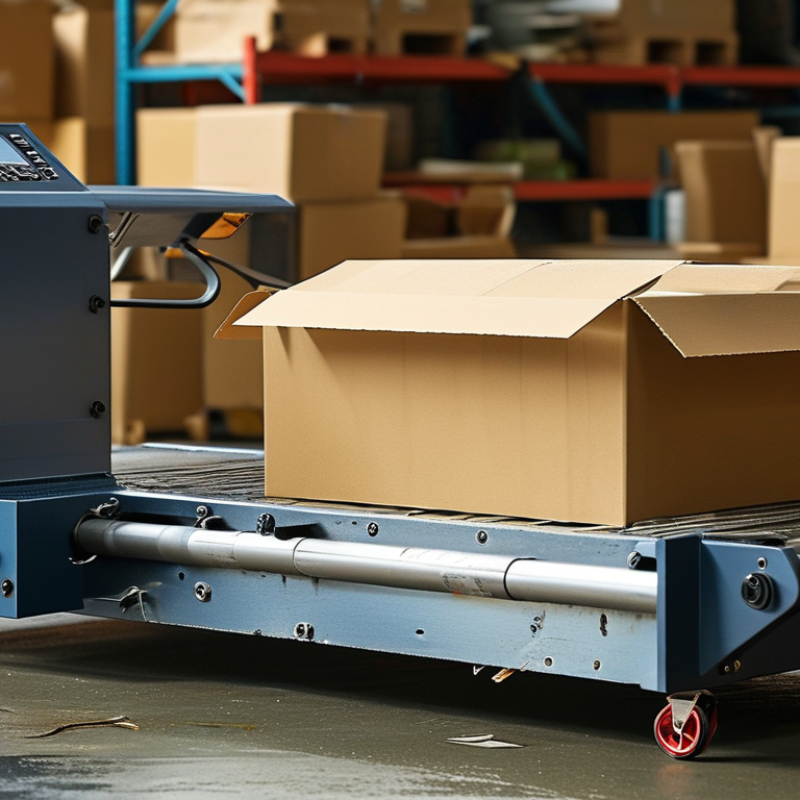
A carton box metal detector is an inspection machine for sealed cartons. It checks products for unwanted metallic fragments before shipment. Each carton passes through an electromagnetic field inside the detector aperture. If the signal changes, the system activates an alarm or rejects the carton. Some models use a pneumatic pusher, while others stop the conveyor for manual inspection. This equipment supports product safety and helps verify packaging quality.

In practical production, the detector usually sits after filling and sealing equipment. A conveyor carries every carton through a calibrated opening. Operators adjust sensitivity according to carton size, packaging material, and product characteristics. Moist contents and foil liners can create difficult signals. A stable testing routine matters more than an impressive sensitivity claim. Test pieces should be checked at shift changes and after adjustments. Operators should record results, clean the sensor area, and investigate repeated false rejects. This is where real operating experience becomes valuable.

When comparing China-based carton box metal detector manufacturers, buyers should request tests with their actual cartons and products. Confirm aperture size, conveyor speed, rejection method, alarm records, and service support. Reliable manufacturers explain operating limits instead of promising perfect detection. Installation training also affects long-term accuracy. Small alignment errors can reduce performance, yet they are easy to overlook. No setup is flawless. Regular verification remains necessary, even with advanced equipment.

How Carton Box Metal Detectors Work in Production Lines

How Carton Box Metal Detectors Work in Production Lines

Carton box metal detectors create a balanced electromagnetic field inside an aperture. A transmitter coil sends the signal, while receiver coils monitor disturbances. Metal fragments change the field and trigger an alarm or automatic rejection device. Ferrous, non-ferrous, and stainless-steel particles produce different signal responses. Belt speed, aperture size, product orientation, and carton moisture affect detection sensitivity.

In practical carton lines, operators place certified test pieces inside sealed boxes. They normally test at the start, during operation, and after production changes. WHO reports that contaminated food causes about 600 million illnesses worldwide each year. This figure explains why routine verification matters, even when cartons appear clean. A detector should connect with a fail-safe reject system, locked access doors, and clear records.

Chinese manufacturers often offer customized conveyors and inspection apertures for different carton sizes. However, a strong specification is more important than a low quotation. The detector must handle vibration, electromagnetic noise, and frequent cleaning. Product effect can also create false rejects. That problem is easy to underestimate. A machine may pass a test piece but miss a fragment placed near the carton edge. Operators should therefore validate the weakest position, not only the easiest one. Data from every test should support later audits and maintenance decisions.

China Top Carton Box Metal Detector Manufacturers? - How Carton Box Metal Detectors Work in Production Lines
Data Dimension Typical Reference Data How It Applies to Carton Box Production Selection or Verification Point
Detection Principle A transmitter coil generates an alternating electromagnetic field. A receiver system detects changes caused by conductive metal passing through the aperture. Metal contamination inside sealed cartons, packs, or products can be detected without opening the package. Confirm that the detector uses a balanced-coil or equivalent industrial detection architecture suitable for conveyor operation.
Detectable Metals Ferrous metals, non-ferrous metals such as aluminum and copper, and stainless steel can be detected. Stainless-steel sensitivity is commonly lower than ferrous sensitivity. Useful for finding broken blades, wires, screws, staples, machine fragments, and metal particles introduced during packing or handling. Request separate test results for ferrous, non-ferrous, and stainless-steel contaminants rather than relying on one sensitivity figure.
Typical Test-Sphere Range Many industrial systems are validated with test spheres approximately 0.8–3.0 mm in diameter, depending on aperture size, product effect, speed, and detector design. Smaller apertures and stable, dry products generally allow better sensitivity than large apertures or products with strong electrical conductivity. Use certified test pieces and record the tested metal type, sphere diameter, product position, and conveyor speed.
Operating Frequency Industrial product metal detectors commonly use selectable frequencies from tens of kilohertz to several hundred kilohertz; some systems use multi-frequency operation. Frequency selection helps balance sensitivity for different contaminant types and reduces the influence of the product being inspected. Choose a system with frequency settings appropriate for carton contents, moisture level, salt content, foil packaging, and line speed.
Aperture Size Typical conveyor apertures range from approximately 200–800 mm in width and 100–400 mm in height, although custom dimensions are common. The carton must pass through the aperture with adequate clearance while avoiding an unnecessarily large opening that may reduce achievable sensitivity. Specify the maximum carton width, height, orientation, and required safety clearance before selecting the detector head.
Conveyor Speed Many packaging-line applications operate around 10–60 m/min. The actual limit depends on detector response time, carton spacing, and reject equipment. The detector must identify the contaminated carton and trigger the reject device at the correct downstream position. Verify detection performance at the highest planned production speed, not only during slow-speed testing.
Product Effect Moisture, salt, temperature, density changes, and conductive packaging materials can create an electrical signal similar to a metal signal. Cartons containing wet food, liquid-filled packs, foil, or high-salt products may be more difficult to inspect than dry paperboard products. Run product-specific learning or auto-phase setup using representative cartons from the actual production process.
Reject Methods Common mechanisms include air blast, pneumatic pusher, drop flap, diverter arm, and stop-and-remove systems. The reject device removes the suspected carton without damaging adjacent cartons or interrupting the complete production line. Match the reject method to carton weight, spacing, speed, allowable product loss, and available compressed air.
Detection Response Industrial systems typically provide an electronic detection signal followed by a configurable delay and reject duration. The delay compensates for the distance between the detector aperture and the reject point. Validate timing with the fastest line speed and the smallest carton gap to prevent wrong-product rejection.
Reject Confirmation Options may include a reject-bin sensor, air-pressure monitoring, flap-position feedback, and a second-pass verification sensor. Confirmation helps identify blocked reject bins, failed pneumatic action, or cartons that were not successfully removed. For critical applications, use reject confirmation with an alarm, line stop, or controlled quarantine procedure.
Ingress Protection IP65 is commonly used for protected industrial environments; IP66, IP67, or IP69K may be selected for frequent washdown areas when properly specified. Paperboard lines may produce dust, while food-packaging lines can require water-resistant construction and hygienic cleaning procedures. Check the protection rating of the detector head, conveyor, control cabinet, sensors, and reject assembly as a complete system.
Electrical Supply Industrial conveyor detectors commonly use single-phase supplies such as 100–240 V AC, 50/60 Hz, or a site-specific equivalent. Stable power supports consistent detector operation and reliable communication with the conveyor control system. Confirm voltage, frequency, rated current, grounding, isolation, and required control signals before installation.
Control Interfaces Common interfaces include digital input/output, relay contacts, Ethernet-based communication, and industrial fieldbus options. The detector can exchange running, fault, detection, reject, and line-stop signals with a programmable logic controller. Define the required I/O points and communication protocol during line-design review.
Environmental Temperature Many standard industrial systems are designed for approximately 0–40°C, while wider temperature ranges may be available for special environments. Temperature changes can affect electronic stability and product characteristics, especially in chilled or heated packaging areas. Check the specified operating range and allow the detector to reach stable operating conditions before validation.
Calibration and Testing Routine performance checks commonly use certified metal test pieces at defined intervals, such as start-up, product changeover, and scheduled quality checks. Testing demonstrates that the complete detection and rejection process remains effective during production. Maintain records of test results, product code, line speed, test-piece size, operator, and corrective action.
Installation Factors Vibration, nearby motors, variable-frequency drives, metal structures, poor grounding, and product accumulation can affect performance. Mechanical and electrical interference may cause false alarms or reduce stable sensitivity. Install the system on a rigid frame, separate it from strong interference sources, and follow the equipment grounding requirements.
Carton Spacing Required spacing depends on carton length, conveyor speed, detector response, and reject timing; a defined gap is necessary for reliable separation. Insufficient spacing can cause two cartons to be treated as one detection event or can interfere with accurate rejection. Determine the minimum gap during a full-speed trial with the actual carton dimensions.
Compliance Considerations Industrial equipment may need to meet applicable electrical safety, electromagnetic compatibility, machinery safety, and food-industry requirements. Compliance supports safe integration into automated packaging lines and customer quality systems. Request the applicable declarations, test documentation, user manuals, and validation procedures for the target market.

Key Features of Leading Chinese Manufacturers

Leading Chinese carton box metal detector manufacturers usually combine practical engineering with flexible production support. Their systems are designed for conveyor lines, packing stations, and carton sealing areas. Experienced teams study product size, moisture, packaging materials, and line speed before recommending a detector. This matters because a setting that works for dry cartons may perform differently near dense packaging components.

Key features often include stainless-steel construction, touchscreen controls, adjustable sensitivity, and automatic reject functions. Reliable models can record inspection results and show simple fault messages for operators.

Some manufacturers also provide test samples, installation guidance, and remote technical support. These details reduce adjustment time during daily production.

Not every solution is perfect.

A responsible manufacturer should explain detection limits clearly. Product testing should cover different carton sizes, temperatures, and conveyor speeds. Calibration records, service response times, and spare-part availability also deserve close attention. In my experience, easy cleaning is often overlooked, yet dust and adhesive residue can affect long-term performance. Strong suppliers offer documented testing procedures and practical training instead of relying on impressive specifications alone. Their credibility grows through stable operation, traceable quality checks, and honest communication when a custom design needs revision.

How to Compare China’s Top Metal Detector Suppliers

When comparing China’s top carton box metal detector suppliers, examine more than catalog photos. Check their experience with corrugated lines, coated cartons, and different conveyor speeds. A reliable manufacturer should explain detection sensitivity, product aperture, installation limits, and environmental conditions in plain English. Ask for test results using your actual carton samples.

Request a recorded factory acceptance test. Ask the supplier to place certified test pieces at the center, edges, and product gaps. Review how the system responds to vibration, changing box sizes, and continuous production. Small details matter. Inspect the sensor housing, conveyor frame, reject mechanism, and control interface. Stainless construction may help in demanding areas, but only when the design matches your site.

Compare technical support with equal care. Confirm calibration procedures, spare-part availability, response times, and remote troubleshooting methods. Review the warranty line by line. A professional supplier should provide wiring diagrams, manuals, training, and installation guidance before shipment. Ask whether engineers can support commissioning in your region. Be cautious with unusually low prices; the missing cost may appear later in downtime or replacement parts. My own comparison mistake was judging sensitivity before checking service access. Performance looked impressive, but delayed support created avoidable pressure. Use a written scoring sheet covering detection performance, build quality, documentation, delivery, and total ownership cost. Request references from similar carton applications, not unrelated industries.

How to Compare China’s Top Carton Box Metal Detector Suppliers

A practical supplier comparison should focus on measurable purchasing factors rather than brand visibility. The chart below shows a realistic evaluation-weight model for carton-box metal detector sourcing.

Detection performance and compliance receive the highest weighting because they directly affect product safety, inspection reliability, and audit readiness. Build quality, after-sales service, and total cost should also be reviewed before making a final supplier decision.

Industries and Applications for Carton Box Metal Detection

Carton box metal detection serves several industries, but food packaging remains its most demanding application.

The WHO estimates that contaminated food causes 600 million illnesses annually worldwide. This figure explains why factories inspect sealed cartons before distribution. Detection systems can identify ferrous, non-ferrous, and stainless-steel particles. They commonly operate after filling, sealing, or case packing.

Bakeries, frozen-food plants, meat processors, and dairy facilities use carton inspection lines.

Pharmaceutical and personal-care factories also inspect cartons before release. The FDA Food Code 2022 supports preventive controls and contamination-risk management. BRCGS Food Safety Issue 9 also emphasizes documented foreign-body controls and verification.

Practical validation requires certified test pieces, usually placed near the carton’s center and edges. Operators should record sensitivity, reject timing, and alarm responses.

Wet products, foil packaging, vibration, and high-speed conveyors can reduce performance. Product effect matters.

A detector is not a magic shield.

Specifications may look impressive but ignore actual carton conditions. For buyers evaluating manufacturers in China, request factory trials using real products and carton sizes. Ask for challenge-test records, reject confirmation, password control, and service procedures.

Periodic calibration remains essential. Small gaps in testing can become large quality problems. Industry reports often highlight automation growth, yet human checks still deserve attention.

A reliable system combines stable equipment, trained operators, and honest verification records.

Article Source:

Concrete Products Unlimited

Mon-Fri 8AM - 5PM

Concrete products, wholesale Arizona river rock for landscaping, decorative rock, sand and gravel. Rock quarry located in Arizona and delivers throughout the USA.

©2003 by Concrete Products Unlimited

bottom of page