Discover Modular Capsule House Innovations at the 139th Canton Fair?
The 139th Canton Fair presents a unique opportunity to explore the innovative Modular Capsule House designs shaping the housing industry. As urbanization accelerates, innovative living solutions have become crucial. The global modular construction market is projected to reach 157 billion USD by 2026, driven by the need for affordable housing and sustainable practices.
Modular Capsule Houses exemplify a response to these challenges. These compact homes integrate advanced materials and technology, offering practicality in limited spaces. With features like energy efficiency and ease of assembly, they cater to diverse living scenarios. Yet, with innovation comes the responsibility of ensuring quality and sustainability. Reports indicate a need for strict compliance with industry standards, like ISO and CE certifications, to protect consumers and promote safety.
The Modular Capsule House trend reflects a complex landscape of opportunity and concern. While the potential for revolutionizing housing exists, the focus must remain on ethical construction and community impact. As we prepare for the Canton Fair, there is much to unpack about this exciting shift towards modern living solutions.
Overview of Modular Capsule House Trends and Innovations
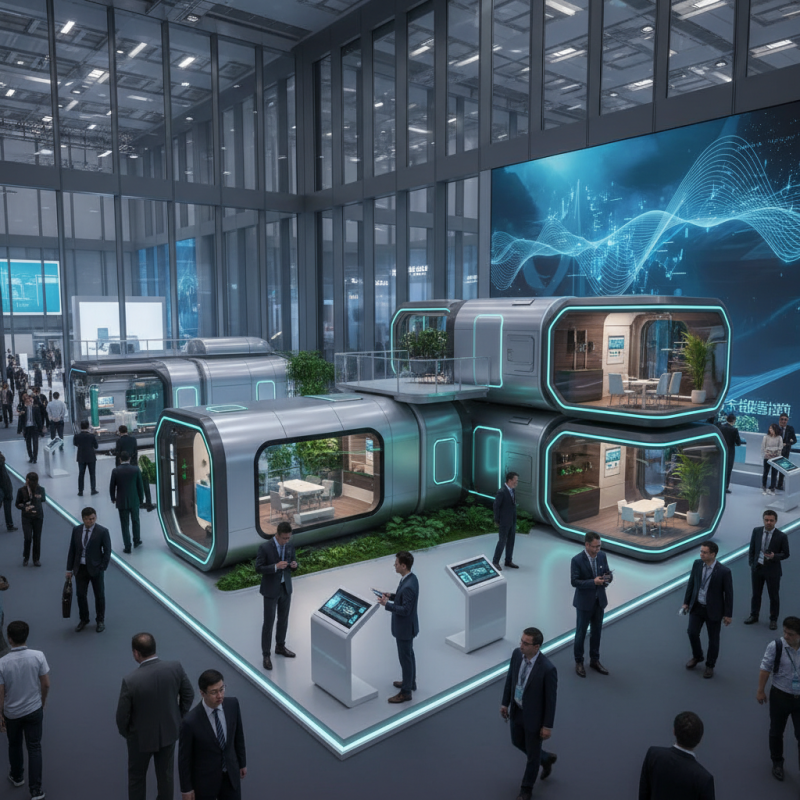
The 139th Canton Fair is showcasing remarkable trends in modular capsule house innovations. These structures are designed to maximize functionality in minimal spaces. Smart technology integration is becoming common. Modular homes now feature energy-efficient systems and eco-friendly materials. This trend promotes sustainability and reduces the carbon footprint.
The designs of these houses are versatile. They can fit into urban environments or rural landscapes. Some models utilize bright colors and unique shapes, which draw attention. However, challenges exist. Limited space can restrict creativity. Also, finding the right balance between aesthetics and functionality is difficult.
While modular capsule houses offer numerous benefits, some drawbacks need reflection. Maintenance can be tricky in compact designs. Homeowners may struggle with limited storage. The trend is evolving; however, the concept still requires refinement. The future lies in creating spaces that are not just innovative but also livable and comfortable.
Key Features and Advantages of Modular Capsule Homes
At the 139th Canton Fair, modular capsule homes are gaining attention. These innovative living spaces offer flexibility and convenience. Designed for urban living, they maximize small areas. You can find these capsules in various designs and configurations. Their simplicity calls for creative interior setups.
One key feature of modular capsule homes is their sustainability. Many are made from eco-friendly materials. This means lower environmental impact, which is a big plus. They often include energy-efficient appliances. This can help reduce electricity bills. However, adapting to the smaller spaces might require some adjustments.
Tip: Use multi-functional furniture to save space and enhance usability.
Another advantage is the rapid construction time. These homes can be assembled quickly, providing immediate housing solutions. However, some designs may compromise privacy or storage. It’s essential to weigh these factors in your choice.
Tip: Think about your lifestyle needs before choosing a design.
Overall, modular capsule homes present both exciting features and challenges. They represent a shift towards modern living. Embracing this trend could lead to unique living experiences.
Market Demand and Growth Statistics for Modular Housing Solutions
The modular housing market is rapidly evolving. A recent report from the Global Modular Housing Market Analysis indicates a growth rate of 7.5% through 2025. This is significant for industry stakeholders. Demand continues to surge, driven by urbanization and the need for affordable housing solutions.
Notably, modular homes can be constructed in as little as three months compared to traditional homes. This efficiency appeals to many buyers. However, some concerns remain regarding material sustainability and long-term durability. A study revealed that 30% of consumers worry about the quality of prefabricated structures.
Reports also show that 80% of millennials express interest in flexible living spaces. With remote work trends, they seek adaptable designs. Yet, market players must consider infrastructure challenges. Expanding production can strain local resources. The balance between speed and quality is crucial for future success.
Sustainability and Eco-Friendliness in Modular Construction Practices
At the 139th Canton Fair, innovations in modular capsule houses will stand out. These structures emphasize sustainability. They are designed to minimize environmental impact and promote eco-friendliness. Many manufacturers focus on renewable materials and energy-efficient designs.
Modular construction offers flexibility and speed. These homes can be assembled quickly, reducing material waste and saving time. However, the challenge remains in sourcing genuinely sustainable materials. Not all suppliers prioritize eco-friendly practices. This inconsistency can lead to high emissions and environmental concerns.
**Tip:** Always ask about the material sourcing when considering modular houses.
The design of these modular units also plays a crucial role. They often feature innovative features like solar panels and rainwater harvesting systems. Yet, not every modular home incorporates these elements. Some designs overlook local climate conditions, resulting in inefficiencies.
**Tip:** Research various designs and their environmental impacts before making a choice.
As the industry evolves, more focus is needed on authentic sustainable practices. Each step should prioritize the planet while meeting our housing needs. The conversation about sustainability in modular construction is ongoing but must not be ignored.
Discover Modular Capsule House Innovations at the 139th Canton Fair
| Innovation Type | Material Used | Sustainability Feature | Eco-Friendly Rating | Cost Estimate (USD) |
| Modular Prefabrication | Recycled Steel | Low Carbon Footprint | 4.5/5 | 25,000 |
| Green Roof Solutions | Biodegradable Materials | Improves Air Quality | 5/5 | 30,000 |
| Solar-Integrated Modules | Solar Glass Panels | Renewable Energy Source | 4.8/5 | 40,000 |
| Insulated Modular Walls | Recycled Wood Fiber | Energy Efficient | 4.2/5 | 22,000 |
| Water Management Systems | Eco-friendly Plastics | Rainwater Harvesting | 4.7/5 | 15,000 |
Case Studies: Successful Implementations of Modular Capsule Houses
The 139th Canton Fair showcased remarkable innovations in modular capsule houses. These designs promise flexibility and sustainability in modern living. Many exhibitors focused on creating efficient spaces that adapt to various needs.
One exciting case study featured a community project. It transformed vacant lots into livable spaces quickly. These capsule homes offer a cozy environment. They are designed for easy assembly and disassembly. However, some challenges arose during implementation. Not all sites are suitable for such structures.
Another project highlighted a temporary housing solution. After natural disasters, these modular homes provided immediate relief. They were both affordable and quick to set up. Yet, feedback pointed out limited sizes and layouts. Customization options were essential for diverse needs.
Modular Capsule House Innovations Implementation Overview
This chart illustrates the successful implementations of modular capsule houses based on various factors over the past year. The data represents advancements in technology, cost efficiency, environmental sustainability, and user satisfaction.