
top of page

What Is an Oil Tank and How Does It Work?

An Oil Tank is a container designed to store liquid petroleum safely until it is needed. It may sit above ground, below ground, inside a building, or beside a commercial facility. Its shape and material vary, but its purpose remains clear: contain oil, protect the surroundings, and support controlled delivery.

Philip E. Myers, a recognized storage-tank engineer and author, has emphasized, “A tank is only as reliable as the system around it.” That idea deserves attention. The tank itself is only one part of the operation. Fill pipes bring oil into the vessel. Vent lines manage pressure changes. A pump or gravity system moves oil toward its destination. Gauges show the remaining level, although gauges can become inaccurate. Small details matter.

Imagine a steel tank on a cold morning. Moisture may collect near the bottom. Sediment can settle there. A worn valve may drip slowly before anyone notices. These conditions can affect performance and create expensive maintenance problems. Regular inspections, leak monitoring, proper ventilation, and corrosion control help reduce those risks. Local technical requirements also matter, because installation standards differ by location and use.

The basic principle sounds simple. Store oil. Release oil. Yet real systems demand careful design and responsible operation. Tank age, fuel type, soil conditions, temperature, and maintenance history all influence reliability. Even experienced operators can overlook warning signs. That is why understanding how an Oil Tank works should include both the visible equipment and the less obvious supporting components.
What Is an Oil Tank and How Does It Work?

Oil Tank Definition and Core Components

What Is an Oil Tank and How Does It Work?

An oil tank is a sealed container designed to store liquid oil safely until equipment needs it. It may hold heating oil, lubricating oil, or process fuel. The tank’s size depends on daily consumption, available space, and required storage time. A sound tank limits leaks, reduces contamination, and keeps the fluid accessible.

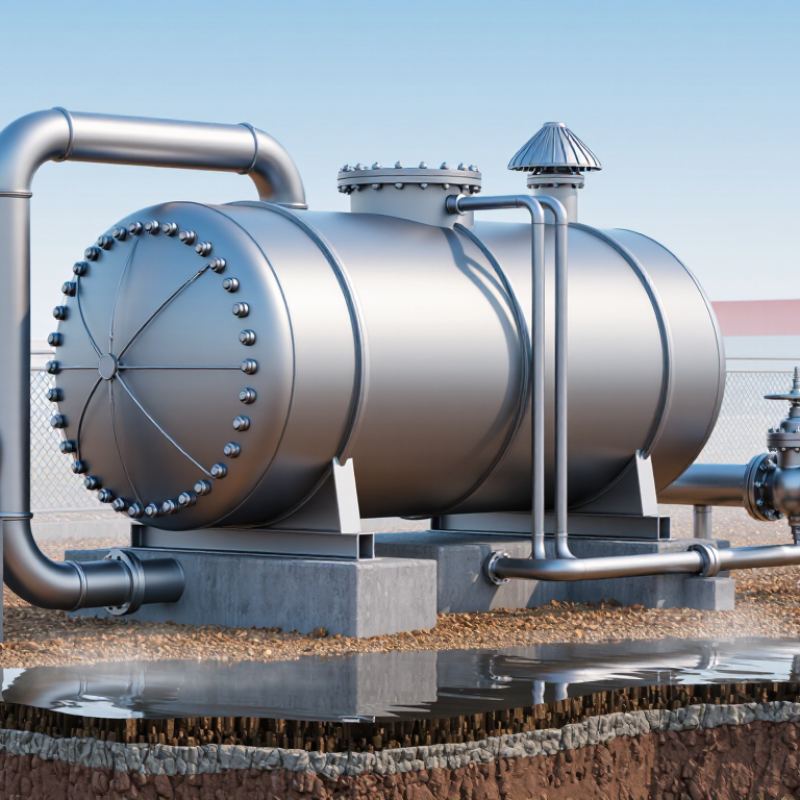
The tank shell forms the main storage chamber. Common core components include a fill pipe, vent pipe, outlet line, shutoff valve, and level gauge. The fill pipe guides oil into the tank, while the vent releases displaced air during filling. The outlet carries oil toward a burner, pump, or production system. A gauge shows the approximate level, but it can become inaccurate if damaged or poorly calibrated.

Support legs or saddles keep the tank stable and reduce contact with damp ground. Secondary containment provides an extra barrier beneath or around the tank. Inspection ports help technicians examine sediment, corrosion, and internal moisture. During inspections, a dry floor does not always prove the tank is sound. Corrosion can begin beneath supports or around fittings. That detail is easy to miss. Regular checks should examine seams, valves, pipe connections, and the surrounding surface. Maintenance records also improve reliability, although records can be incomplete or overlooked.

What Is an Oil Tank and How Does It Work?

An oil tank stores liquid fuel for later delivery to a burner, generator, or other oil-powered equipment. Its main components typically include a tank shell, fill pipe, vent pipe, outlet line, level gauge, shutoff valve, and secondary containment where required.

Typical nominal capacities: The chart compares common above-ground oil-tank capacities in US gallons and their exact metric equivalents. Actual usable volume may be lower because tanks require safety space and should not be filled completely.

How an Oil Tank Stores and Protects Its Contents

An oil tank stores liquid fuel in a controlled space, but its real job is protection. A steel shell resists pressure and impact. The roof limits water, dust, and sunlight exposure. Vents balance internal pressure during filling, withdrawal, and temperature changes. Without proper venting, pressure can stress the tank or distort its structure.

Protection also depends on details beneath the surface. The U.S. Environmental Protection Agency’s SPCC rule applies to facilities with more than 1,320 gallons of aboveground oil storage. It requires planning for leaks, drainage, and secondary containment. API 650 covers welded steel tank design, while API 653 inspection practices examine shells, roofs, bottoms, and foundations. These standards matter because corrosion often begins quietly around tank bottoms, seams, and water collection points. A tank may look sound and still need attention. That is an uncomfortable reality.

Tips: Keep the tank on a stable, level foundation. Check vents for blockage. Inspect seams, valves, and nearby soil for stains. Record product levels and unusual odors. Use a qualified inspector for thickness measurements and corrosion reviews. NFPA 30 also provides guidance on flammable and combustible liquid storage, including spacing and fire protection. Do not rely only on visual checks. Paint can hide corrosion, and clean floors can create false confidence. Small inspection gaps can become expensive problems.

The Step-by-Step Process of Oil Tank Operation

What Is an Oil Tank and How Does It Work?

An oil tank stores liquid fuel before controlled use. It may supply a home heating system, generator, or industrial burner. The U.S. Energy Information Administration’s Residential Energy Consumption Survey found that heating oil serves about 4% of American homes. That small share still represents millions of daily tank operations.

The step-by-step process begins when a delivery hose fills the tank through the inlet pipe. A gauge measures the rising level, while a vent releases displaced air safely. Inside, heavier water and sediment settle near the bottom. The outlet then draws cleaner oil toward a filter. A pump pushes the oil through the supply line at controlled pressure. The burner sprays a fine mist into a combustion chamber. Ignition creates heat, and the system transfers that heat to air or water. Some equipment returns unused oil through a separate line. Sensors stop the pump when pressure, temperature, or flame conditions become unsafe. The process sounds linear, but real systems are messier. Cold weather can thicken oil. Sediment can restrict flow.

Tips: Keep the gauge visible and record delivery dates. Inspect fittings for damp spots, rust, or unusual odors. The U.S. Environmental Protection Agency recommends regular tank checks because small leaks can contaminate soil and groundwater. Never ignore a damaged vent cap. A qualified technician should test alarms, filters, and shutoff controls. These checks seem minor, yet missed maintenance can interrupt heating and raise repair costs.

Common Types and Uses of Oil Tanks

An oil tank stores liquid fuel or industrial oil until equipment needs it. A pump transfers the oil through pipes, while vents balance internal pressure. The tank does not create pressure by itself. Its shape, material, and capacity depend on the intended use. Small differences matter.

Above-ground tanks are common for home heating, generators, farms, and workshops. They are easier to inspect and replace, but weather can accelerate rust. Underground tanks save space and protect the tank from temperature changes. However, leaks can remain hidden and require careful monitoring.

Double-wall tanks add a second barrier around the inner container. This design can reduce environmental risks when the inner wall fails. Plastic tanks resist some forms of corrosion and are often lighter, but they still need suitable foundations and temperature control.

Tips:

Place the tank on a stable, level surface. Keep clear access around valves, gauges, and inspection points. Check for damp patches, unusual smells, rust, or cracked fittings. A qualified technician should examine tanks used for heating or industrial systems. Never store oil near flames, blocked vents, or incompatible chemicals. Written inspection records can reveal gradual changes that memory misses. No tank is maintenance-free, although that is easy to forget. Even a clean-looking tank may hide corrosion beneath its base. Personally, I would treat a small warning sign as useful evidence, not an inconvenience.

Safety, Maintenance, and Environmental Considerations

What Is an Oil Tank and How Does It Work?

Safety, Maintenance, and Environmental Considerations

An oil tank stores liquid fuel for heating, machinery, or emergency power. It may stand outdoors, sit inside a building, or remain underground. A fill pipe brings fuel into the tank, while an outlet sends it to a burner or pump. A vent balances air pressure during filling and use. Without proper ventilation, pressure can build dangerously.

Safety, Maintenance, and Environmental Considerations

Safety begins with location and condition. Keep tanks away from ignition sources, vehicle impact, and blocked access. During routine checks, look for rust, damp patches, cracked fittings, unusual odors, or a rising fuel level without use. A small leak matters. Have qualified technicians inspect valves, gauges, supports, and connections according to local requirements. Overfill protection and emergency shutoff equipment also deserve regular testing. Never drill, weld, or modify a tank without professional guidance.

Environmental care requires more than preventing visible spills. Use suitable secondary containment, protect nearby drains, and keep an appropriate spill-response kit available. Underground tanks need specialized testing because soil can hide contamination for months. Even a clean-looking tank can fail beneath its surface. That is easy to forget. Keep inspection records, repair leaks quickly, and arrange fuel removal through authorized service providers when replacing or abandoning a tank. Local rules may require reporting, testing, or certified decommissioning. A checklist helps, but it cannot replace careful judgment.

Article Source:

Concrete Products Unlimited

Mon-Fri 8AM - 5PM

Concrete products, wholesale Arizona river rock for landscaping, decorative rock, sand and gravel. Rock quarry located in Arizona and delivers throughout the USA.

©2003 by Concrete Products Unlimited

bottom of page