What is Pu Foam Filler and How Can It Benefit Your Projects?
Pu Foam Filler is a versatile material gaining popularity in various industries. According to a report by ResearchAndMarkets, the global polyurethane foam market is expected to grow significantly, reaching $97.5 billion by 2027. This growth highlights the increasing adoption of PU foam in construction, automotive, and other sectors.
One key advantage of PU Foam Filler is its excellent insulation properties. It reduces energy costs and improves thermal efficiency in buildings. Detailed studies indicate that using PU foam can lower energy consumption by up to 30% in residential applications. However, some may overlook the environmental impact of PU foam production. Although it offers many benefits, the chemical process raises concerns about sustainability.
Incorporating PU Foam Filler in your projects can be a game-changer. Its ability to expand and fill gaps ensures enhanced durability and stability. Despite the potential drawbacks, its advantages often outweigh the negatives. Understanding these elements is crucial for effective project planning.
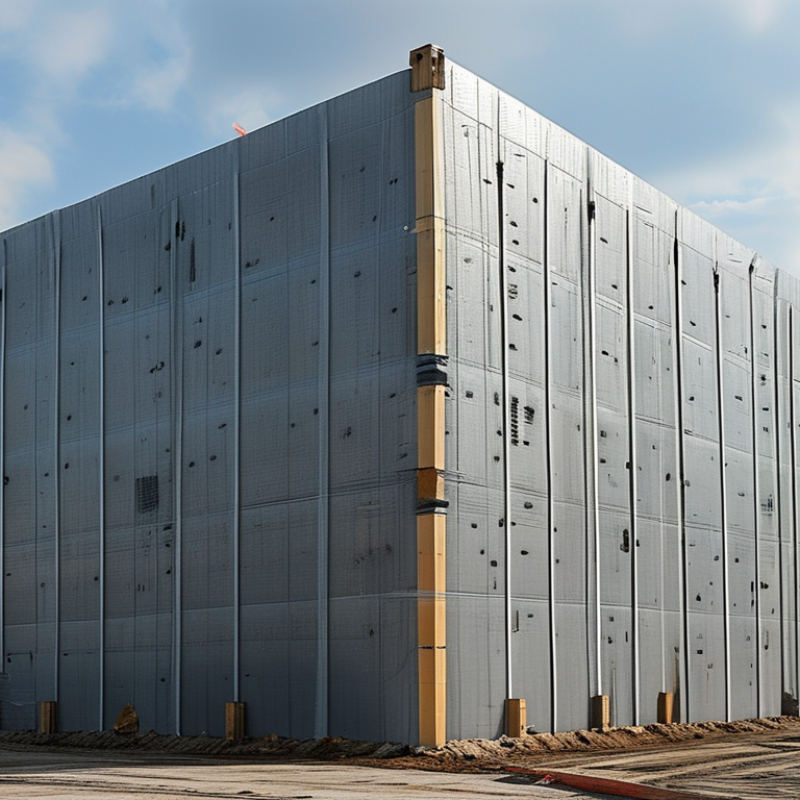
What is Polyurethane (Pu) Foam Filler?
Polyurethane (PU) foam filler is a versatile material used in construction and DIY projects. This filler expands upon application, filling gaps and sealing spaces effectively. Its unique properties make it an excellent choice for insulation and soundproofing. The foam adheres well to various surfaces, adding durability to your projects.
Tips: When using PU foam, ensure that the surfaces are clean and dry. This will help the foam bond better. Also, wear gloves to protect your skin from contact. The expanding nature of the foam can be tricky, so apply it gradually and allow it to cure completely.
Another key feature of PU foam is its resistance to moisture and mold. This quality makes it suitable for outdoor applications as well. However, caution is necessary when applying it in enclosed spaces. Proper ventilation is crucial to avoid inhaling fumes. It’s vital to remember that too much foam can lead to messy projects, so practice patience and precision during application.
Tips: Use a putty knife to trim excess foam after it has dried. This ensures a clean finish. Consider using a mask if you are sensitive to strong odors during application. Reflect on your technique after each project; small adjustments can lead to improved results in future applications.
Key Properties and Characteristics of Pu Foam
PU foam filler, or polyurethane foam, is a versatile material used in various projects. Its key properties include excellent thermal insulation, soundproofing, and a lightweight structure. These characteristics make it ideal for construction, automotive, and even furniture applications. The foam expands upon application, filling voids and gaps effectively. This quality ensures better energy efficiency, which can reduce heating and cooling costs.
One notable aspect of PU foam is its flexibility. It can adapt to different shapes and surfaces. This adaptability is particularly beneficial in irregular spaces. However, improper application can lead to issues like uneven surfaces. Careful preparation and application are essential to avoid these pitfalls. Users should also consider the curing time, as it affects overall performance.
Another important characteristic is durability. PU foam is resistant to moisture and decay, prolonging the lifespan of projects. However, exposure to UV light can degrade its performance over time. It's important to consider protective coatings if the foam will be outdoors. Balancing these properties can lead to more successful and lasting results in various applications.
What is Pu Foam Filler and How Can It Benefit Your Projects? - Key Properties and Characteristics of Pu Foam
| Property | Description |
| Lightweight | PU foam is significantly lighter than many traditional fillers, making it easier to handle. |
| Insulation Properties | Provides excellent thermal insulation, reducing energy costs in buildings. |
| Moisture Resistance | Resists moisture, preventing mold and mildew growth. |
| Versatility | Can be used in various applications, including construction, automotive, and packaging. |
| Adhesive Properties | Forms strong bonds with a variety of materials, improving structural integrity. |
| Ease of Application | Easily applied using various methods such as spraying or pouring. |
Common Applications of Pu Foam Filler in Projects
Pu foam filler has become increasingly popular in various construction and DIY projects. Its versatility allows it to be employed in insulation, soundproofing, and sealing applications. According to the American Society of Home Inspectors, proper sealing can improve energy efficiency by up to 30%. Using PU foam filler not only enhances the durability of structures but also contributes to significant cost savings in the long run.
One common application of PU foam filler is in window and door installations. Its expanding properties enable it to fill gaps, preventing air leakage and minimizing energy costs. In commercial settings, it is often used for soundproofing rooms, as it dampens noise effectively. A report from the International Journal of Engineering Research highlights that PU foam can reduce sound transmission by up to 40%. However, users must be cautious about potential over-expansion, which can lead to structural issues or unsightly finishes.
In roofing applications, PU foam provides excellent insulation against heat and moisture. It forms a waterproof barrier that protects against leaks, extending the lifespan of roofs. Nonetheless, it's essential to apply the foam correctly, as improper handling can lead to wastage and irregular surfaces. Overall, while PU foam filler presents numerous benefits, it requires careful application and expertise to maximize its advantages in projects.
Benefits of PU Foam Filler in Various Applications
Advantages of Using Pu Foam Filler in Construction
PU foam filler is an expanding foam product widely used in construction. Its unique composition allows it to fill gaps and cracks effectively. By expanding upon application, it ensures a tight seal, reducing air leaks and improving insulation. This makes it a great choice for energy efficiency in buildings.
Using PU foam filler comes with numerous advantages. It offers excellent thermal insulation, which can lead to lower energy bills. Additionally, it adheres to various surfaces, making it versatile for multiple applications. The foam is also moisture-resistant, which helps prevent mold and mildew. However, caution is necessary. Improper application can lead to uneven surfaces and difficult removal.
Tips: Make sure to wear protective gear when applying PU foam filler. Always test a small area first to avoid unwanted expansions. Consider the temperature conditions, as they affect the foam's curing process. Understanding these aspects can enhance your project’s outcome significantly.
Installation and Usage Tips for Pu Foam Filler
Pu foam filler is a versatile material. It is commonly used in construction and insulation projects. Its expanding properties help fill gaps and voids effectively. Installation is straightforward, but attention to detail is crucial.
Before application, ensure the surface is clean and dry. According to industry reports, improper surface preparation can lead to adhesive failure. When applying the foam, use safety gear. The chemicals can irritate the skin and eyes. Always wear gloves and goggles to protect yourself.
Here are some tips for effective use. Start with small amounts. The foam expands quickly. Overfilling can lead to uncontrolled expansion. If you notice excess foam, trim it away once cured. Keep in mind that environmental conditions affect curing time. Cooler temperatures may slow down the process.
Always check the manufacturer's recommendations for optimal application conditions.