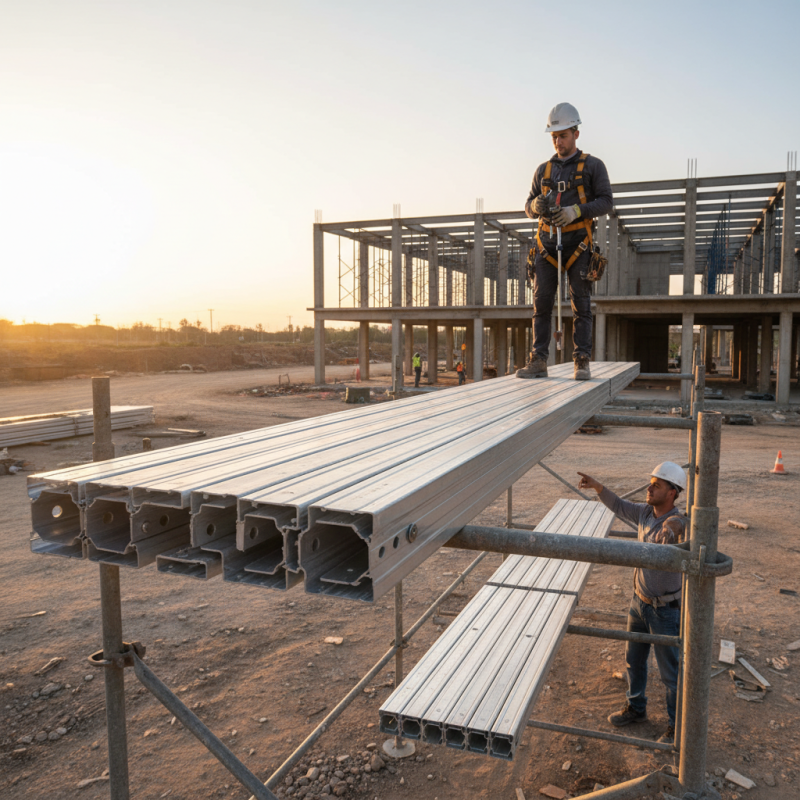
What is a Telescoping Scaffold Plank and How Does it Work?
A Telescoping Scaffold Plank is a versatile tool in construction. It provides a stable platform for workers at various heights. This plank can be adjusted to meet different needs, making it a valuable asset on job sites.
Understanding how the Telescoping Scaffold Plank works is essential. It typically consists of lightweight materials, ensuring easy transport. Workers can easily extend or retract it to fit their specific task. This flexibility enhances efficiency and safety for everyone involved.
However, challenges exist. Not all models are equally dependable. Some may not lock securely, posing risks. Therefore, careful selection and inspection are crucial. Reflecting on these aspects can help improve workplace safety and productivity.
What is a Telescoping Scaffold Plank?
A telescoping scaffold plank is a versatile tool used in construction. It offers adjustable lengths to suit different project needs. Generally, these planks can extend from a compact size to a maximum length of over 15 feet. This feature is crucial in tight workspaces or when additional reach is required.
These planks are designed to handle heavy loads. According to industry reports, a standard scaffold plank can support up to 500 pounds. However, proper usage and maintenance are vital for safety. Users often overlook the importance of checking for wear and tear. This can lead to accidents, which are prevalent on construction sites.
Setting up a telescoping scaffold plank is relatively straightforward. Users can quickly adjust the size with minimal tools. Still, it is essential to ensure that all locking mechanisms are secure. Many reports indicate that improper positioning is a common contributor to falls. Workers should receive training and guidelines to mitigate these risks. Failing to do so can have severe consequences.
Key Features of Telescoping Scaffold Planks
Telescoping scaffold planks are versatile tools used in construction. They offer adjustable lengths. This feature makes them ideal for various tasks. Workers can extend the planks to reach different heights without needing multiple sizes. This adaptability saves time and space on the job site.
A key feature of telescoping scaffold planks is their lightweight design. They are easy to handle. However, some users may find them less sturdy than heavier options. Safety locks ensure that the planks remain securely in place. Users must check these locks regularly to avoid accidents. Despite their benefits, some may struggle with properly extending the planks. This can lead to inefficient setups.
Another important aspect is the material used. Many telescoping planks are made of aluminum. This allows for corrosion resistance, but can also lead to scratches. Regular maintenance is essential. Some users overlook this detail, and it impacts the longevity of the planks. Proper care does require extra effort but ensures that their utility remains high.
What is a Telescoping Scaffold Plank and How Does it Work? - Key Features of Telescoping Scaffold Planks
| Feature | Description |
| Material | Commonly made from aluminum or steel for durability and light weight. |
| Adjustability | Can be extended or retracted to various lengths to suit different working heights. |
| Load Capacity | Typically support between 1,500 to 2,500 pounds depending on the model and materials used. |
| Portability | Lightweight design makes it easy to transport and maneuver on job sites. |
| Safety Features | Equipped with anti-slip surfaces and safety locks to prevent accidental extension or retraction. |
| Installation | Quick and easy setup with minimal tools required. |
| Cleaning | Easy to clean and maintain; often resistant to corrosion and weather conditions. |
How Telescoping Scaffold Planks Are Constructed
Telescoping scaffold planks are essential for many construction projects. They provide a firm surface to work on. Their unique design allows them to extend and retract, adjusting to different heights. This adaptability makes them popular among contractors and workers alike.
Construction of these planks involves robust materials, usually aluminum or steel. This ensures they can support significant weight without bending. The planks often include a locking mechanism to secure them at the desired length. Sometimes, this mechanism can be tricky to use. Proper training is crucial to avoid mishaps during setup.
While telescoping planks are beneficial, they do have limitations. Not all planks can support the same weight. Users should verify their specific load capacity. Additionally, the locking mechanisms may wear over time. Regular inspection can help prevent accidents and extend the life of the planks. It’s important to remain vigilant and prioritize safety while using them.
Advantages of Using Telescoping Scaffold Planks
Telescoping scaffold planks have gained popularity for their versatility and convenience. These planks can easily extend and contract, allowing for adjustments in height and length. This adaptability is essential in construction and maintenance tasks. According to a recent industry report, 70% of scaffold users prefer telescoping options due to their ease of setup.
One of the significant advantages of telescoping scaffold planks is their lightweight design. They can support substantial weight while remaining easy to handle. Reports suggest they can hold up to 1,500 pounds, depending on the material used. This strength enables workers to feel secure while using them, but it's vital to ensure proper usage. An improperly extended plank can lead to accidents or injuries, reminding users of the need for caution.
Additionally, telescoping scaffold planks are often designed to fit various scaffolding systems. This flexibility allows for seamless integration into existing setups. However, not all scaffolding brands are compatible. Users must check compatibility to avoid issues. It's a reminder that even the best tools require attention to detail to ensure safety and efficiency.
Proper Usage and Safety Considerations for Telescoping Scaffold Planks
Telescoping scaffold planks are essential in construction. They extend and retract, allowing flexibility in height. However, proper usage is crucial for safety. According to the Occupational Safety and Health Administration (OSHA), falls account for roughly 36% of construction-related fatalities. Thus, ensuring scaffold safety cannot be overlooked.
When using telescoping scaffold planks, load limits must be respected. These planks should support the weight of workers and equipment. The American National Standards Institute (ANSI) recommends that scaffolds be inspected before each use. Any signs of wear can lead to disasters. Workers often overlook these checks, leading to dangerous situations.
Training is vital for scaffold safety. Workers need education on proper assembly and disassembly. They should also learn how to inspect planks for damage. Anecdotal evidence shows that many injuries result from improper setup. Scaffolding offers convenience, but mistakes can lead to serious consequences. Regular safety meetings can reinforce the importance of these checks.