Top 5 Landscaping Rock Options for Your Garden Design?
Landscaping Rock plays a crucial role in garden design. According to the American Society of Landscape Architects, rocky materials have seen a 15% increase in usage over the past decade. This rise reflects a growing trend towards sustainable and aesthetically pleasing outdoor spaces.
Selecting the right type of landscaping rock can transform your garden. Options range from smooth river stones to rugged boulders, each offering unique advantages. For instance, decorative gravel can create pathways or borders, enhancing visual appeal. However, choices aren’t always straightforward.
Many homeowners struggle with the balance between function and beauty. Guidelines in a recent industry report suggest considering both climate and maintenance when choosing landscaping rock. Each type influences how your garden thrives. Thus, a well-informed decision can foster a vibrant and enduring landscape.
Types of Landscaping Rocks: An Overview for Garden Designers
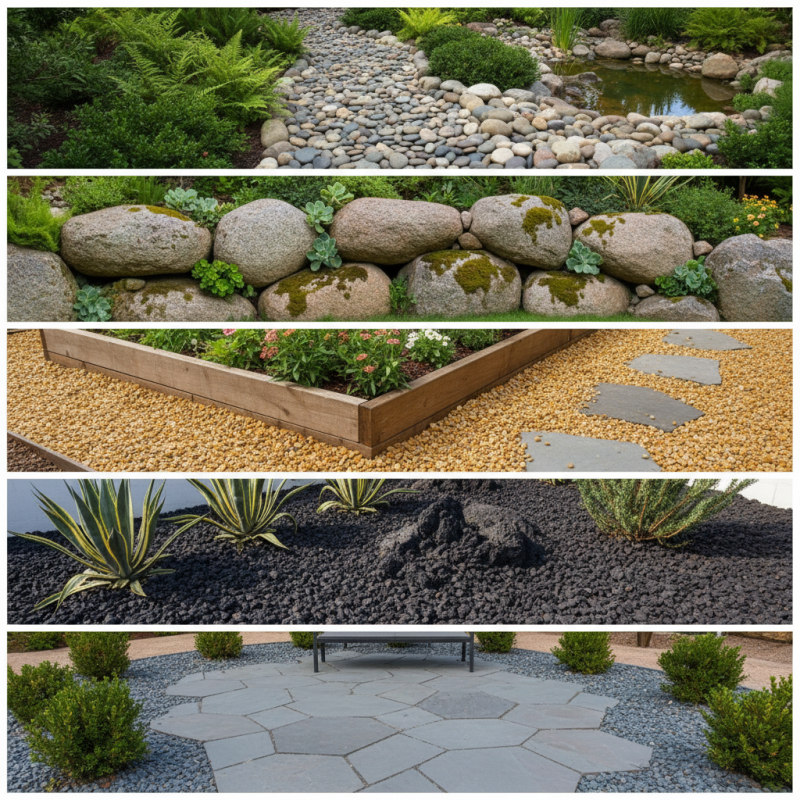
When designing a garden, choosing the right landscaping rocks is essential. Various types of landscaping rocks can enhance your garden's aesthetic. These rocks vary in texture, color, and size, allowing for creative flexibility. Here are some common choices.
River rocks are smooth and round. They come in different sizes, perfect for pathways. They blend well with plants and enhance natural areas. Granite rocks are sturdy and come in various colors. They add a rugged look to gardens. Use them as accents or borders.
Lava rocks are lightweight and porous. They are great for drainage and bring a unique look to the garden. Pebbles offer versatility and can be used in different designs. Their small size is ideal for ground cover or decorative accents.
**Tips:** Consider the climate when choosing rocks. Some materials may not withstand extreme temperatures well. Also, think about the maintenance. Certain rocks might need regular cleaning to look their best.
Mixing different types of rocks can create visual interest. However, balance is key. Too many types may clutter the design. Experiment with various combinations to find what works for you.
Top 5 Landscaping Rock Options for Your Garden Design
| Rock Type | Color Options | Best Uses | Size Varieties | Cost per Ton |
|---|---|---|---|---|
| River Rock | Varieties of browns, grays, and tans | Landscaping beds, pathways, water features | 1"-3" diameter | $150 - $300 |
| Granite Chips | Gray, pink, white | Mulching, decorative borders | 1/4" to 1/2" size | $100 - $200 |
| Slate | Blue, green, purple | Walkways, patios | Varied sizes, typically 1"-2" | $200 - $400 |
| Lava Rock | Red, black | Dry river beds, decorative gardens | 1", 2", 3" sizes | $120 - $250 |
| Crushed Stone | Gray, white | Driveways, paths, base for patios | 1/2" to 3/4" size | $50 - $150 |
How to Choose the Right Landscaping Rock for Your Garden Aesthetic
Choosing the right landscaping rock can elevate your garden's aesthetic. Think about the overall theme of your space. Different rocks offer unique colors, textures, and sizes. Take time to visualize how each option fits your design. Don’t rush this decision; a little patience pays off.
Tips: Consider the climate. Some rocks retain heat, which might not work for all plants. Also, think about maintenance. Larger rocks may require less upkeep but can be harder to move if you change your mind.
Natural stones, gravel, and decorative pebbles create different effects. Natural stones provide a rustic feel, while pebbles offer a polished look. But remember, a mix can sometimes be more visually appealing. Be wary of overloading one area with too many materials. Balance is key, even if it feels difficult to achieve.
Tips: Take samples home. Seeing the rocks in your garden light helps. Experiment with a few placements too. It will help you decide what looks right.
Benefits of Using Rocks in Garden Designs: Functional and Decorative
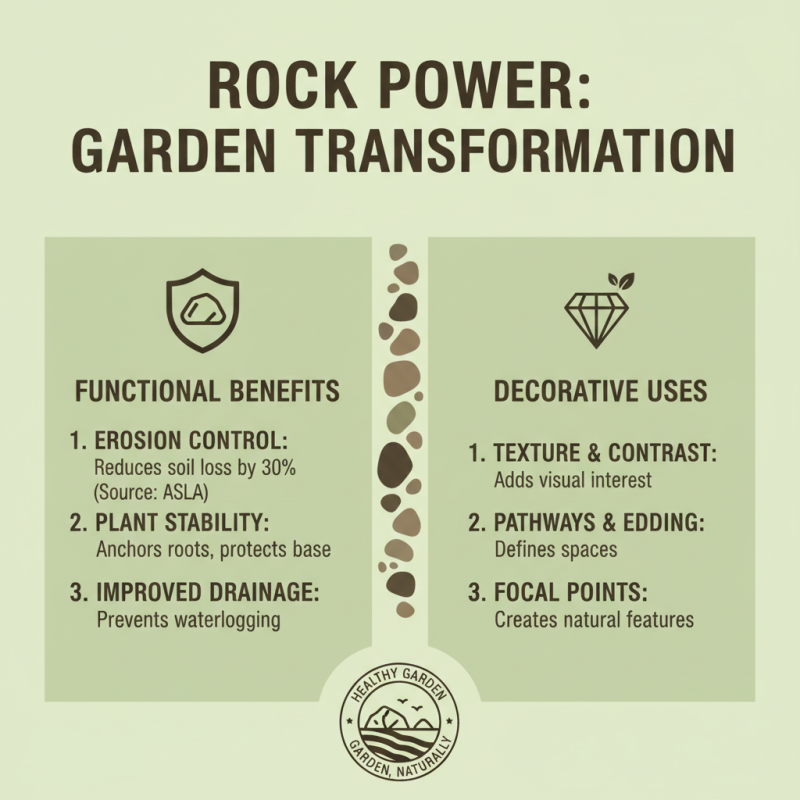
Rocks can transform your garden in many ways. They serve both functional and decorative purposes. A study from the American Society of Landscape Architects emphasizes that using rocks can reduce soil erosion by up to 30%. This keeps plants stable and healthy while promoting drainage.
Consider different types of rocks. River stones add a smooth finish and blend well with greenery. Crushed stone is great for pathways and can control weed growth. Decorative boulders can act as focal points. Their presence can break the monotony of plants and bring texture to your design.
**Tip:** Choose rocks that match your garden’s theme. Think about colors and sizes. This harmony creates a visually appealing scene. Evaluate sunlight and water distribution too. Some rocks retain heat, which can affect nearby plants. Balance is key for a thriving garden. Don’t be afraid to mix and match options to discover what works best for your space.
Key Considerations for Installing Landscaping Rocks Effectively
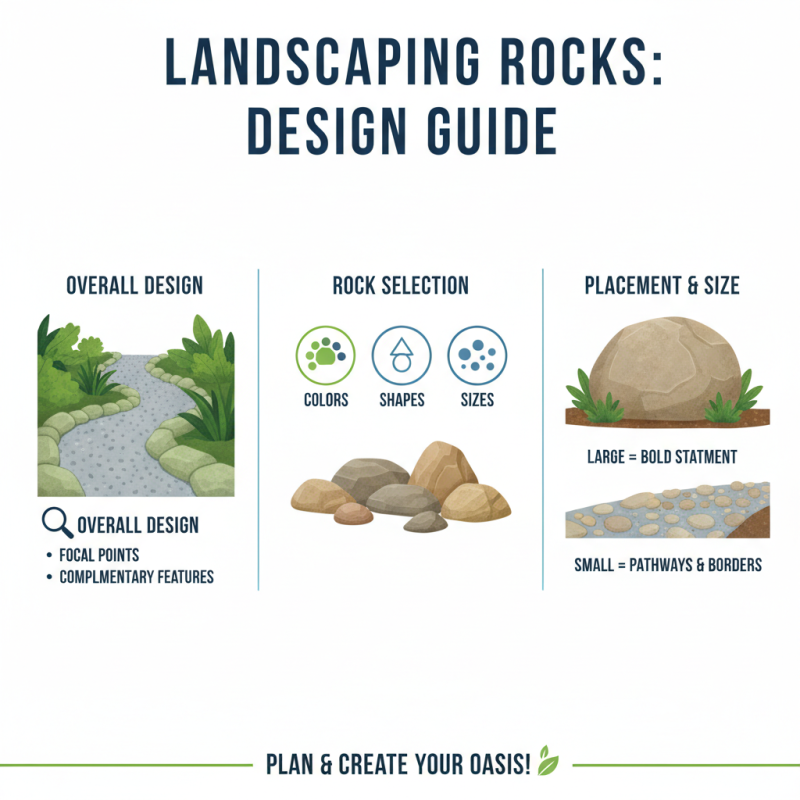
When installing landscaping rocks, consider the overall design of your garden. Rocks can serve as focal points or complementary features. Think about the colors, shapes, and sizes of the rocks. Larger stones create a bold statement. Smaller pebbles work well in pathways.
Placement matters significantly. Arrange rocks in groups for a natural look. Avoid straight lines; they can seem artificial. Consider drainage too. Proper placement of rocks can help with water flow. This prevents erosion and helps plants thrive.
Don't forget maintenance. Rocks require less upkeep than plants. However, they can degrade over time. Look for cracks or fading colors. Regular inspections will keep your landscape fresh. Remember, garden designs evolve. What looks good today may need adjustments tomorrow.
Maintenance Tips for Keeping Your Landscaping Rocks Looking Great
Landscaping rocks can enhance garden designs significantly, but they require maintenance to remain attractive. Regular cleaning is essential. Dust and debris can accumulate, dulling their appearance. It is advisable to spray the rocks with water every few weeks. A gentle scrub can help remove tougher stains.
Consider using a mix of rock types for visual interest. However, different rocks can respond differently to weather. Some may fade faster under sunlight. According to a survey by the American Society of Landscape Architects, over 40% of homeowners prioritize aesthetics in landscaping choices. Choosing rocks that are resistant to fading can help maintain that beautiful look longer.
Weed growth around rocks can detract from their appeal. Regular weeding is crucial. Mulching around the rocks can deter some weeds, but it might not eliminate them all. Moreover, using a barrier fabric may help but might not support the overall drainage. A careful balance is needed; too much effort can lead to frustration. Adjustments may be necessary based on seasonal changes. These reflections remind us that maintaining a landscape is an ongoing process, not a one-time effort.
Top 5 Landscaping Rock Options for Your Garden Design
Related Posts
-
Ultimate Guide to Choosing the Perfect Decorative Rock for Your Landscaping Needs
-
How to Choose the Perfect Decorative Rock for Your Landscape Design
-
Decorative Rock Trends at the 2025 China 138th Import and Export Fair Insights and Analysis
-
Best 10 Decorative Rocks For Landscaping Ideas To Transform Your Garden
-
Exploring Innovative Uses for Best Decorative Rock in 2025 Trends and Techniques
-
Unleashing the Power of Chinese Manufacturing in Best Landscaping Rock Solutions