Top 10 PU Sandwich Panel Suppliers for Global Buyers
Choosing a PU Sandwich Panel supplier is not just a price comparison. For global buyers, the right partner must deliver consistent panel quality, clear technical documentation, dependable lead times, and support that continues after shipment. A panel may look uniform on a sample. The real test comes later, when core density, metal facing, joint fit, and installation details meet project conditions.
This guide compares ten suppliers through practical buying criteria: product range, customization, production capacity, quality controls, export experience, and communication. Buyers should verify specifications against their own design requirements, including panel thickness, facing material, insulation performance, and fire-test documentation. Ask for current technical data, not just a polished brochure. Check sample edges and lock profiles. Confirm packaging, delivery terms, and how claims are handled. Small details matter.
Expert quotations need careful sourcing. Since no verifiable PU sandwich panel expert statement was supplied, this introduction does not assign an invented quotation to a named person. That restraint matters. Supplier rankings can guide research, but they cannot replace project-specific checks or independent verification. A shortlist is a starting point, not a final decision.
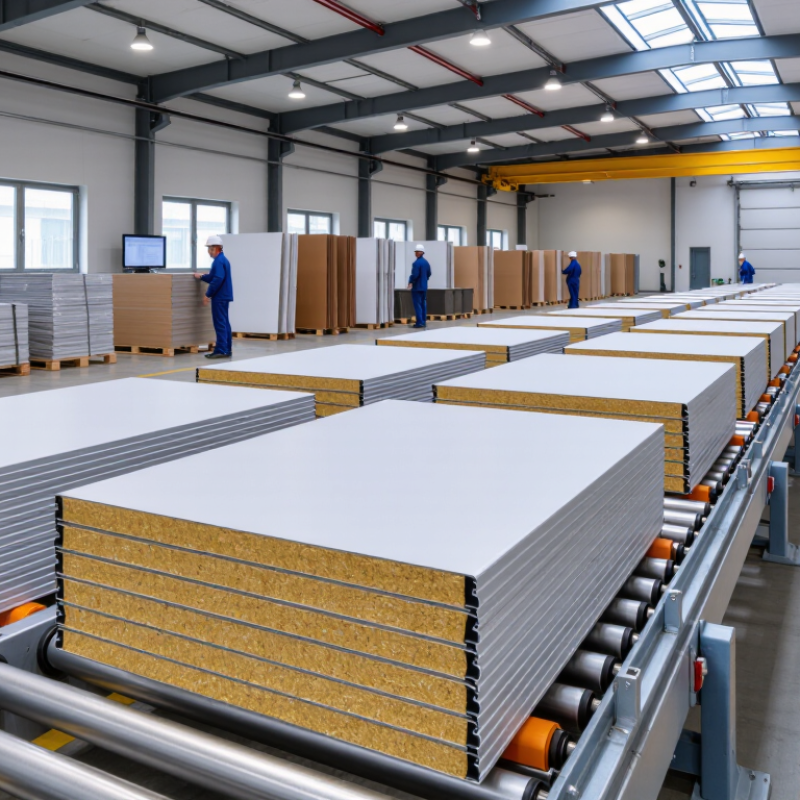
What PU Sandwich Panels Are and How They Are Used
PU sandwich panels are prefabricated building elements with a rigid polyurethane insulation core between two protective facings, often coated steel. The layers work together: the facings provide a durable surface, while the core slows heat transfer. Panel thickness, joint design, and installation quality all affect real-world performance. That matters.
These panels are commonly used for exterior walls and roofs in warehouses, workshops, agricultural buildings, and temperature-controlled rooms. In a cold room, for example, well-fitted panels help limit heat entering through walls and ceilings. At a distribution center, they can support faster enclosure of large spaces. They are also available in different profiles and finishes to suit building layouts and practical cleaning needs.
Good results depend on more than the panel itself. Installers need to align edges, seal joints, and detail openings around doors, pipes, and corners. Small gaps matter. Moisture can collect where warm, humid air reaches a cold surface, so ventilation and vapor-control details deserve attention. Fire performance, structural loads, and local project requirements should be checked against technical documentation. A panel may look neat from the floor, yet hidden joint defects can reduce its effectiveness. PU panels are useful, but they are not a substitute for careful design or workmanship.
Criteria for Selecting a PU Sandwich Panel Supplier
Choosing a PU sandwich panel supplier starts with technical fit, not a polished catalogue. Confirm panel thickness, core density, facing material, and stated thermal conductivity against project drawings. Ask how tolerances are checked across production batches. A sample can reveal more than a specification sheet: inspect cut edges, bond consistency, and whether joints close without force. Small details matter. Request current test reports for the exact panel construction, including relevant fire and thermal performance data. Reports should identify the tested thickness and facings; results from a different build may not apply.
Also assess production capacity, lead times, packing methods, and the supplier’s process for handling defects. Ask for references from projects with similar climates and installation needs, then verify what those references can confirm. If possible, review the factory’s quality records or arrange an independent inspection. Do not compare prices alone. A low quote may exclude protective wrapping or careful loading, which can leave panels dented at delivery. Even a capable supplier can make mistakes; the useful question is how issues are documented and corrected. I would weigh clear answers and consistent records more heavily than confident sales language. Some checks take time, but skipping them can be costly.
Top 10 PU Sandwich Panel Suppliers for Global Buyers
Choosing among the top 10 PU sandwich panel suppliers requires more than comparing price lists. Buyers should match panel thickness, core density, facing material, and joint design to the building’s use. A cold-storage wall, for example, may need tighter joints and stronger thermal performance than a basic partition. Ask for current product data, test reports, and clear explanations of how performance was measured. Check that documents cover the exact panel configuration being quoted.
Supply capability matters too. Confirm available panel lengths, production lead times, export packaging, and replacement-part support. Ask how the supplier protects panel edges during transport; a dented corner can complicate installation. Clarify delivery terms and who handles damage claims before placing an order. Samples help, but one small sample cannot prove consistency across a full shipment. I learned that the hard way. Compare written specifications, not just polished sales images, and leave room for questions that feel inconvenient.
Tips: Request a sample joint detail and inspect its fit. Verify that certificates match the proposed thickness and facing. Record agreed tolerances in the purchase documents.
Comparing Suppliers by Products, Certifications, and Markets
A useful comparison of ten PU sandwich panel suppliers starts with the panel, not the sales brochure. Check core thickness, declared thermal conductivity, steel facing, joint geometry, and available panel lengths. These details affect heat loss, installation speed, and the number of joints exposed to weather. The IEA’s 2023 Global Status Report for Buildings and Construction estimates that buildings and construction account for 34% of global energy demand and 37% of energy- and process-related CO₂ emissions. Insulation performance deserves close scrutiny. A low quoted U-value means little unless its test method and panel configuration are clear.
Certifications help buyers compare suppliers, but they answer different questions. EN 14509 addresses self-supporting, double-skin metal-faced insulating panels; ISO 9001 concerns quality-management systems, not product performance. Ask for current test reports, fire classifications for the specified assembly, and traceable batch documentation. Then compare delivery coverage, export packing, technical support, and experience with your climate and building type. Cold-storage projects need dependable joint details; coastal sites need suitable corrosion protection. Small differences matter. A tidy comparison table can still miss installation limits or local approval requirements. I would verify those before ranking suppliers, even when the paperwork looks complete.