Why Choose a Shoe Stretcher Tree for Your Business?
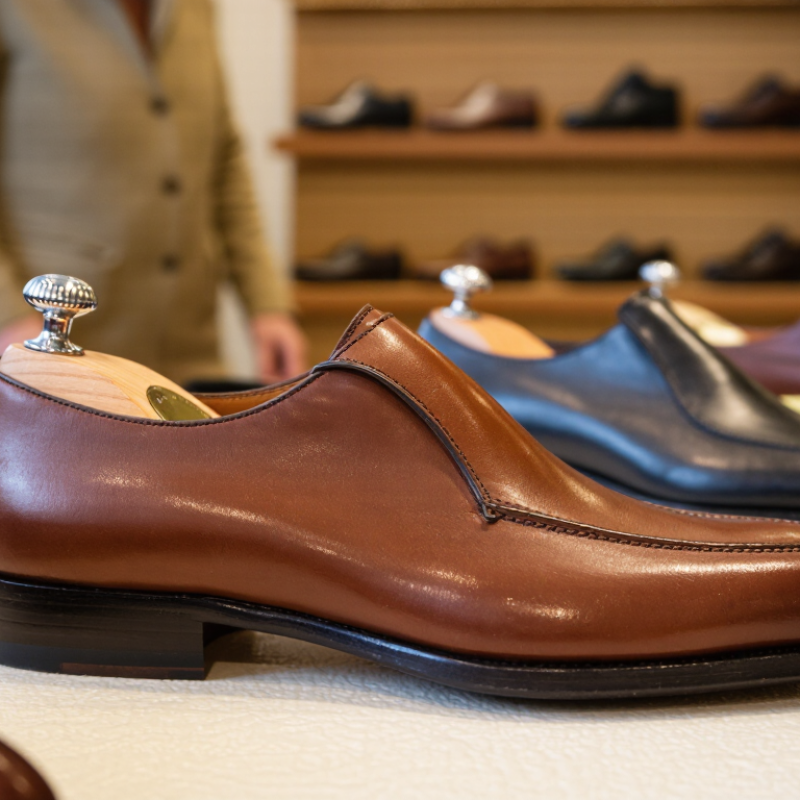
A Shoe Stretcher Tree can help a retailer offer customers a practical solution for tight-fitting footwear. For a business, it is more than a display accessory. It can support after-sale service, complement shoe-care products, and give staff a useful option when customers report pressure across the toe box or instep. The right fit matters.
A well-made tree should adjust gradually, feel stable in the shoe, and use smooth surfaces that are less likely to mark the lining. Materials and construction also shape the customer experience. A wooden handle feels different from plastic; a turning knob should move without catching. Small details count. Staff should explain that stretching results vary by shoe material, construction, and the amount of adjustment. Overstretching can damage footwear, so restraint belongs in the conversation.
An expert quotation needs a verifiable source. No article or source material was provided, so attributing a statement to a named shoe-stretcher specialist would risk inventing a claim. That deserves a pause. A business can still build trust by sharing clear product specifications, care instructions, and realistic expectations. When selecting a Shoe Stretcher Tree, consider durability, adjustability, ease of use, and whether the design suits the types of shoes your customers actually bring in. A useful tool should solve a real problem, not promise a perfect fit for every pair.
How the 6.67 mm Paris Point Defines European Shoe-Size Steps
For a footwear business, a shoe stretcher tree is most useful when it addresses pressure in a specific area, not when it is treated as a substitute for correct sizing. European size steps are often explained through the Paris point: one point equals two-thirds of a centimetre, or about 6.67 mm. ISO 19407:2015 provides conversion guidance between footwear sizing systems, while ISO 9407:2019 describes the Mondopoint system using foot length in millimetres. These standards help staff explain size differences with measurable terms.
A 6.67 mm step is small on paper, but it can affect toe clearance and fit across a row of sizes. It is a sizing interval, not a guarantee that every foot will feel the same in the same size. Shoe shape, upper material, and width matter too. The calculation is neat; real feet are not. Use a stretcher tree for gradual, localized adjustment, and check the result rather than assuming the shoe has gained a full size.
Tips: Record the customer’s usual size and the pressure point. Stretch in small increments, then reassess the fit. Avoid promising a precise size increase; material response varies.
Why Choose a Shoe Stretcher Tree for Your Business?
How the 6.67 mm Paris Point Defines European Shoe-Size Steps
Each European size step represents one Paris point, or approximately 6.67 mm of last length. This reference helps businesses compare adjacent sizes when planning shoe-stretcher coverage. Actual lasts and fit can vary by shoe design and manufacturer.
What Brannock Measurements Reveal About Heel-to-Toe and Heel-to-Ball Fit
Brannock measurements answer two questions: how long is the foot, and where does its ball joint sit? Heel-to-toe length estimates the space needed from the back of the heel to the longest toe. Heel-to-ball length locates the foot’s widest joint area. The readings can differ. That matters.
When heel-to-toe size seems correct but the ball joint sits too far forward, the shoe may crease in the wrong place or pinch across the forefoot. Fitters compare both readings and check that the ball of the foot aligns with the shoe’s widest point. Sizing systems vary, so measurements are a guide, not a verdict. Socks, instep height, and foot shape still affect comfort.
For a business, a shoe stretcher tree can help relieve localized pressure after the length and fit have been checked. Adjust it gradually, then reassess the same spot; forcing a quick stretch can distort the upper. Some materials yield little. And a stretcher cannot add meaningful length or move a shoe’s flex point. That is an easy detail to overlook when a customer says the shoe feels “just a little tight.”
Which Shoe Materials and Pressure Points Can a Stretcher Address?
A shoe stretcher works best on materials that can flex gradually. Natural leather usually responds well to gentle, steady pressure. Suede may also stretch, but excessive force can flatten its nap or leave visible marks. Canvas can give slightly, though results vary with its weave and construction. Coated synthetics, patent finishes, and rigid plastics may resist stretching or crease instead. Check the shoe’s care guidance before applying pressure.
The tool can target common tight spots, including the sides of the forefoot and the toe box. A bunion plug can focus pressure near one specific area, while a two-way stretcher can gently widen the shoe. Some designs include an instep attachment, but not every model supports that adjustment. Stretching generally creates modest extra room; it will not reliably fix a shoe that is too short or badly shaped for the foot.
Go slowly. Insert the stretcher, make a small adjustment, and leave it in place for several hours before checking the fit. Small changes matter. Too much pressure may split a seam, distort the toe, or leave a bulge. Results can be uneven, and I would not treat every tight shoe as a good candidate. For delicate materials or persistent discomfort, a cobbler can assess the shoe before further stretching.
How Two-Way Stretching Targets Local Width and Length Adjustments
Why Choose a Shoe Stretcher Tree for Your Business?
A two-way shoe stretcher tree can adjust length and width in the same shoe. This matters when pressure comes from a specific spot, not the whole upper. For example, a customer may feel pinching across the ball of the foot but also tightness near the toes. Turn the width and length controls gradually, checking how the shoe responds after each small adjustment. Small changes are easier to assess. A large turn can stretch more than intended.
In practice, the goal is targeted relief, not a dramatically larger shoe. A stretcher tree may help ease mild tightness in suitable leather footwear, but results depend on the material, construction, and fit issue. It cannot correct every sizing problem. Some synthetic uppers may respond poorly, and seams or delicate details need care. Leave the tree in place for a measured period, then test the shoe before repeating. That extra check can feel slow, but it helps avoid over-stretching.
Tips: Mark the tight area before adjustment. Use a shoe stretching solution only if it is compatible with the material. Make small turns, wait, and reassess. If the shoe feels strained or develops creases, stop and consult an experienced shoe professional.
Why Reusable Shoe Stretchers Add Value to Retail and Repair Services
Why Choose a Shoe Stretcher Tree for Your Business?
Reusable shoe stretchers can add practical value to retail shops and repair services. A customer with a tight forefoot may not need a different pair; gradual stretching could improve comfort. Adjustable models let staff target areas such as the toe box or sides. The tool can be used again, helping spread its cost across multiple jobs. Small changes matter. Stretching is not a fix for every fit problem, though, and results depend on the shoe’s material and construction.
Tips: Check the care label and inspect the shoe before stretching. Set the stretcher gently, then leave it in place for a short period. Recheck the fit before making another adjustment. Go slowly. Avoid forcing stiff seams or delicate materials, and follow the tool’s instructions.
For service teams, a reusable stretcher can support a more considered fitting conversation. Staff can explain what may improve and what probably will not. This builds trust, even when the honest answer is that the shoe cannot be safely stretched enough. Keep a simple record of settings and outcomes for common styles; it may help staff work consistently, though no two pairs behave exactly alike.