What is Wpc Decking Floor Benefits and Applications?
Wpc Decking Floor has gained significant popularity in recent years, positioning itself as a favorable choice for outdoor spaces. According to a market research report by Allied Market Research, the global market for WPC decking is expected to reach USD 3.2 billion by 2027, highlighting its increasing acceptance in both residential and commercial applications. WPC, or wood-plastic composite, combines the natural aesthetic of wood with the durability of plastic, offering a unique option for homeowners and builders alike.
The benefits of WPC decking floor extend beyond just aesthetics. It is resistant to moisture, insects, and rot, making it an ideal material for various climates and environments. A report from Grand View Research states that WPC decking can last up to 25 years with proper care, which appeals to consumers seeking long-term solutions. However, it is vital to consider that not all WPC products are created equal, and some may face issues such as fading or warping over time.
As the construction industry evolves, WPC decking applications are diversifying. It is used for patios, walkways, and pool decks, transforming landscapes while remaining low-maintenance. Despite its many advantages, potential buyers should remain cautious and research products thoroughly. Understanding both the promising and challenging aspects of WPC decking floor is crucial for making informed decisions.
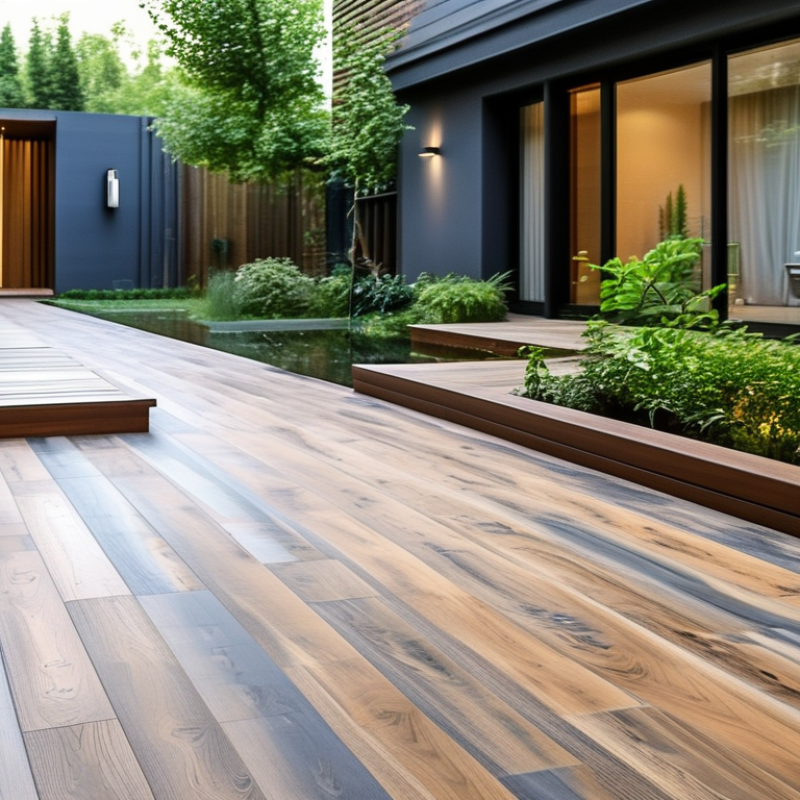
What is WPC Decking?
WPC decking, or Wood Plastic Composite decking, has gained popularity for its blend of natural wood fibers and recycled plastic. This innovative material offers exceptional durability. In fact, studies indicate that WPC decking can last up to 25 years with minimal maintenance. Unlike traditional wood, it resists splintering, warping, and fading. This resilience makes it a favorite for outdoor projects.
The versatility of WPC decking allows for various applications. Homeowners frequently use it for patios, decks, and around swimming pools. Its slip-resistant surface enhances safety, particularly in wet conditions. Additionally, the environmental aspect cannot be ignored. Reports show that WPC decking uses about 50% recycled materials, appealing to eco-conscious consumers.
However, there are some flaws to consider. While WPC provides significant benefits, it can be more expensive upfront than traditional wood options. Over time, the costs may balance out with reduced maintenance and replacement needs. It's essential to weigh these factors carefully when choosing decking materials. The decision should focus on long-term value and practicality, reflecting individual priorities and lifestyle needs.
Key Benefits of WPC Decking Floors
WPC decking floors, or wood-plastic composites, offer unique benefits for various applications. In recent years, this material has gained popularity due to its durability and low maintenance requirements. According to the Synthetic Wood Group, WPC decking can last up to 25 years, outperforming traditional wood in longevity. It resists rot, splintering, and insect damage, making it ideal for outdoor installations.
One major advantage of WPC decking is its environmental impact. A report by the Sustainable Materials Coalition states that WPC uses recycled materials, which significantly reduces waste in landfills. This sustainability appeal resonates with eco-conscious consumers. Furthermore, WPC decking is often designed to mimic the look of natural wood, providing aesthetic variety without the environmental drawbacks.
However, it is essential to consider the potential downsides. Some users report that WPC decking can be prone to fading over time, especially in high UV exposure areas. Additionally, while the initial cost may be higher, the long-term savings in maintenance can offset this. A recent survey indicated that 70% of homeowners would choose WPC decking again for its durability and aesthetic appeal. Balancing these factors can lead to a more informed choice for decking materials.
Common Applications of WPC Decking
WPC (Wood Plastic Composite) decking is gaining popularity for various applications due to its durability and aesthetic appeal. Homeowners often choose WPC decking for patios, decks, and outdoor spaces. Its resistance to moisture and insects makes it an excellent choice for coastal environments. This material can withstand harsh weather conditions without warping or splintering. Many homeowners appreciate the low maintenance it requires compared to traditional wood.
In commercial settings, WPC decking is frequently used in boardwalks, parks, and pool areas. Its slip-resistant surface enhances safety, especially around water. Restaurants and cafes opt for WPC decking to create inviting outdoor spaces for customers.
However, while WPC offers many benefits, some users report fading over time. This could lead to uneven color, which may not appeal to everyone. Finding a balance between aesthetics and practicality is crucial for long-term satisfaction with this material.
Comparison with Traditional Decking Materials
WPC decking, made from wood-plastic composites, offers unique advantages over traditional materials like wood and composite decking. It combines the best of both worlds—durability from plastic and the natural look of wood. Unlike wood, WPC is resistant to rot, moisture, and insects. This makes it perfect for outdoor settings. Its long lifespan also means less frequent replacement.
When compared to traditional materials, WPC decking is easier to maintain. There’s no need for regular staining or sealing. A simple soap-and-water clean usually does the trick. However, it can be more expensive upfront. Some people might hesitate to invest in WPC due to the initial cost. Over time, savings from maintenance could offset this.
**Tip**: Consider climate factors when choosing materials. In humid areas, WPC may outperform wood due to its moisture resistance.
Furthermore, WPC decking can have limited color choices compared to painted wood. Some users may feel restricted in design options. It’s crucial to weigh the aesthetic desires against functional benefits.
**Tip**: Test a small section before full installation. This allows you to experience the feel and appearance firsthand.
Maintenance and Care for WPC Decking
WPC decking is an innovative flooring solution that combines wood fibers and plastic. While it offers durability and aesthetic appeal, proper maintenance is crucial for longevity and performance. Reports indicate that WPC can last over 25 years when cared for correctly. Regular cleaning helps prevent stains and mold, which can degrade its appearance.
To maintain WPC decking, use a soft-bristle broom or a blower to remove debris. A mild soap solution works well for cleaning; avoid harsh chemicals. Experts recommend cleaning at least twice a year. If you live in high-traffic areas, more frequent cleaning may be necessary.
Tip: Test any cleaning solution on a small area first. This step ensures no adverse reaction occurs. Even with its resilience, WPC can scratch under heavy pressure. Consider using protective pads under furniture. Protecting your investment through simple care can lead to lasting enjoyment and functionality.
WPC Decking Floor Benefits and Applications
WPC decking offers numerous benefits such as durability, low maintenance, eco-friendliness, aesthetic appeal, and weather resistance, making it an excellent choice for outdoor flooring solutions.