What is Decorative Gravel and How to Choose the Right Type?
Decorative Gravel is an essential element in landscaping. It adds beauty and functionality to gardens, walkways, and driveways. Choosing the right type is crucial for your project’s success. There are various options, each with unique characteristics.
Many people overlook the importance of quality when selecting Decorative Gravel. Not all gravel types work well for every purpose. Some are better for drainage, while others enhance visual appeal. Understanding these differences can lead to more satisfying results.
Think about how the gravel will complement your overall design. Consider factors like color, size, and texture. A well-chosen Decorative Gravel can elevate your outdoor space. However, if chosen poorly, it may detract from your landscaping efforts. So, take the time to make an informed decision. It's worth the effort.
What is Decorative Gravel?
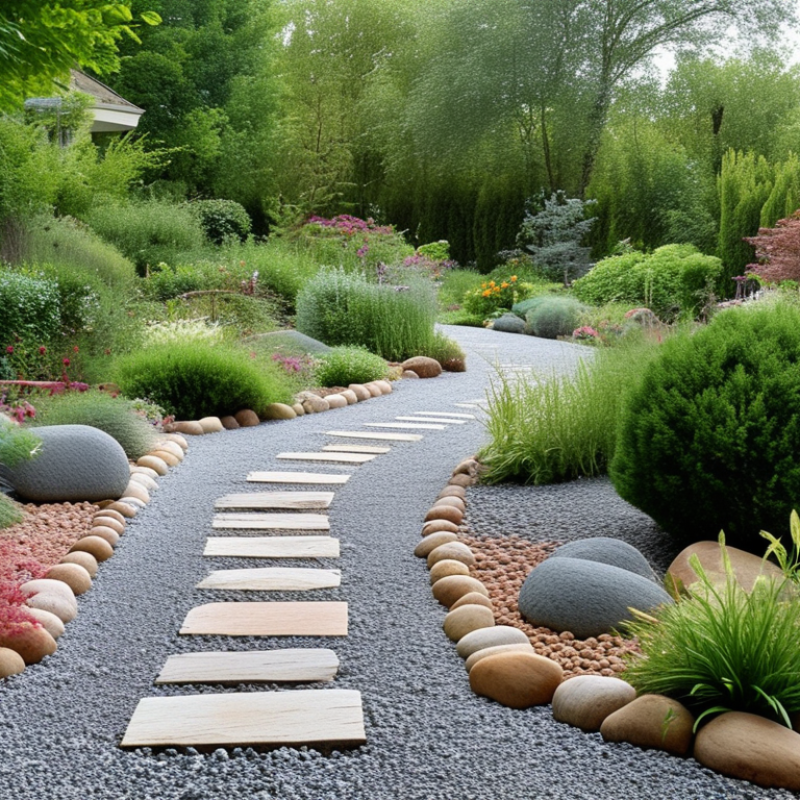
Decorative gravel is an essential landscaping element that adds both beauty and function to outdoor spaces. This versatile material comes in various shapes, sizes, and colors, making it suitable for gardens, pathways, and driveways. Decorative gravel can enhance the aesthetics of a property while providing practical solutions for drainage and weed control. Different types of gravel are available, each offering unique characteristics that cater to specific design needs.
When selecting decorative gravel, consider the application and desired look. For instance, larger stones work well for driveways, while finer gravel fits better around plants. The color and texture of the gravel can dramatically change the setting. Light-colored gravel can brighten a space, while darker tones create a more dramatic effect. However, choosing the right type of decorative gravel can be complex. A mismatch between the gravel and your landscape design might detract from the overall appeal. Reflect on the intended feel of your outdoor area to avoid common pitfalls.
It's essential to factor in maintenance when choosing gravel. Some types require more upkeep than others. For instance, a fine gravel may shift more easily and require regular replenishment. Additionally, consider how the gravel will coexist with surrounding vegetation. You aim for harmony without overpowering the landscape. Each decision contributes to the overall ambiance, and addressing these considerations leads to a more cohesive outdoor space.
Types of Decorative Gravel Available
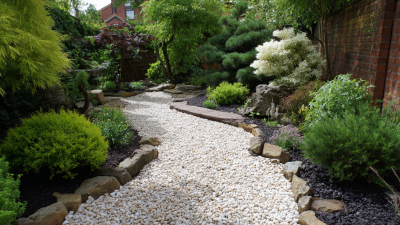
When selecting decorative gravel, it is essential to consider the various types available. Each type serves different purposes and aesthetic preferences. For example, crushed stone is popular for pathways and driveways. Its jagged edges ensure stability and reduce shifting. Pea gravel, with its smooth texture, works well in walkways and gardens, offering a softer look.
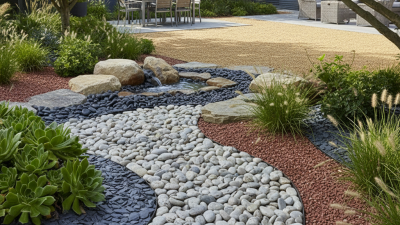
Another noteworthy type is decorative granite. It comes in various colors and sizes, making it versatile for landscaping projects. It can enhance the look of flower beds or serve as a ground cover. River rock, on the other hand, provides a natural look. Its rounded surfaces and earthy tones make it ideal for water features or borders.
While choosing decorative gravel, one should consider the overall landscape design. Not every type will fit seamlessly into your vision. Sometimes, mixing different gravels can create unique textures. However, this requires careful planning. The color palette, size, and texture should complement the existing elements. Reflecting on these aspects will help you create an attractive and functional outdoor space.
Factors to Consider When Choosing Decorative Gravel
When selecting decorative gravel, several critical factors come into play. The type of gravel can dramatically influence aesthetics and functionality. For instance, larger stones often create a more rustic look, while finer gravel offers a sleeker appearance. According to a report by the National Stone, Sand & Gravel Association, decorative gravel can improve drainage capacities in landscaping projects, making it practical as well as visually appealing.
Consider the color and texture of the gravel. Light-colored aggregates can enhance sunlight while darker options absorb heat. A study from the American Society of Landscape Architects highlights that the right choice of gravel can increase property value by up to 15%. Choosing gravel that complements your existing landscape is essential to achieving a harmonious look.
For a successful gravel selection, think about the project’s purpose. Is it for a pathway, a garden bed, or an aesthetic feature? Understanding the functional aspect will guide your choice. Aim for a size that suits your needs—smaller pieces tend to settle well, but larger aggregates can create a striking focal point. Ensure that the chosen gravel stays consistent with your landscape theme while reflecting your personal style. Remember, gravel might easily show wear over time, so consider maintenance in your decision-making process.
Decorative Gravel Types and Their Average Cost
Best Uses for Decorative Gravel in Landscaping
Decorative gravel is a versatile material in landscaping, offering aesthetic appeal and functional benefits. It is widely used in pathways, patios, and garden beds. One popular application is creating a visually striking ground cover. According to the National Association of Landscape Professionals, gravel can reduce the need for irrigation by up to 50%, making it a sustainable choice.
Using decorative gravel in landscaping helps with drainage. Proper drainage prevents water accumulation, protecting plant roots from rot. The American Society of Landscape Architects reports that a well-placed gravel layer can help maintain soil health by promoting air circulation. Gravel is effective in erosion control, serving as a barrier to soil displacement in sloped areas.
Selecting the right type of gravel is crucial. For paths, a finer texture may provide a smoother walking surface. In contrast, larger stones are better for driveways, offering strength and stability. Color and size play a significant role in design aesthetics. Choosing the wrong type can lead to issues like uneven surfaces or visual clutter. Observing local ecosystem conditions can aid in making these choices, ensuring that the selected gravel complements the surrounding environment effectively.
Maintenance Tips for Decorative Gravel Surfaces
Maintaining decorative gravel surfaces requires regular attention to keep them looking their best. Experts suggest that proper maintenance can extend the lifespan of gravel by several years. According to the National Landscape Association, 60% of home and garden professionals believe that regular upkeep significantly enhances the aesthetic appeal of gravel installations.
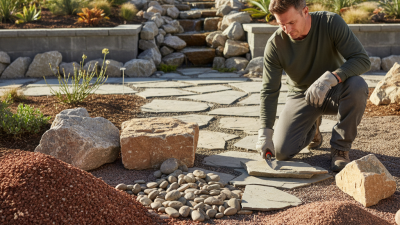
One essential maintenance practice is regular raking. This helps level out the surface and prevents uneven spots. Additionally, at least once or twice a year, it's beneficial to remove weeds and unwanted plants to maintain the design's integrity. Using a landscape fabric beneath the gravel can minimize weed growth over time, making maintenance more manageable.
Cleaning gravel surfaces is another vital aspect. Seasonal cleaning prevents the buildup of dirt, leaves, and debris. A thorough wash with a pressure washer can rejuvenate the surface. Experts recommend focusing on high-traffic areas that tend to get compacted. If compaction occurs, consider replenishing the gravel to ensure a fresh, inviting look. It's crucial to remain vigilant, as neglecting maintenance can lead to costly repairs in the future.