
What Is Landscaping Gravel and Which Type Is Best?
Landscaping Gravel is a broad name for loose stone used to shape paths, beds, and outdoor living areas. It ranges from fine decomposed granite to rounded river rock and angular crushed stone. Each type behaves differently underfoot and in changing weather. A gravel path that feels firm in a dry garden may shift after heavy rain. Small details matter.
Choosing the right stone depends on how you will use the space, not just its color. Crushed gravel often locks together better for walkways, while smooth pebbles can suit decorative beds but may roll underfoot. Consider drainage, local climate, maintenance, and the look of nearby materials. Also check the stone’s size and source before ordering; photos can make similar products appear more alike than they are. A sample beside your paving or planting can prevent an expensive mismatch.
Good preparation matters as much as the gravel itself. A stable base, suitable edging, and thoughtful grading can help limit spreading and puddles. Weed-control fabric may reduce some growth, but it does not remove the need for upkeep. There is no single best option for every yard. This guide explains what Landscaping Gravel is, compares common types, and helps you weigh practical trade-offs before choosing. Even careful plans sometimes need adjustment once stone meets soil, sunlight, and daily foot traffic.
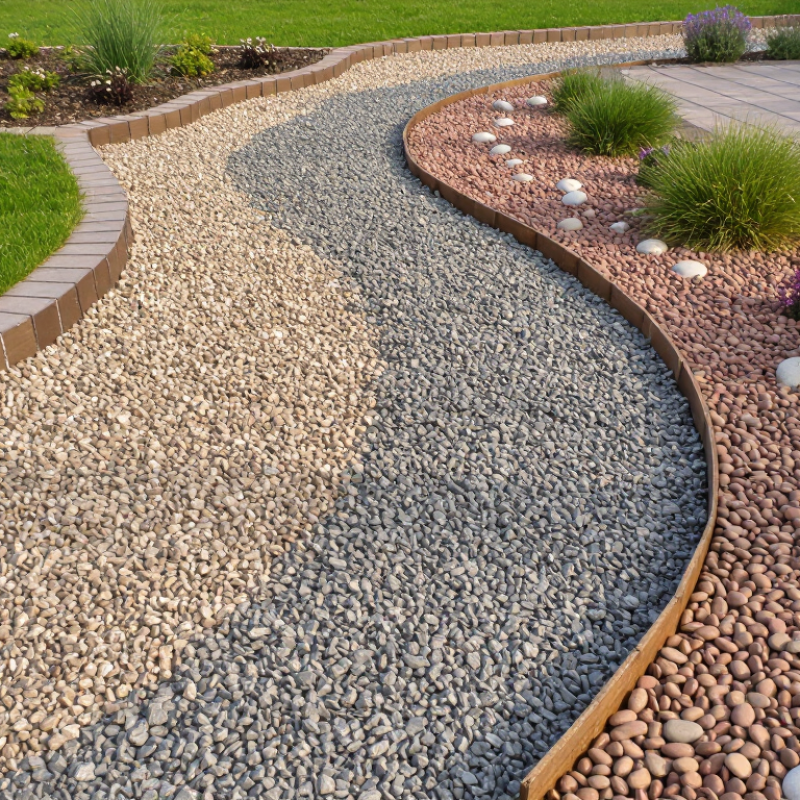
What Landscaping Gravel Is and How It Is Defined
Landscaping gravel is a loose layer of stone used to shape outdoor spaces. The term describes a practical category, not one specific rock. Pieces may be rounded or angular, and their size, color, and mineral makeup vary. Some gravel is crushed from larger stone; other material is naturally worn by water. Those differences affect how it looks and behaves underfoot.
Small stones can fill narrow joints or create a fine-textured path. Larger pieces may suit borders, drainage areas, or places where a coarse surface is useful. Gravel is not the same as soil: it has little capacity to support plant roots on its own. Nor does every stone layer drain well; compacted fines can slow water movement. Feel a sample in your hand. Notice its edges. A rounded pebble shifts easily, while angular pieces often lock together more firmly. Even so, I would not judge a material by appearance alone. The right definition depends on its intended use, local conditions, and the actual stone supplied. A bag label may leave details unclear, so checking particle size and composition is worthwhile.
How Gravel Types Differ by Material, Size, and Shape
Landscaping gravel differs in material, size, and shape. Crushed granite and limestone have sharp edges that knit together underfoot, making them useful for paths and parking areas. Rounded river rock and pea gravel feel softer, but shift more easily on slopes. Limestone can also influence soil chemistry, so check local conditions before placing it near acid-loving plants.
Size matters. Fine screenings create a compact surface, while pieces around 3/8 inch suit many walking paths. Larger stones show more texture but can feel awkward underfoot. The USGS 2024 Mineral Commodity Summaries estimated U.S. construction sand and gravel production at about 960 million short tons in 2023, valued at $12.5 billion. That figure reflects broad construction use, not a landscaping prescription. Still, it shows why aggregate grading and supply deserve attention. “Small” is not a precise specification; suppliers may grade materials differently.
Tips: Ask for the actual size range, not just “pea gravel” or “road base.” Pour a sample over the site and walk on it. Notice whether stones roll, compact, or catch shoes. I once chose a color before testing drainage. That was a poor shortcut. For dependable comparison, request a product specification and check it against ASTM aggregate terminology where applicable.
Common Landscaping Gravel Types and Their Uses
Landscaping gravel includes several stone types, each suited to different jobs. Pea gravel has small, rounded pieces that feel comfortable underfoot. It works well around patios and in informal paths, but it can shift and scatter. Crushed stone has sharp edges that lock together, making it a steadier choice for walkways and driveways. Decomposed granite compacts into a firm, natural-looking surface. River rock, with its smooth, larger stones, is better for decorative beds and drainage channels than for regular walking.
Match the gravel to how the area will be used. For a path, consider crushed stone or compacted decomposed granite; for a planting bed, pea gravel or river rock can add texture and help limit muddy spots. Gravel does not stop every weed, and small stones can mix into soil over time. That part is easy to underestimate.
Tips: Check the stone size at a local supplier before ordering. A handful tells you more than a photo. Prepare a stable base, and consider landscape fabric where suitable. Keep gravel clear of doorways and drains, where loose pieces can collect.
How to Choose the Best Gravel for Your Landscape
Choosing landscaping gravel starts with how the area will be used. For a footpath, angular, compactable stone usually stays underfoot better than smooth, rounded pebbles. Around plants, coarser gravel can reduce muddy splash, but it will not fix poorly drained soil. For a seating area, test a small patch before ordering: stones that look attractive in a sample may shift or feel unstable across a larger surface. A tidy sample can mislead.
Match stone size to the job and the site. Smaller gravel creates a firmer walking surface when compacted; larger pieces leave more gaps and can drain freely, but may be harder to walk on. Check local rainfall, slope, and soil, too. Water should move away from foundations, not collect beneath the stone. Small details matter. A defined edge helps keep gravel out of lawns and planting beds.
Supply and grading matter as well. The U.S. Geological Survey estimated that 960 million tons of construction sand and gravel were produced in the United States in 2023 (Mineral Commodity Summaries 2024). That broad category includes many grades, so ask suppliers for the actual size range and whether the material is washed or mixed with fines. Compare samples in daylight, and consider maintenance: pale stone can show dirt, while loose gravel may need occasional raking. That is not trivial.
What Is Landscaping Gravel and Which Type Is Best?
Compare common nominal stone sizes to help match gravel to your project.
Pea gravel is a smaller option for paths and decorative areas; ¾-inch crushed stone is a versatile choice for paths and ground cover; larger drainage stone is often used where water needs to flow through. These are representative nominal sizes—actual grading varies by supplier. Choose based on the intended use, drainage, and desired appearance.
How to Prepare and Install Landscaping Gravel
Landscaping gravel works best when the ground beneath it is stable and drains properly. USGS’s 2024 Mineral Commodity Summaries estimated about 960 million tons of U.S. construction sand and gravel production in 2023. That scale reflects how widely aggregates are used, but it does not make every gravel type suitable for every yard. Before digging, check for buried utilities and decide where rainwater should flow. Remove sod, roots, and loose soil, then grade the area gently away from buildings. Compact soft spots. I would not treat one excavation depth as universal; clay, slopes, and foot traffic change what the site needs. Check after rain.
For a garden path, excavate roughly four inches, then install permeable geotextile if soil and gravel need separation. Add a compactable crushed-stone base in shallow lifts, dampening and tamping each layer. Keep the surface level, but preserve the planned drainage slope. Fit edge restraints before spreading the finish gravel. A two-inch top layer often suits paths; rounded pea gravel feels comfortable but shifts underfoot, while angular stone locks together better. Rake it evenly and keep it below paving edges. For vehicle areas, use a deeper, engineered base rather than copying a path detail. The preparation matters. A beautiful top layer can still rut if the subgrade stays wet or the base is poorly compacted.
What Is Landscaping Gravel and Which Type Is Best? - How to Prepare and Install Landscaping Gravel
Landscaping gravel is loose natural or crushed stone used for paths, beds, drainage, and other outdoor surfaces. The best choice depends on how the area will be used, the desired appearance, local drainage, and the amount of maintenance you are prepared to do.
| Type | Typical Appearance and Size | Best Uses | Advantages | Considerations | Typical Surface Depth |
|---|---|---|---|---|---|
| Crushed stone | Angular pieces; commonly sold in graded sizes such as 3/8 in or 3/4 in (about 10 or 19 mm). | Paths, utility areas, and driveway surfaces when paired with a suitable compacted base. | Angular faces interlock better than rounded stones, creating a relatively stable surface. | Can feel rough underfoot. Smaller pieces may shift, while larger pieces can be uncomfortable to walk on. | About 2–3 in (5–8 cm) for many paths; driveway designs often need a deeper, compacted base beneath the surface layer. |
| Pea gravel | Small, smooth, rounded stones, commonly around 1/8–3/8 in (3–10 mm). | Decorative beds, lightly used paths, and areas where a softer stone appearance is desired. | Comfortable to walk on and available in a range of natural colors. | Rounded stones move underfoot and are difficult to keep in place on slopes; edging helps contain them. | About 2–3 in (5–8 cm), adjusted to suit the site and intended use. |
| River rock | Smooth, rounded stones, often larger than pea gravel; size varies widely. | Dry creek beds, drainage features, and decorative accents. | Durable and visually distinctive; larger stones are less easily scattered. | Large pieces are unsuitable for comfortable walking and may not lock together like angular stone. | About 2–4 in (5–10 cm), depending on stone size and design. |
| Decomposed granite | Fine, weathered granite particles, sometimes sold with stabilizing fines; texture ranges from sandy to gritty. | Garden paths, patios, and informal walkways. | Can form a relatively firm surface when installed and compacted correctly. | May erode or become dusty in heavy rain or dry conditions; drainage, compaction, and product composition matter. | Often installed in compacted lifts totaling about 2–4 in (5–10 cm); follow the supplier's specifications. |
| Lava rock | Lightweight, porous, angular rock, commonly sold in small to medium sizes. | Decorative planting beds and lightweight ground cover. | Distinctive color and relatively low weight; porous surfaces can hold some moisture. | Can be sharp, may shift, and may not suit high-traffic paths or areas where a smooth finish is needed. | About 2–3 in (5–8 cm) for ground cover, depending on particle size. |
| Crushed stone fines | Very small crushed particles, often mixed with stone dust. | Compactable path surfaces or as a component of a stone base. | Fine particles can fill voids and compact into a firmer surface. | May hold more water than open-graded stone; drainage performance depends on the soil and mix. | Use in compacted layers as specified for the product and project. |
Choosing a type: Angular crushed stone is often a practical option for a stable path. Pea gravel is better suited to decorative areas where some movement is acceptable. River rock works well for drainage features and accents, while compactable decomposed granite can suit informal paths. These are general guidelines, not a substitute for assessing local soil, slope, drainage, or traffic.
| Step | What to Do | Practical Guidance |
|---|---|---|
| 1. Plan the area | Mark the edges and decide how the finished surface will meet paths, lawns, beds, and structures. | Plan for water to drain away from buildings. Check for buried utilities before digging. |
| 2. Calculate material | Measure the area and choose a finished gravel depth appropriate to the stone and use. | Estimate volume as area × depth. Convert depth to the same units as the area before calculating; order a little extra for uneven ground and settling. |
| 3. Excavate and grade | Remove vegetation and loose topsoil, then shape and level the subgrade. | Excavation depth depends on the planned gravel depth and any base layer. Maintain a gentle grade where needed to direct surface water away from structures. |
| 4. Compact the subgrade | Firm the exposed soil before adding stone. | Soft or wet soil can lead to ruts and uneven settling. Improve the base or wait for suitable conditions if the soil is unstable. |
| 5. Install edging | Fit edging along boundaries where gravel needs to be contained. | Edging is especially useful with rounded gravel and near lawns or planting beds. |
| 6. Add a base if needed | For driveways or heavily used paths, place and compact an appropriate base material before the finish gravel. | Base thickness depends on soil strength, drainage, and expected loads. Compact the material in layers rather than placing one deep, loose layer. |
| 7. Lay the gravel | Spread the selected gravel evenly to the planned depth. | For compactable materials, follow product instructions and compact in lifts. Loose decorative stone generally should not be compacted as if it were a road base. |
| 8. Finish and maintain | Rake the surface, check drainage, and replenish or redistribute stone as needed. | Occasional raking, weed removal, and topping up may be needed. Gravel is not weed-proof; weed growth can occur from seeds that settle on the surface. |
Fabric and drainage: Landscape fabric is optional and does not eliminate weeds. It may help separate gravel from soil in some applications, but can complicate future maintenance and does not replace proper grading or a suitable base. Choose materials and installation details for the site's drainage conditions.
Related Posts
-
10 Best Decorative Rock Ideas for Your Landscape Design?
-
How to Choose Decorative Rock for Landscaping?
-
China's Excellence in Landscaping Gravel: Crafting Quality that Commands Global Respect
-
How to Choose Landscaping Gravel in 2026?
-

Top Concrete Specialties Manufacturers in China
-

What Is the Best Decorative Gravel Supplier in China?
